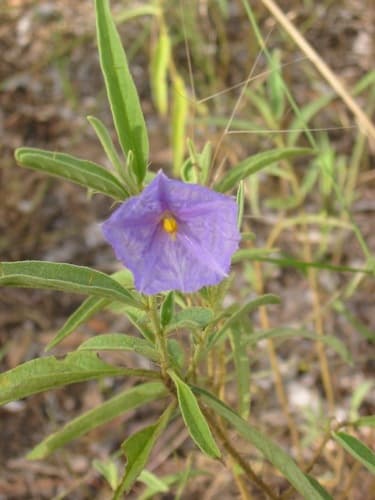
Indian Privet
NameIndian Privet
Scientific NameClerodendrum inerme
Common NamesIndian Privet, Seaside Clerodendrum, Sorcerers Bush, Wild Jasmine
Plant FamilyLamiaceae
Natural HabitatNative to coastal areas, mangroves, and sandy beaches across tropical and subtropical Asia, Africa, and Australia.
Parts Usedleaf,root,bark
Medicinal Actionsanti-inflammatory, analgesic, antimicrobial, antioxidant
Traditional UsesTraditionally used in Ayurvedic and other traditional medicine systems for treating fever, rheumatism, skin diseases, coughs, and colds. The leaves are often crushed and applied as a poultice for swellings, pain, and various skin ailments. It is also used internally for its anti-inflammatory properties.
Active ConstituentsFlavonoids, Triterpenes, Steroids, Phenylethanoid glycosides
Preparation Methodsinfusion, decoction, poultice, powder
Contraindications & WarningsLimited scientific data on contraindications. As with any herbal remedy, pregnant or nursing women and individuals with pre-existing medical conditions should consult a healthcare professional before use.
Cultivation NotesThis hardy shrub thrives in full sun to partial shade and is highly tolerant of salt spray and various soil types, including sandy or saline conditions. It is relatively low-maintenance and can be easily propagated from seeds or stem cuttings. Ideal for coastal landscaping or as a hedge.
Raritycommon
Description
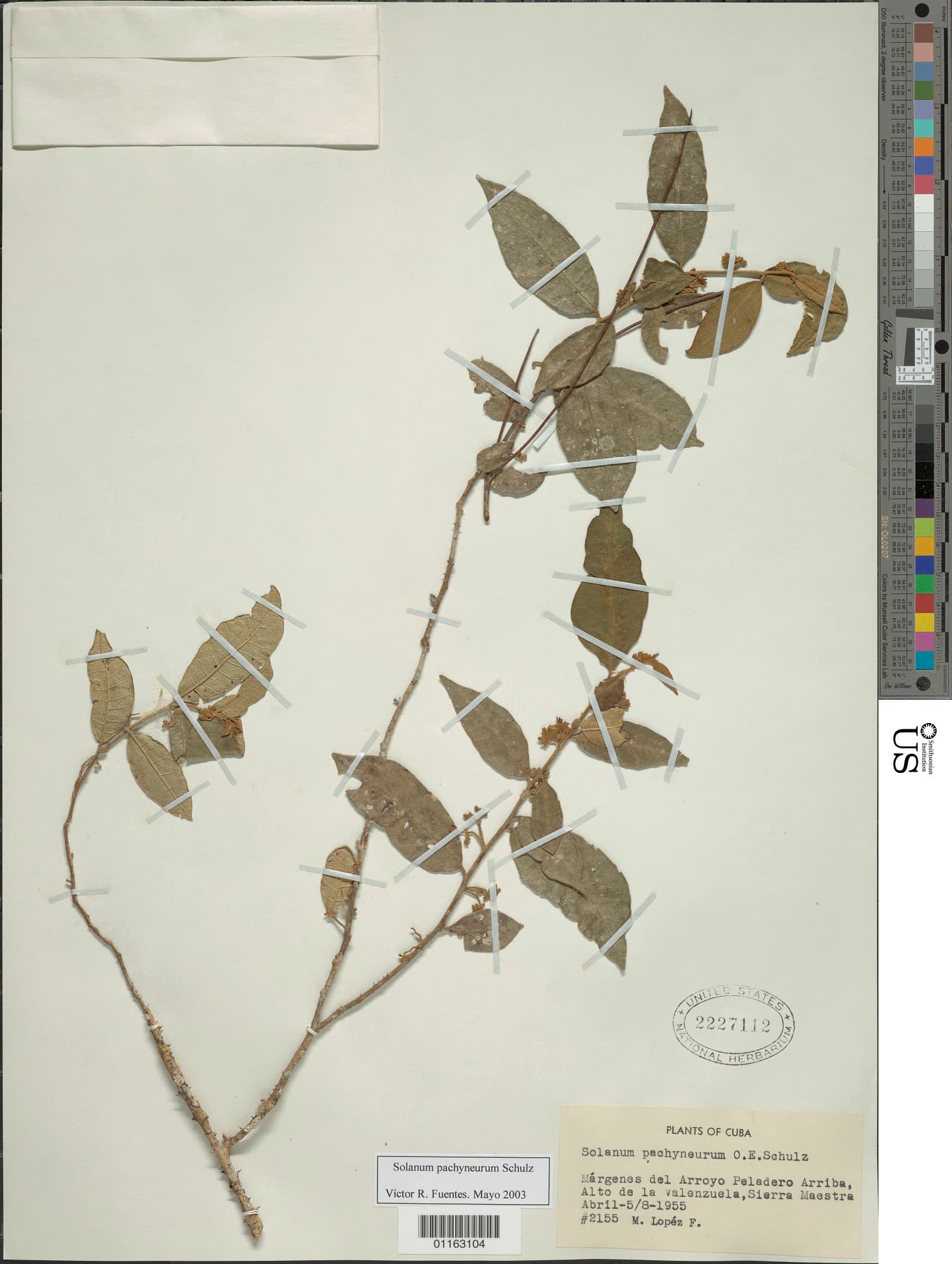
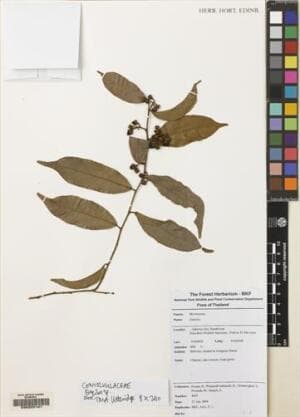
A sprawling or erect shrub, often found in coastal areas, bearing glossy green leaves and clusters of fragrant white flowers. These distinctive flowers feature long, protruding stamens and pistils, followed by small, dark fruits. It is known for its resilience in saline environments.