Iceland Moss
Image: FloraJenensis (cc-by)
NameIceland Moss
Scientific NameCetraria islandica
Common NamesIceland Moss, Icelandic Moss, Eurasian Iceland-moss
Plant FamilyParmeliaceae
Natural HabitatIt thrives in well-drained, acidic soils, often found in heathlands, tundras, open forests, and mountainous regions across the Northern Hemisphere, particularly in arctic and alpine environments. It can grow on the ground, rocks, or tree stumps.
Parts Usedwhole_plant
Medicinal Actionsdemulcent, expectorant, antimicrobial, anti-inflammatory, antioxidant
Traditional UsesTraditionally used to soothe irritated mucous membranes of the respiratory and digestive tracts, making it effective for coughs, bronchitis, sore throats, and gastritis. It also acts as a bitter tonic to stimulate appetite and aid digestion, and has been used for general debility and as a nutritive food source.
Active ConstituentsPolysaccharides (lichenin, isolichenin), Bitter lichen acids (e.g., fumarprotocetraric acid, protolichesterinic acid, usnic acid), Mucilage, Vitamins, Minerals
Preparation Methodsinfusion, decoction, powder
Contraindications & WarningsHigh doses or prolonged use may cause gastrointestinal irritation due to bitter acids. The mucilage content might interfere with the absorption of other medications if taken concurrently; it's advisable to take it at a different time.
Cultivation NotesIceland Moss is a slow-growing lichen that is not typically cultivated commercially due to its complex symbiotic nature and specific environmental requirements. It is primarily wild-harvested, requiring sustainable practices to prevent over-collection.
Raritycommon
Description
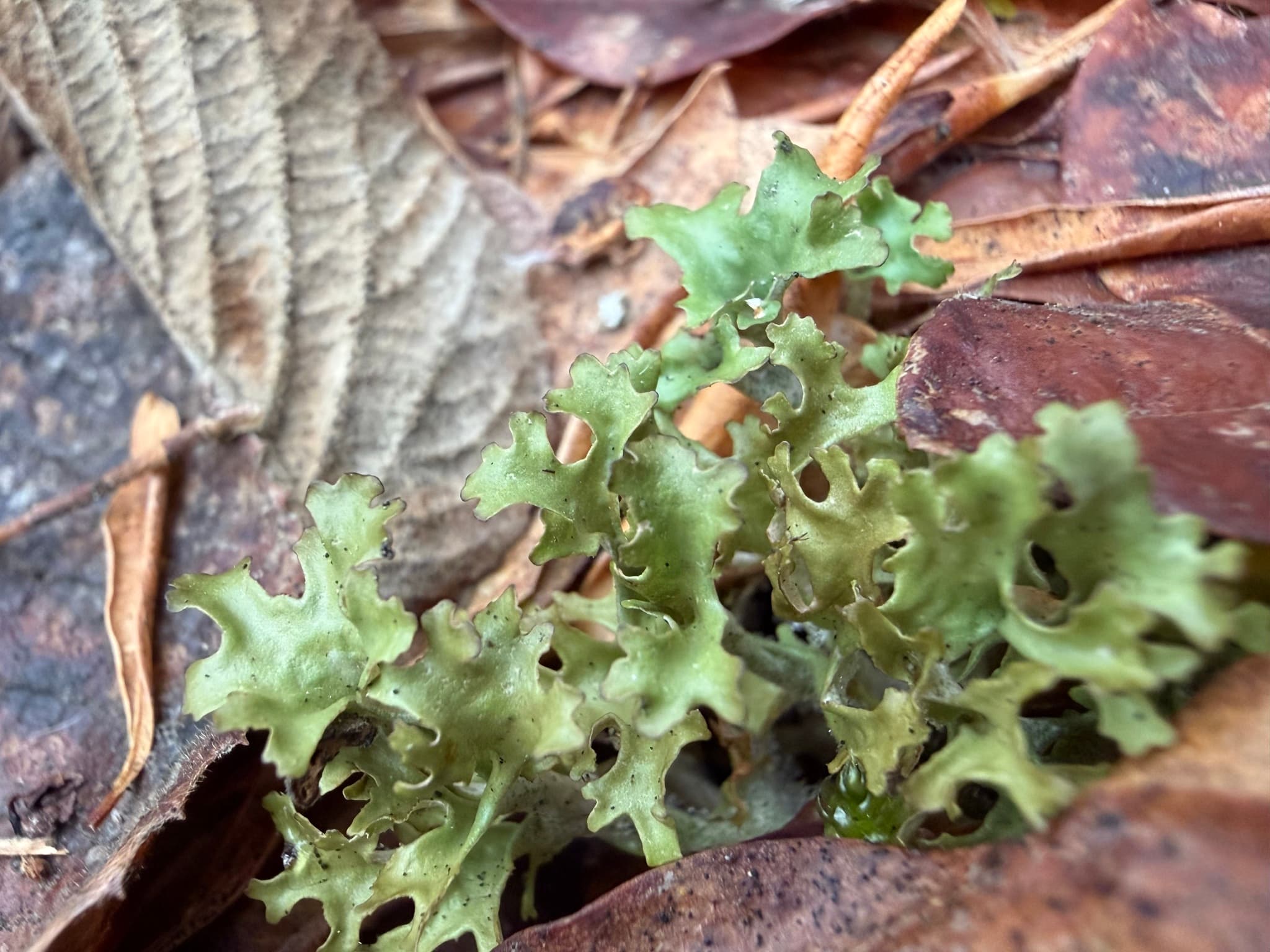
Cetraria islandica is a foliose (leafy) lichen characterized by its branched, strap-like thallus, which is typically greenish-brown to dark brown, often with a paler underside. Its edges are frequently curled and somewhat spiny or ciliate, giving it a distinctive, somewhat leathery texture.