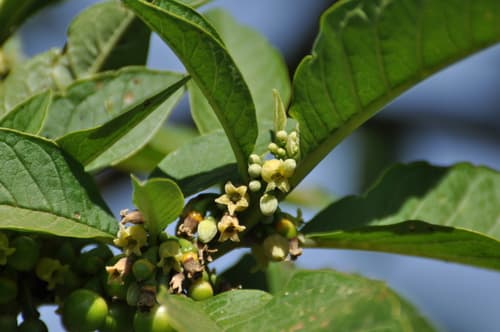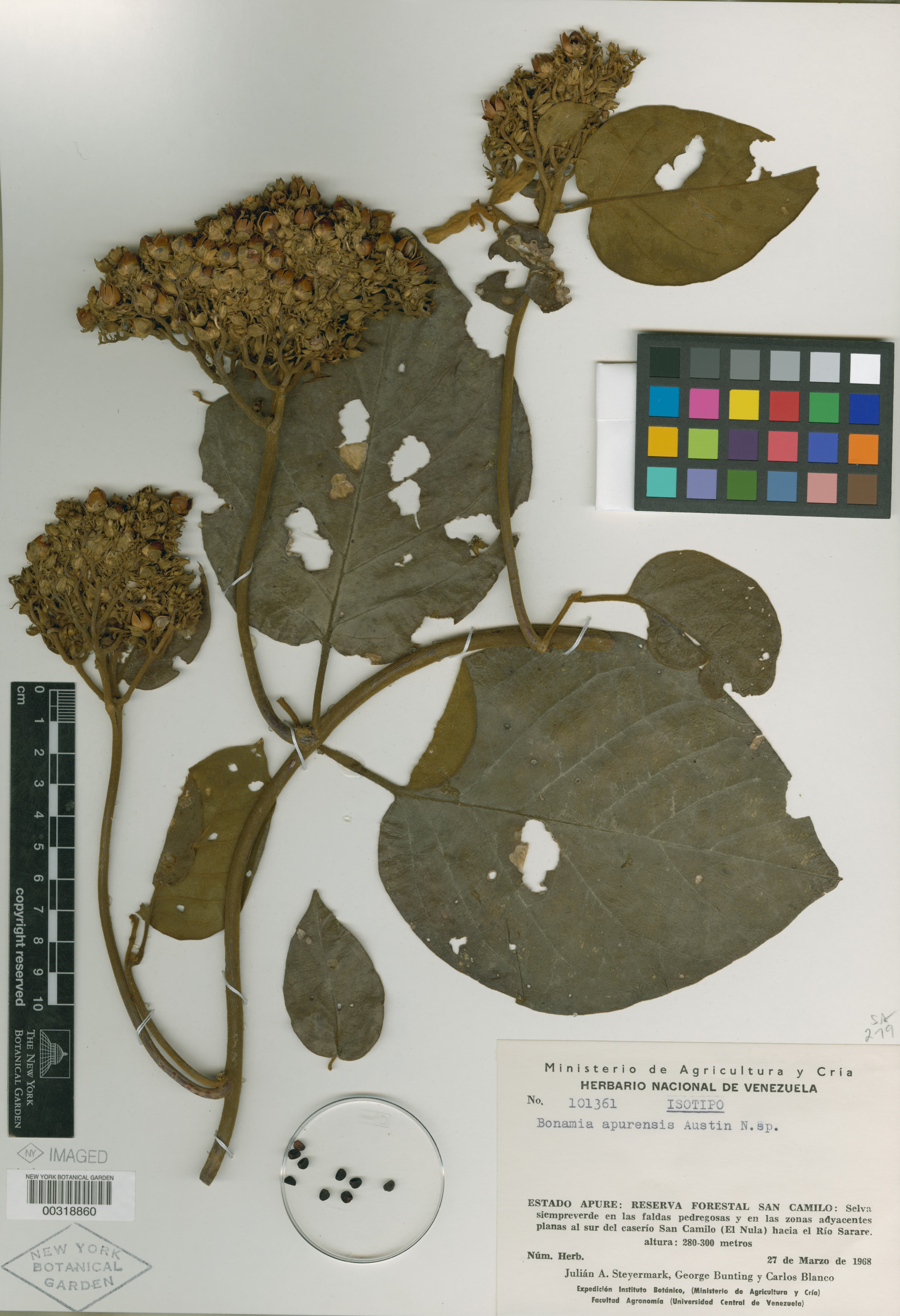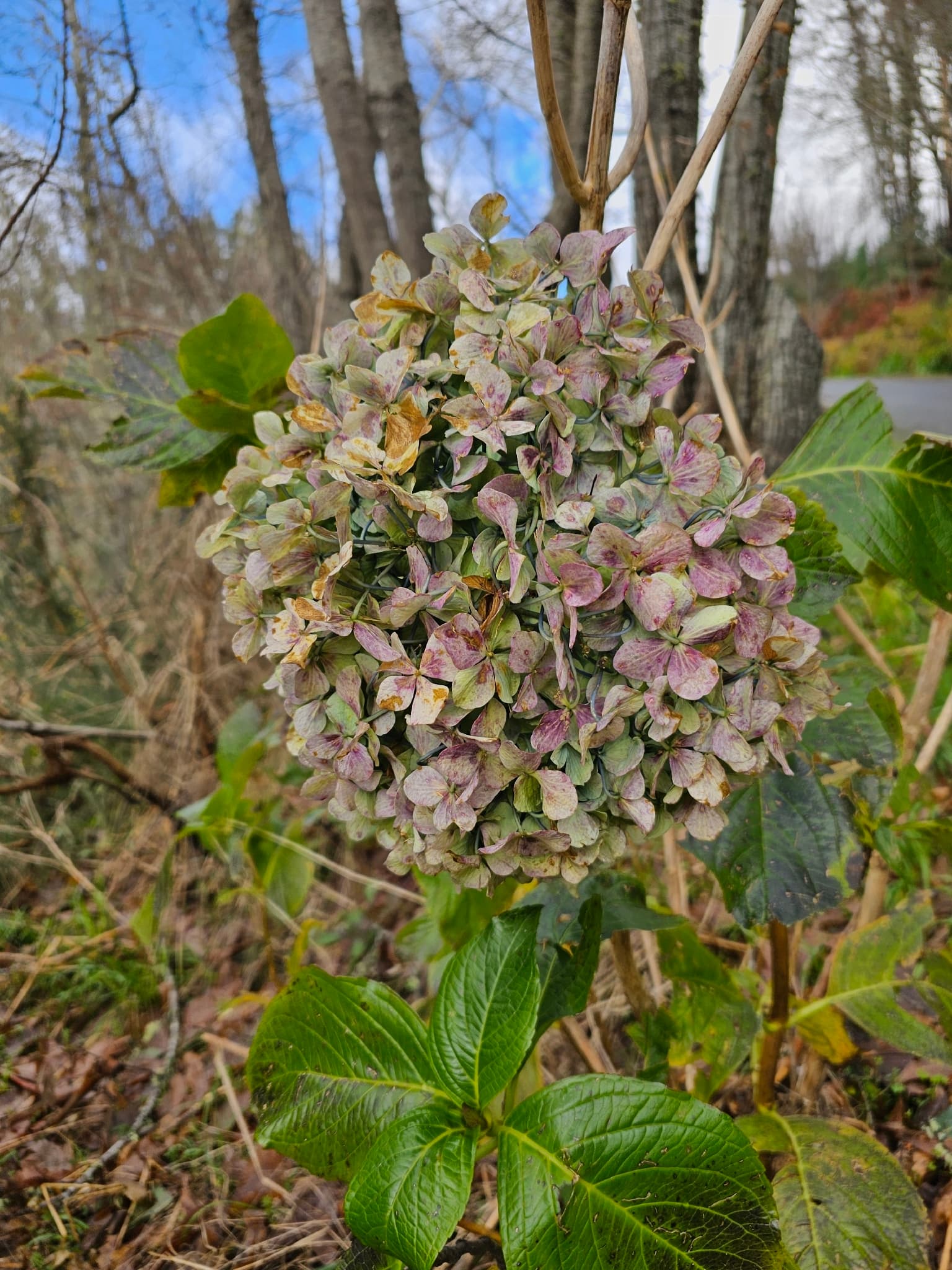
Hydrangea xinfeniae
Image: anschieber (cc-by-nc)
NameHydrangea xinfeniae
Scientific NameHydrangea macrophylla
Common NamesBigleaf Hydrangea, French Hydrangea, Mophead Hydrangea
Plant FamilyHydrangeaceae
Natural HabitatNative to coastal regions of Japan and China, it thrives in moist, well-drained soils in partial shade. It is widely cultivated in temperate climates as an ornamental plant.
Parts Usedroot,leaf,flower
Medicinal Actionsdiuretic, anti-inflammatory, astringent, antimicrobial
Traditional UsesTraditionally, the root and rhizome of Hydrangea macrophylla have been used in folk medicine, particularly for urinary tract issues. It is employed to help dissolve kidney and bladder stones, alleviate symptoms of urinary tract infections, and support prostate health. The leaves and flowers have also been used for their diuretic and anti-inflammatory properties.
Active Constituentshydrangin, hydrangenol, saponins, flavonoids, coumarins
Preparation Methodsdecoction, tincture, powder
Contraindications & WarningsNot recommended for use during pregnancy or breastfeeding. Individuals with kidney disease or those taking diuretic medications should consult a healthcare professional. May cause stomach upset in some individuals.
Cultivation NotesPrefers rich, moist, well-drained soil and partial shade. Soil pH influences flower color (acidic soil for blue, alkaline for pink). Requires consistent watering, especially during dry periods, and benefits from mulching.
Raritycommon
Description
Hydrangea macrophylla is a deciduous shrub known for its large, showy flower clusters, which can be pink, blue, or white depending on soil pH. It features broad, serrated green leaves and woody stems, often growing to several feet in height and width.