Hydrangea serratifolia
NameHydrangea serratifolia
Scientific NameHydrangea serratifolia
Common NamesChilean Climbing Hydrangea, Sawtooth Hydrangea
Plant FamilyHydrangeaceae
Natural HabitatNative to temperate forests of Chile, where it typically climbs trees or scrambles over rocks and banks. It thrives in moist, well-drained soil and partial shade.
Parts Usedroot
Medicinal Actionsdiuretic, anti-inflammatory
Traditional UsesTraditionally, the root of Hydrangea species has been used to support urinary tract health, particularly for conditions like kidney stones, bladder infections, and prostate issues. It is believed to help dissolve and expel urinary calculi and reduce inflammation in the urinary system.
Active Constituentshydrangin, saponins, flavonoids, coumarins
Preparation Methodsdecoction, tincture, powder
Contraindications & WarningsNot recommended for pregnant or breastfeeding women, individuals with kidney disease, or those taking diuretics. Long-term use should be avoided without professional guidance.
Cultivation NotesThis evergreen climber prefers a sheltered position in partial shade with moist, well-drained, humus-rich soil. It can be grown against a wall, fence, or allowed to climb into trees, requiring sturdy support.
Rarityuncommon
Description
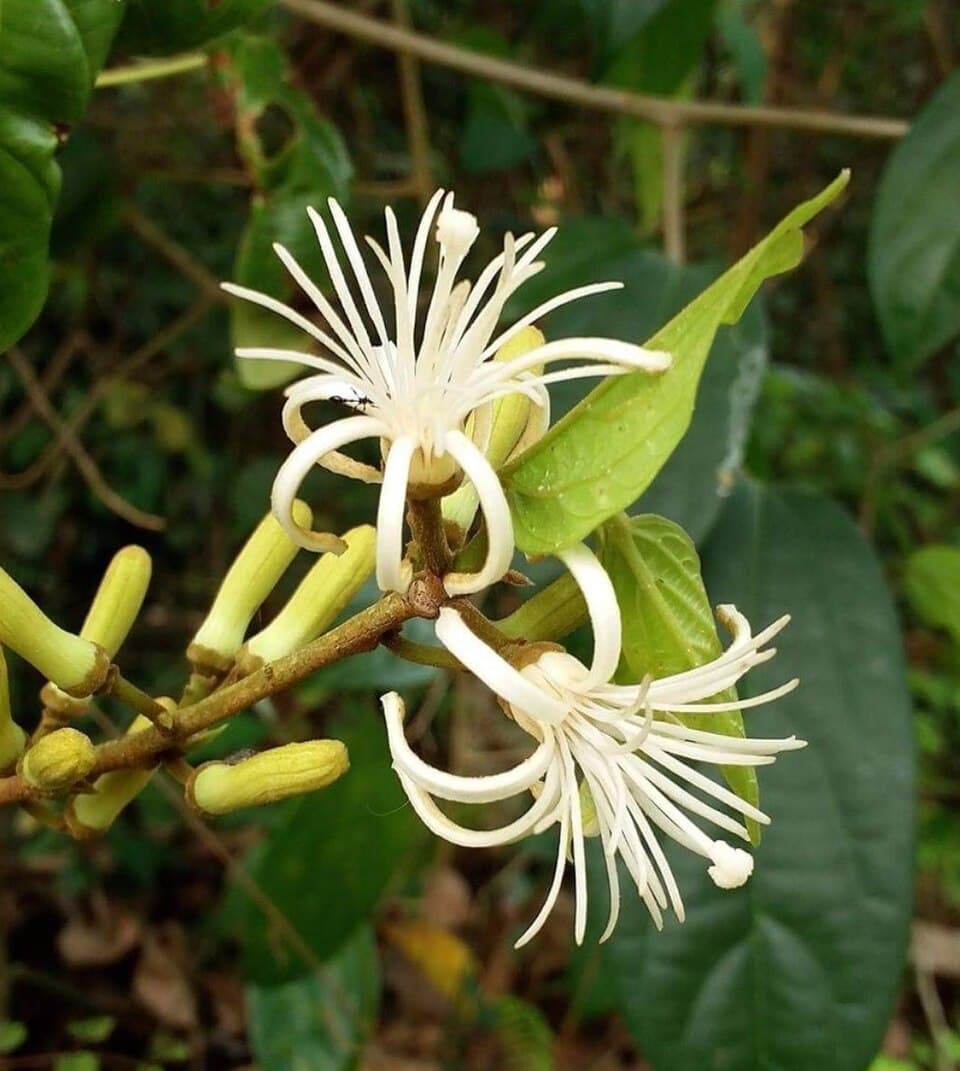
Hydrangea serratifolia is a vigorous evergreen climbing shrub or vine, native to Chile. It features glossy, dark green, serrated leaves and produces clusters of small, creamy-white flowers in summer, often followed by decorative seed heads.