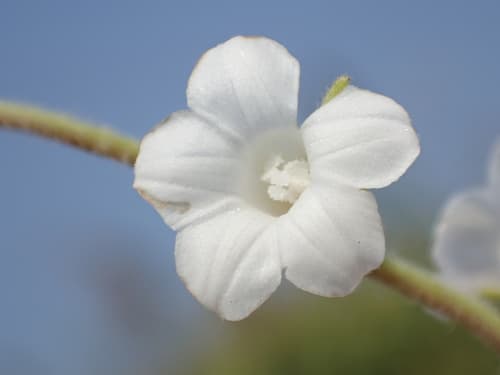
Hydrangea peruviana
NameHydrangea peruviana
Scientific NameHydrangea peruviana
Common NamesPeruvian Hydrangea
Plant FamilyHydrangeaceae
Natural HabitatThis species is native to the cloud forests and humid montane regions of the Andes in South America, typically found at elevations where moisture is abundant and temperatures are moderate.
Parts Usedroot
Medicinal Actionsdiuretic, anti-inflammatory
Traditional UsesTraditionally, the root of Hydrangea species, including H. peruviana, has been used to support urinary tract health. It is often employed to help dissolve kidney and bladder stones, alleviate symptoms of urinary tract infections, and address prostate issues due to its diuretic and anti-inflammatory properties.
Active Constituentshydrangin, saponins, flavonoids, coumarins
Preparation Methodsdecoction, tincture, powder
Contraindications & WarningsCaution is advised for individuals with kidney disease or those taking diuretic medications, as it may exacerbate dehydration or interact with drugs. Large doses can cause gastrointestinal upset, including nausea and vomiting.
Cultivation NotesHydrangea peruviana thrives in moist, well-drained, acidic to neutral soil and prefers partial shade, especially in warmer climates. It requires consistent moisture and protection from harsh afternoon sun to flourish.
Rarityuncommon
Description
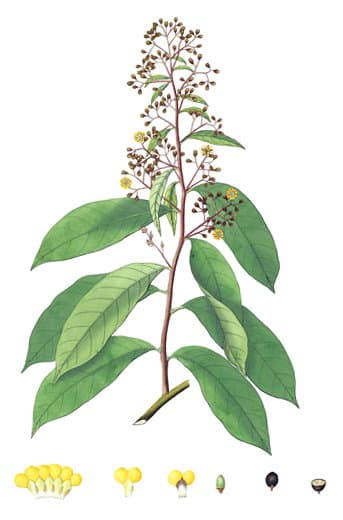
Hydrangea peruviana is a shrub or small tree native to the Andes, characterized by large, ovate, dark green leaves. It produces terminal corymbs of pink flowers, featuring both small fertile florets and larger, showy sterile florets that give the inflorescence its distinctive appearance.