Hydrangea macrocarpa
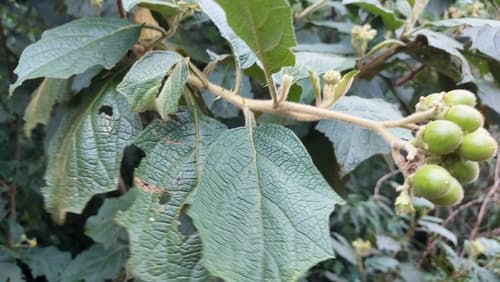
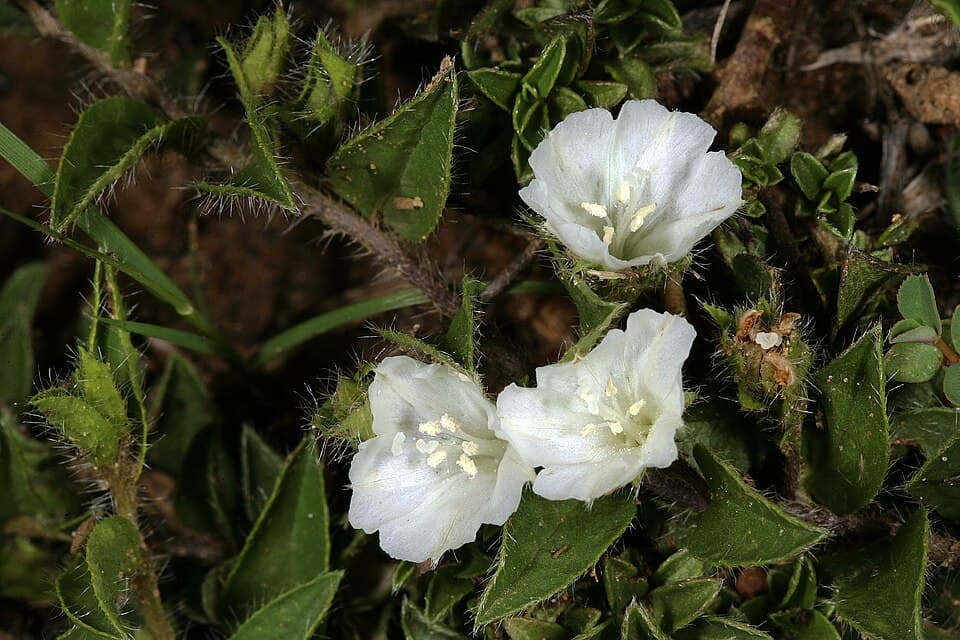
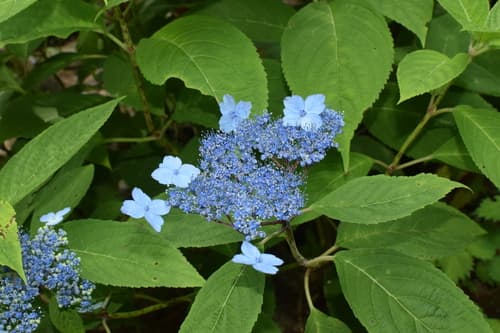
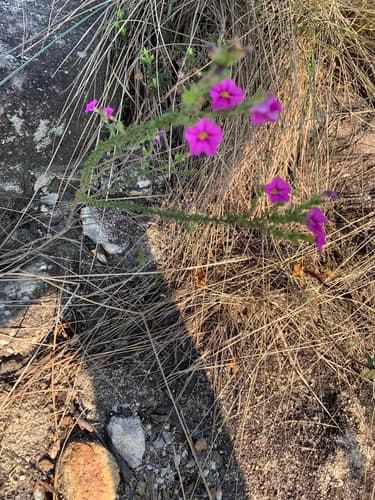
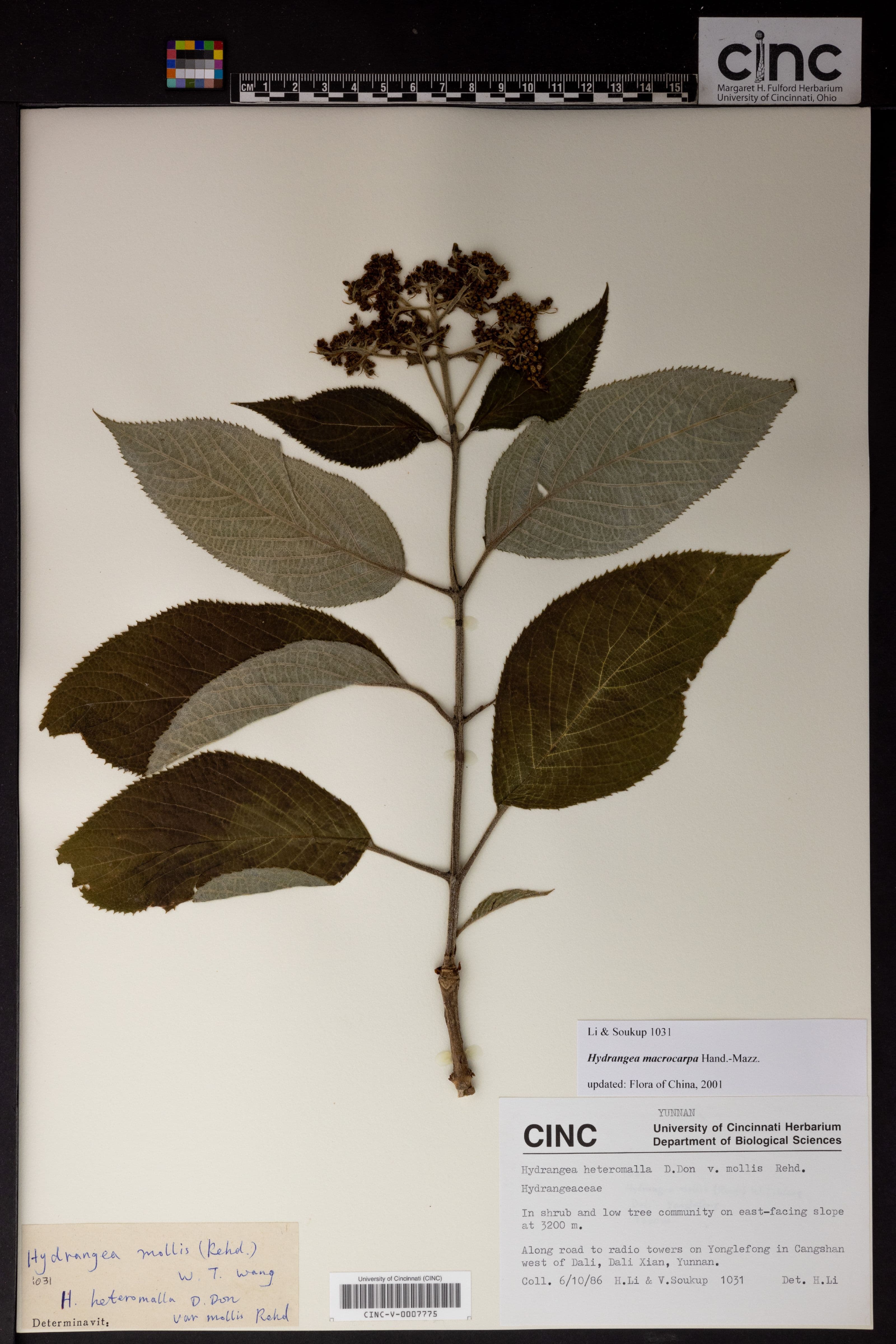
Image: Li, H.; Soukup, Victor G. (cc-by-nc)
NameHydrangea macrocarpa
Scientific NameHydrangea macrocarpa Hand.-Mazz.
Common NamesBig-fruited Hydrangea, Chinese Hydrangea
Plant FamilyHydrangeaceae
Natural HabitatThrives in shrub and low tree communities on east-facing slopes at high altitudes (typically 2000-3200 m) in mountainous regions of Yunnan and Sichuan, China.
Parts Usedroot,leaf,flower
Medicinal Actionsdiuretic, anti-inflammatory, antimicrobial
Traditional UsesWhile specific traditional uses for Hydrangea macrocarpa are not widely documented, other Hydrangea species (like H. arborescens) have a long history of use in traditional medicine for treating urinary tract issues, kidney stones, bladder infections, and prostate conditions due to their diuretic and anti-lithic properties. It is plausible that H. macrocarpa shares similar properties given its genus.
Active Constituentshydrangin, saponins, flavonoids, hydrangenol
Preparation Methodsdecoction, tincture, infusion
Contraindications & WarningsMay cause gastrointestinal upset (nausea, vomiting, diarrhea) in some individuals. Should be used with caution by individuals with kidney disease or those taking diuretic medications, as it may potentiate their effects. Pregnant or breastfeeding women should avoid use.
Cultivation NotesPrefers moist, well-drained soil and partial shade, though it can tolerate full sun in cooler climates. Requires consistent moisture, especially during dry periods. Hardy in temperate zones.
Raritycommon
Description
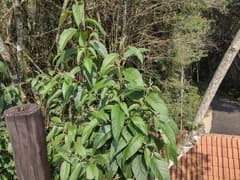
A deciduous shrub native to mountainous regions of China, characterized by its opposite, ovate to elliptic leaves with serrated margins. It produces terminal inflorescences of small flowers, which develop into distinctive large fruits.