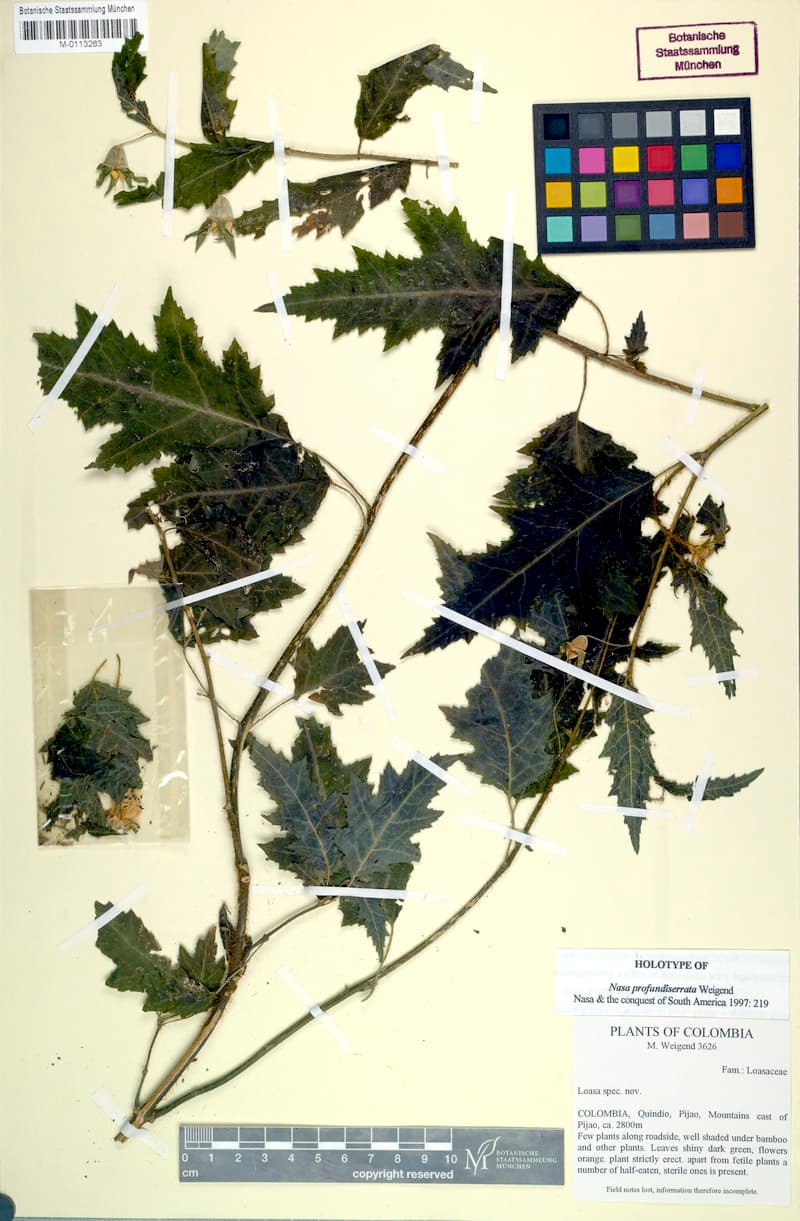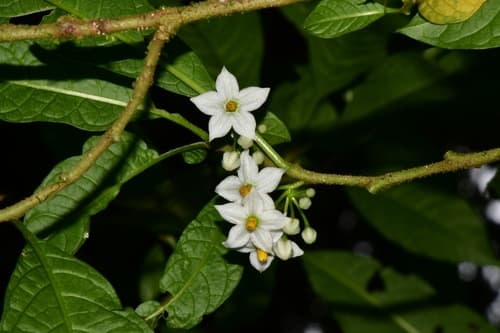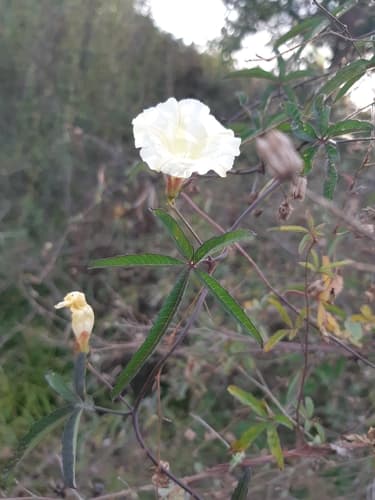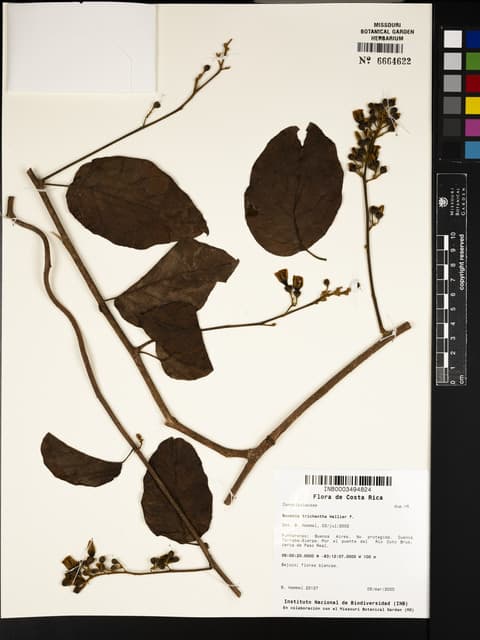
Cestrum capsulare
NameCestrum capsulare
Scientific NameCestrum capsulare
Plant FamilySolanaceae
Natural HabitatNative to South America, particularly Brazil, it is found in various forest types, including forest edges, secondary growth, and disturbed areas in tropical and subtropical regions.
Parts Used
Traditional UsesSpecific traditional medicinal uses for Cestrum capsulare are not widely documented in reliable sources. The genus Cestrum is generally known for containing toxic compounds, and while some species have been used in traditional medicine with extreme caution due to their toxicity, specific applications for C. capsulare are not established.
Active ConstituentsSteroidal saponins, Alkaloids
Contraindications & WarningsAll parts of Cestrum species, including C. capsulare, are generally considered toxic, especially the fruits. Ingestion can cause gastrointestinal upset, neurological symptoms, and other severe effects. Not recommended for internal use.
Cultivation NotesThis plant prefers full sun to partial shade and well-drained soil. It is a relatively hardy shrub that can tolerate various conditions within its native tropical and subtropical climate, often growing in disturbed areas.
Raritycommon
Description
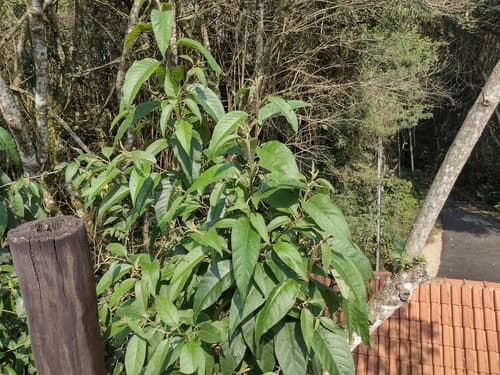
Cestrum capsulare is a shrub or small tree native to South America, characterized by simple, alternate, entire leaves and small, tubular flowers that develop into berry-like fruits (capsules). It typically grows a few meters tall with woody stems and a dense canopy of green foliage.