Hydrangea fauriei
NameHydrangea fauriei
Scientific NameHydrangea fauriei
Common NamesFaurie's Hydrangea
Plant FamilyHydrangeaceae
Natural HabitatNative to the mountainous regions of Japan, it typically thrives in woodlands, forest edges, and along stream banks, preferring moist, shaded environments.
Parts Usedroot
Medicinal Actionsdiuretic, anti-inflammatory, astringent
Traditional UsesWhile specific traditional uses for *Hydrangea fauriei* are less documented than for other *Hydrangea* species, the genus *Hydrangea* is traditionally used to support urinary tract health. It has been employed to treat conditions such as urinary tract infections, kidney stones, bladder infections, and prostate issues, primarily due to its diuretic and lithotriptic properties.
Active Constituentshydrangin, saponins, flavonoids, volatile oils
Preparation Methodsdecoction, tincture, powder
Contraindications & WarningsHydrangea can cause gastrointestinal upset in some sensitive individuals. It should be used with caution by pregnant or breastfeeding women, and those with pre-existing kidney conditions. Potential interactions with diuretic medications and blood thinners should be considered.
Cultivation NotesThis species prefers moist, well-drained soil and partial shade, though it can tolerate some sun if kept adequately watered. It is generally hardy and adaptable to various soil types, thriving best in acidic to neutral conditions.
Rarityuncommon
Description
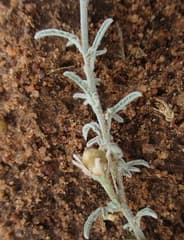
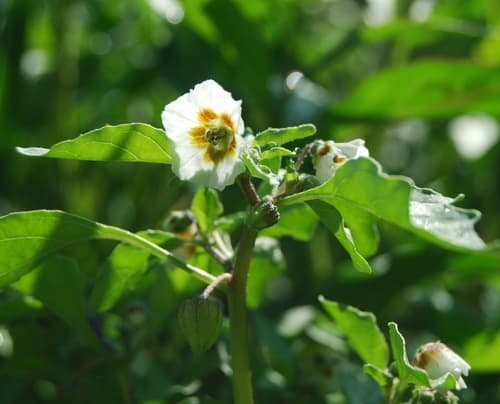
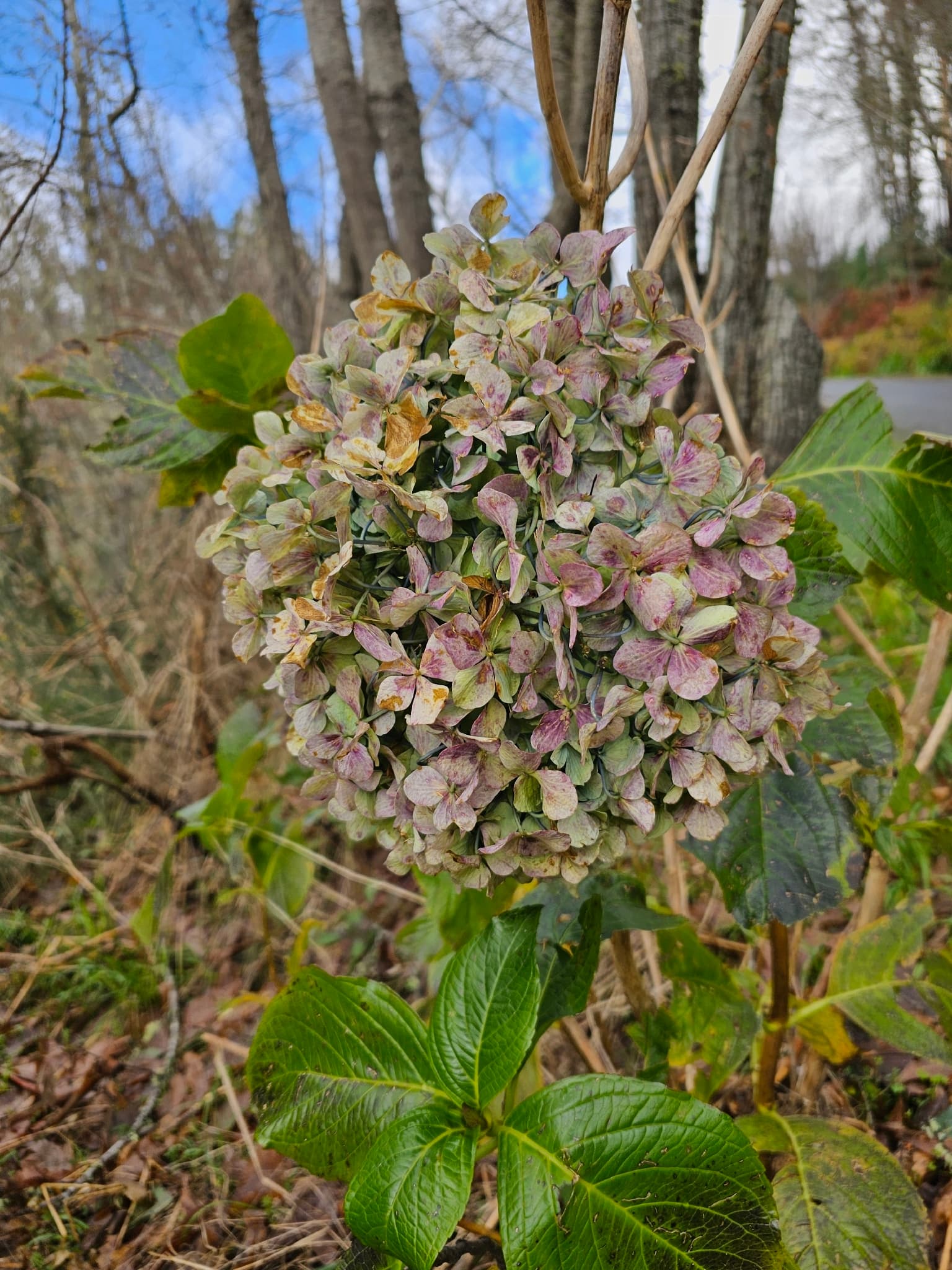
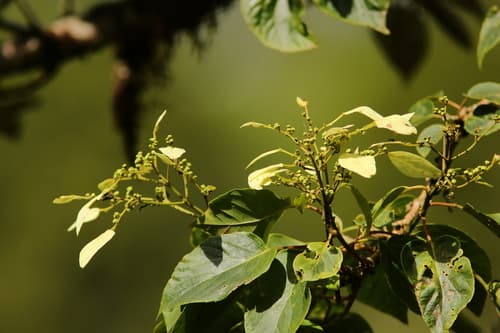
Hydrangea fauriei is a deciduous shrub or small tree native to Japan, characterized by its ovate to elliptic green leaves. It produces clusters of small, fertile flowers, often accompanied by larger, showy sterile bracts that can be pale yellow or white, as seen in the developing buds.