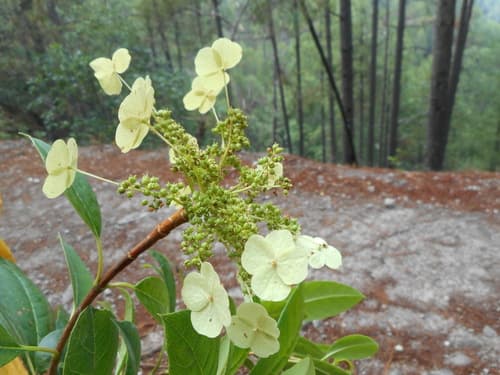
Hydrangea carroniae
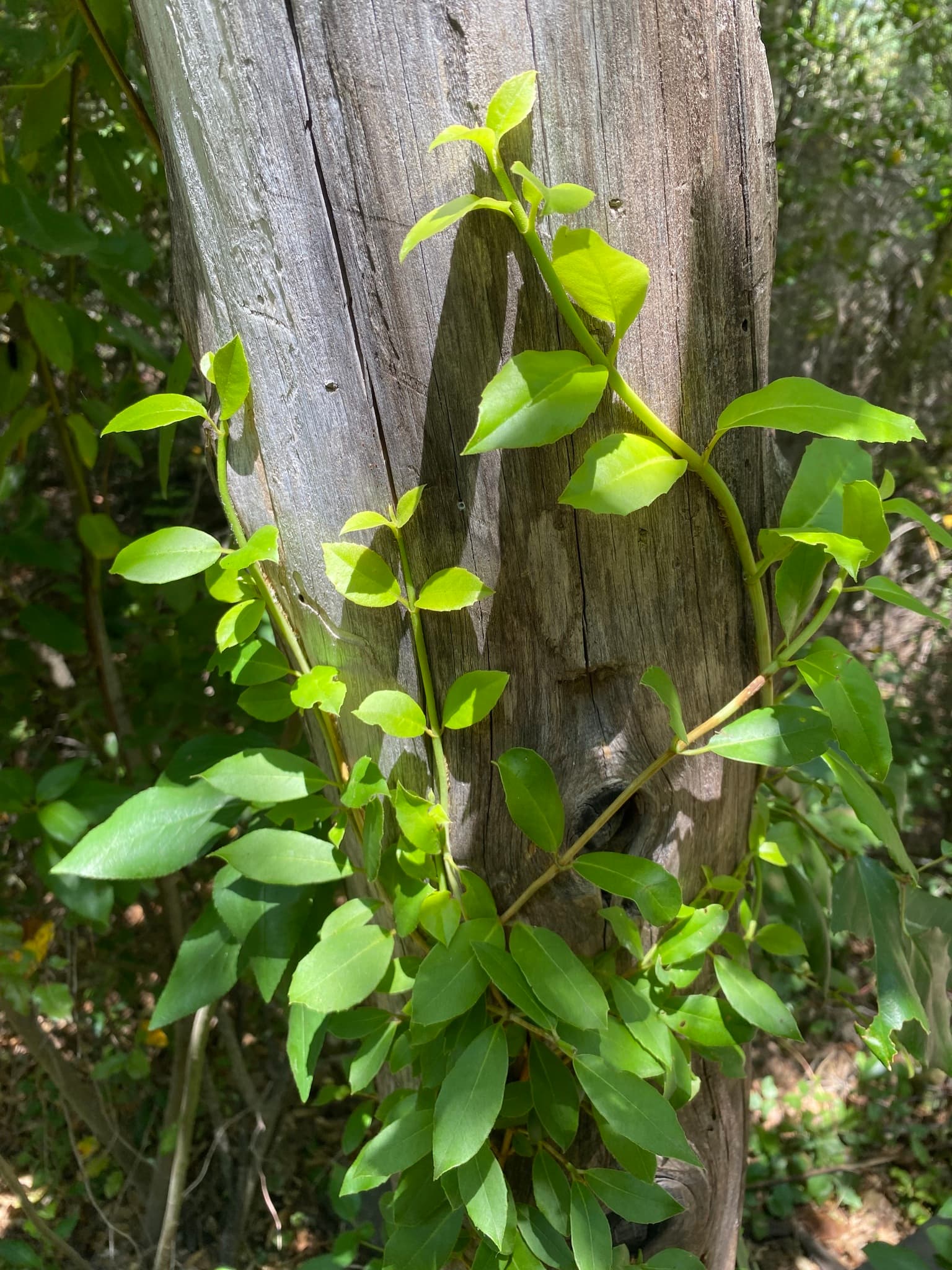
Image: Fabrizzio Ausensi (cc-by-nc)
NameHydrangea carroniae
Scientific NameHydrangea serratifolia
Common NamesChilean Climbing Hydrangea, Serrated Hydrangea
Plant FamilyHydrangeaceae
Natural HabitatNative to temperate forests of Chile and Argentina, where it typically climbs on trees and rocks in moist, shaded environments.
Parts Usedroot,leaf
Medicinal Actionsdiuretic, anti-inflammatory, antioxidant
Traditional UsesWhile specific traditional uses for Hydrangea serratifolia are not widely documented, other Hydrangea species, particularly H. arborescens, have been traditionally used for urinary tract issues, kidney and bladder stones, and prostate health. It is plausible that H. serratifolia shares some of these properties.
Active Constituentshydrangin, saponins, flavonoids
Preparation Methodsdecoction, tincture, infusion
Contraindications & WarningsSpecific contraindications for Hydrangea serratifolia are not well-established. However, for other Hydrangea species, large doses may cause gastrointestinal upset. Not recommended for pregnant or breastfeeding women without professional advice.
Cultivation NotesThis hardy climbing vine thrives in moist, well-drained soil and prefers partial to full shade. It requires a support structure to climb and can grow quite large, making it suitable for covering walls or fences.
Raritycommon
Description
Hydrangea serratifolia is a vigorous, evergreen climbing vine native to South America. It features glossy, dark green, serrated leaves and produces clusters of white, lacecap-like flowers. The plant adheres to surfaces using aerial roots.