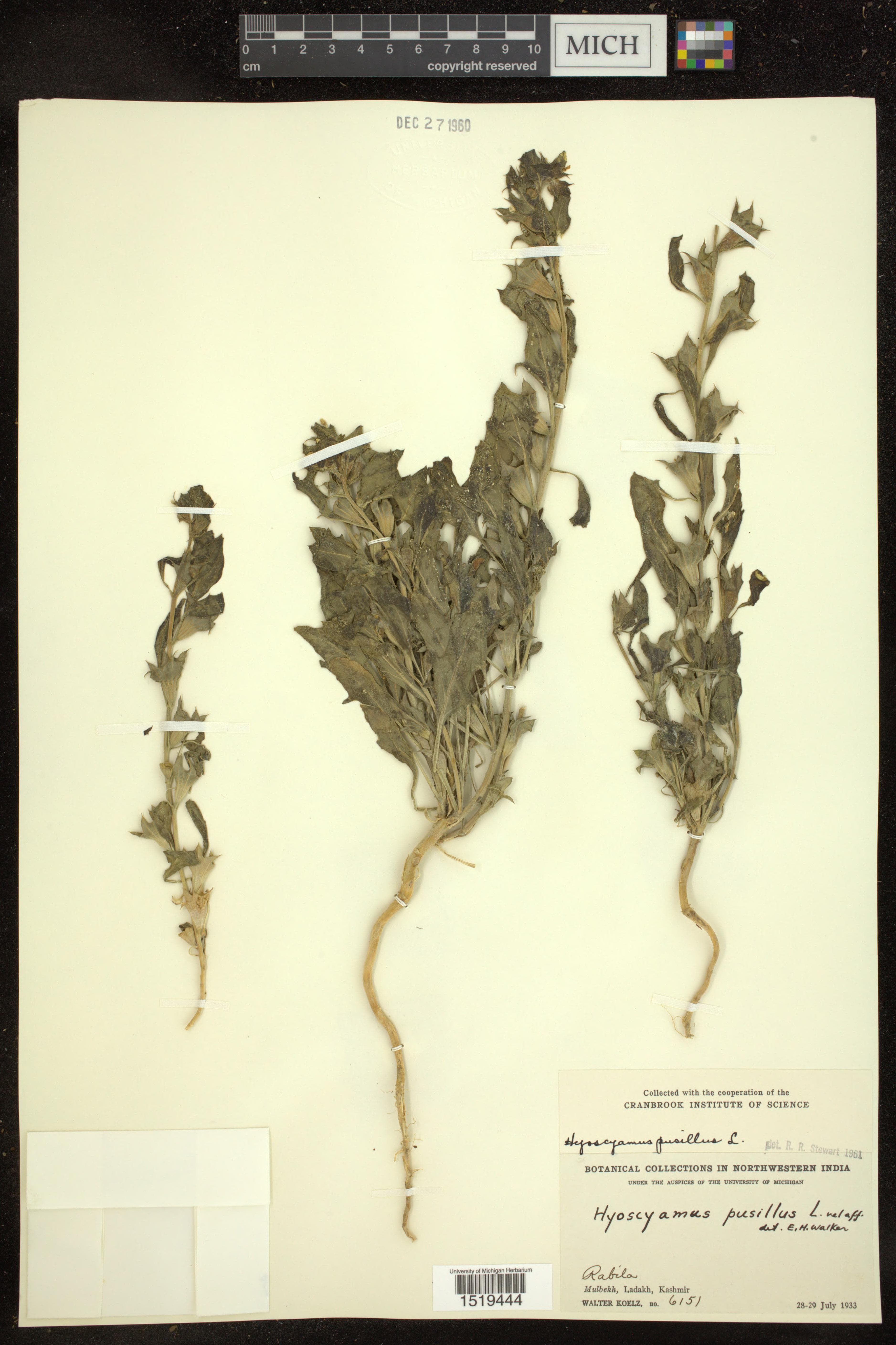
grey ray flower
Namegrey ray flower
Scientific NameNama demissum
Common Namesgrey ray flower, Prostrate Nama, Purple-throated Nama, Desert Nama
Plant FamilyBoraginaceae
Natural HabitatTypically found in arid and semi-arid regions of the southwestern United States and northern Mexico, including deserts, dry washes, sandy flats, and rocky slopes. It thrives in open, sunny locations with well-drained soil.
Parts Usedwhole_plant,leaf,flower
Medicinal Actionsanti-inflammatory, antimicrobial, antioxidant, astringent
Traditional UsesWhile specific traditional medicinal uses for *Nama demissum* are not extensively documented in mainstream ethnobotanical literature, related *Nama* species and other desert plants were historically used by indigenous peoples for various purposes, including topical applications for skin irritations or as general tonics.
Active ConstituentsFlavonoids, Tannins, Terpenoids
Preparation Methodsinfusion, poultice, powder
Contraindications & WarningsSpecific contraindications for *Nama demissum* are not well-documented. As with any herb, caution is advised for pregnant or lactating individuals, young children, and those with known allergies to plants in the Boraginaceae family.
Cultivation NotesThis annual desert plant prefers full sun and well-drained, sandy or rocky soil. It is drought-tolerant once established and requires minimal watering. Propagation is typically by seed, which can be sown directly in the fall or early spring in suitable climates.
Raritycommon
Description
A low-growing annual herb characterized by its densely hairy, grayish-green foliage and distinctive white to pale lavender flowers. Each flower features five spreading lobes with prominent dark purple or black stripes radiating from the throat, creating a striking appearance.