Hound's Tongue
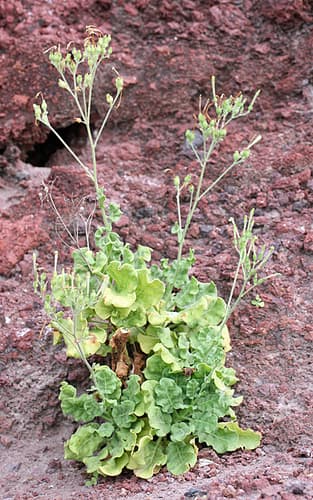
Image: Иван Матершев (cc-by-nc)
NameHound's Tongue
Scientific NameCynoglossum officinale
Common NamesHound's Tongue, Gypsy Flower, Dog's Tongue, Beggar's Lice, Sheep Bur
Plant FamilyBoraginaceae
Natural HabitatNative to Eurasia, Hound's Tongue has naturalized widely in temperate regions globally. It typically grows in disturbed areas, pastures, roadsides, waste ground, and open woodlands, preferring well-drained soils.
Parts Usedleaf,root
Medicinal Actionsastringent, demulcent, sedative, expectorant
Traditional UsesTraditionally, Hound's Tongue was used externally as a poultice or wash for wounds, burns, ulcers, and insect bites, owing to its demulcent and astringent properties. Historically, it was also used internally for coughs, bronchitis, diarrhea, and as a sedative, but due to the presence of hepatotoxic pyrrolizidine alkaloids, internal use is now strongly discouraged and considered unsafe.
Active ConstituentsPyrrolizidine alkaloids (e.g., heliosupine, cynoglossine), mucilage, tannins, allantoin
Preparation Methodspoultice, infusion, decoction, salve
Contraindications & WarningsContains hepatotoxic pyrrolizidine alkaloids; therefore, internal use is strictly contraindicated. Avoid during pregnancy, lactation, and in individuals with liver disease. Can be toxic to livestock if ingested.
Cultivation NotesOften considered a noxious weed, Hound's Tongue is a biennial plant that reproduces by seed. It thrives in full sun to partial shade and well-drained soil, and can be invasive in suitable conditions.
Raritycommon
Description
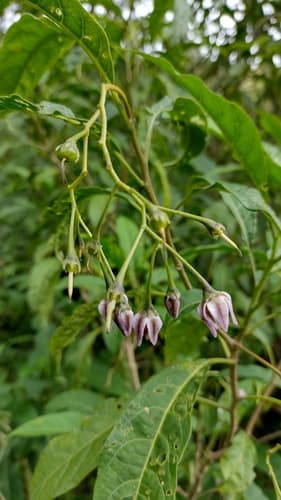
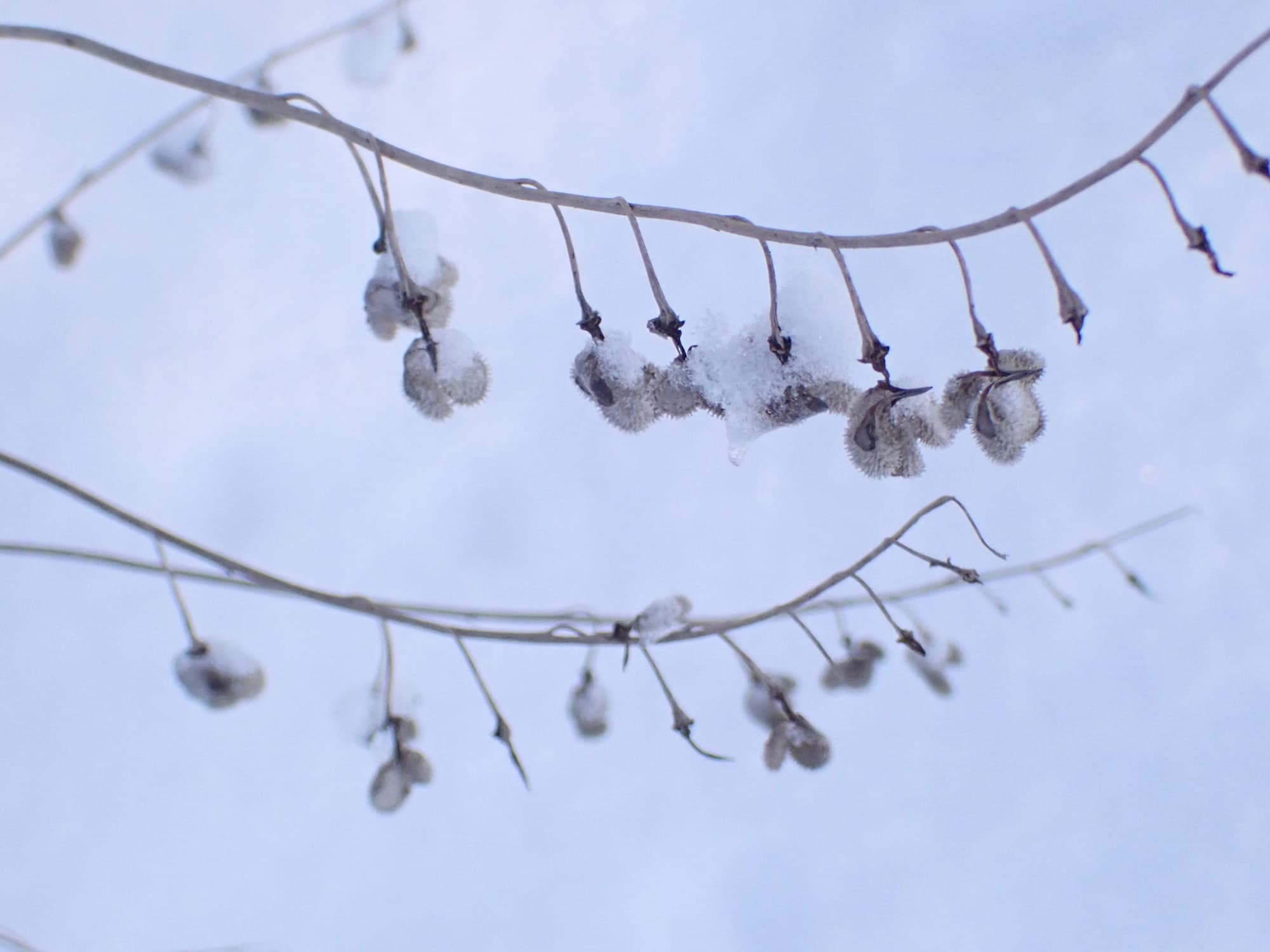
Cynoglossum officinale is a biennial herb, typically growing up to 1 meter tall, characterized by its soft, hairy, lance-shaped leaves that resemble a dog's tongue. It produces small, reddish-purple flowers followed by distinctive, bur-like nutlets covered in hooked spines, which are adapted for dispersal by clinging to animal fur or clothing, as seen in the image.