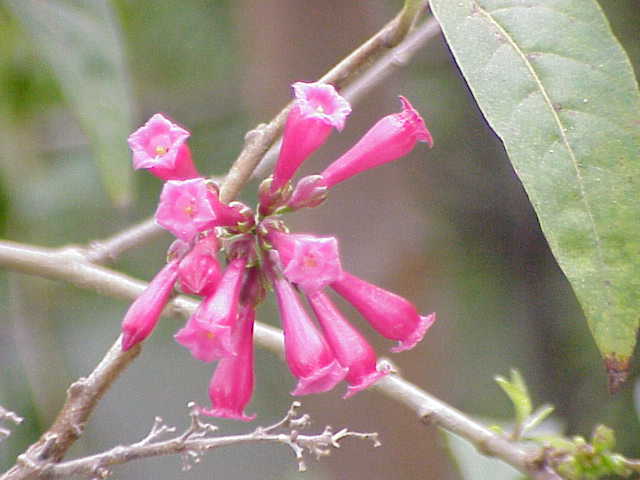
Cestrum luteovirescens
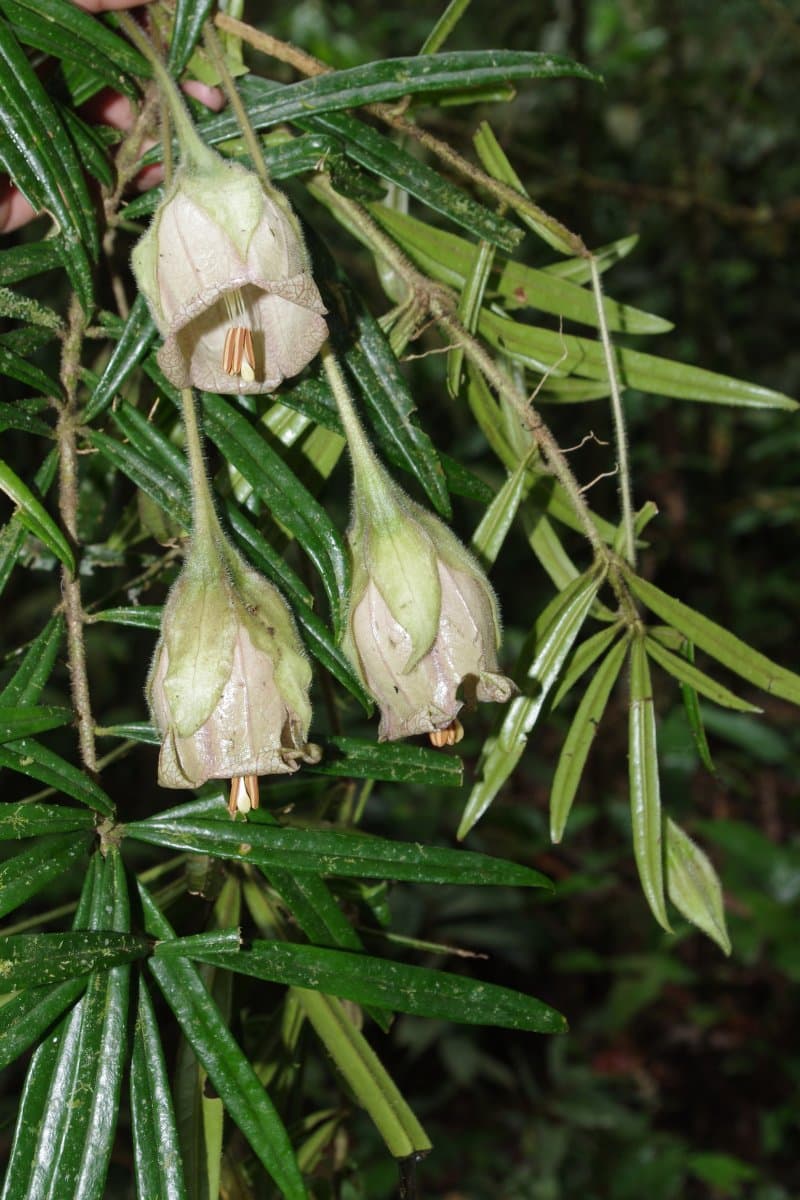
Image: Rodríguez,D., Galán,P. & Escobar,L. (cc-by-sa)
NameCestrum luteovirescens
Scientific NameCestrum luteovirescens Francey
Common NamesNone found
Plant FamilySolanaceae
Natural HabitatNative to cloud forests at an elevation of 1650 meters in the Santa Ana department of El Salvador, specifically found in the Lomas de San Marcelino area, along trails between El Cerro Verde and the lava fields of the Izalco volcano.
Parts Usedleaf,fruit,whole_plant
Medicinal Actionsantimicrobial, anti-inflammatory
Traditional UsesDue to the inherent toxicity of the *Cestrum* genus, *Cestrum luteovirescens* is not widely recognized for safe traditional medicinal uses in humans. While some *Cestrum* species have been anecdotally used externally for conditions like skin ailments or pain in very specific folk medicine practices, such uses carry significant risks due to potential irritation and absorption of toxic compounds.
Active Constituentssteroidal glycoalkaloids, saponins
Preparation Methodspowder
Contraindications & WarningsAll parts of *Cestrum luteovirescens* are considered toxic. Ingestion can lead to severe gastrointestinal upset, neurological symptoms, and cardiac issues. It is not safe for internal human consumption. External use should also be avoided due to potential skin irritation and systemic absorption of toxic compounds.
Cultivation NotesThis species thrives in high-altitude cloud forest environments, requiring moist but well-drained soil and partial shade. It is suited for tropical or subtropical climates. While it can be grown as an ornamental shrub, extreme caution is advised due to its toxicity, especially around children and pets.
Rarityuncommon
Description
Cestrum luteovirescens is a shrub, approximately 3 meters tall, characterized by simple, alternate, entire, ovate to lanceolate leaves and green fruits. As with other members of the *Cestrum* genus, it is known to contain toxic steroidal glycoalkaloids and saponins.