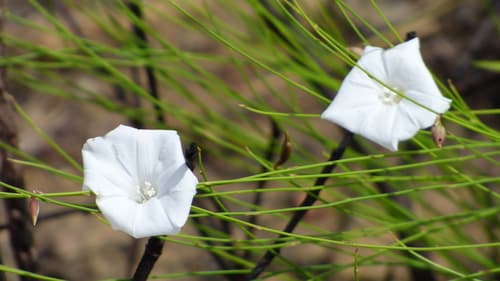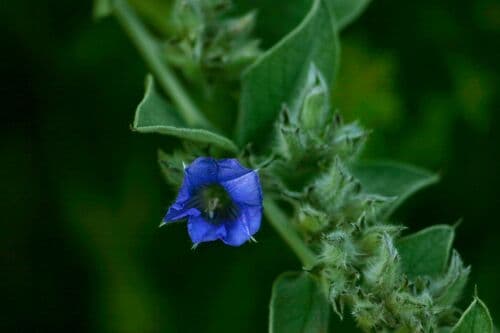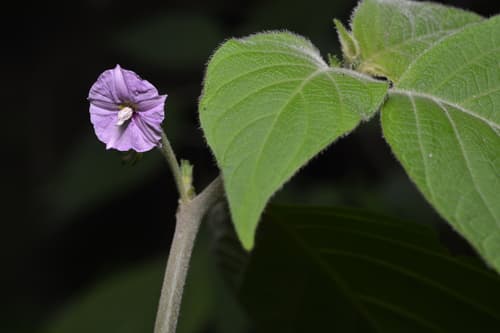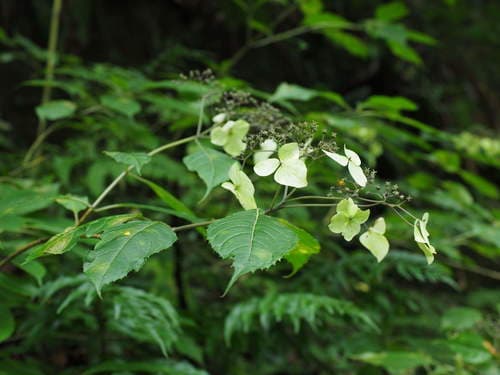
Holoptelea grandis
NameHoloptelea grandis
Scientific NameHoloptelea grandis
Common NamesIndian Elm, South Indian Elm, Large-leaved Holoptelea
Plant FamilyUlmaceae
Natural HabitatThis tree thrives in tropical and subtropical deciduous forests, often found in moist plains, along riverbanks, and in well-drained loamy soils. It is native to parts of Africa and Asia.
Parts Usedbark,leaf,root
Medicinal Actionsanti-inflammatory, antimicrobial, analgesic, antioxidant
Traditional UsesTraditionally, the bark and leaves of Holoptelea grandis are used in various systems of medicine for treating inflammatory conditions, skin diseases, and rheumatism. The bark paste is often applied externally to reduce swellings and alleviate joint pain, while internal preparations are used as a purgative.
Active ConstituentsFlavonoids, Triterpenoids, Steroids, Tannins, Saponins
Preparation Methodsdecoction, powder, poultice
Contraindications & WarningsLimited specific contraindications are known, but pregnant and lactating women should generally avoid its use. High doses may potentially cause gastrointestinal upset.
Cultivation NotesHoloptelea grandis prefers tropical to subtropical climates with adequate rainfall. It grows well in a variety of soils but flourishes in moist, well-drained loamy conditions. Propagation can be achieved through seeds or stem cuttings.
Raritycommon
Description
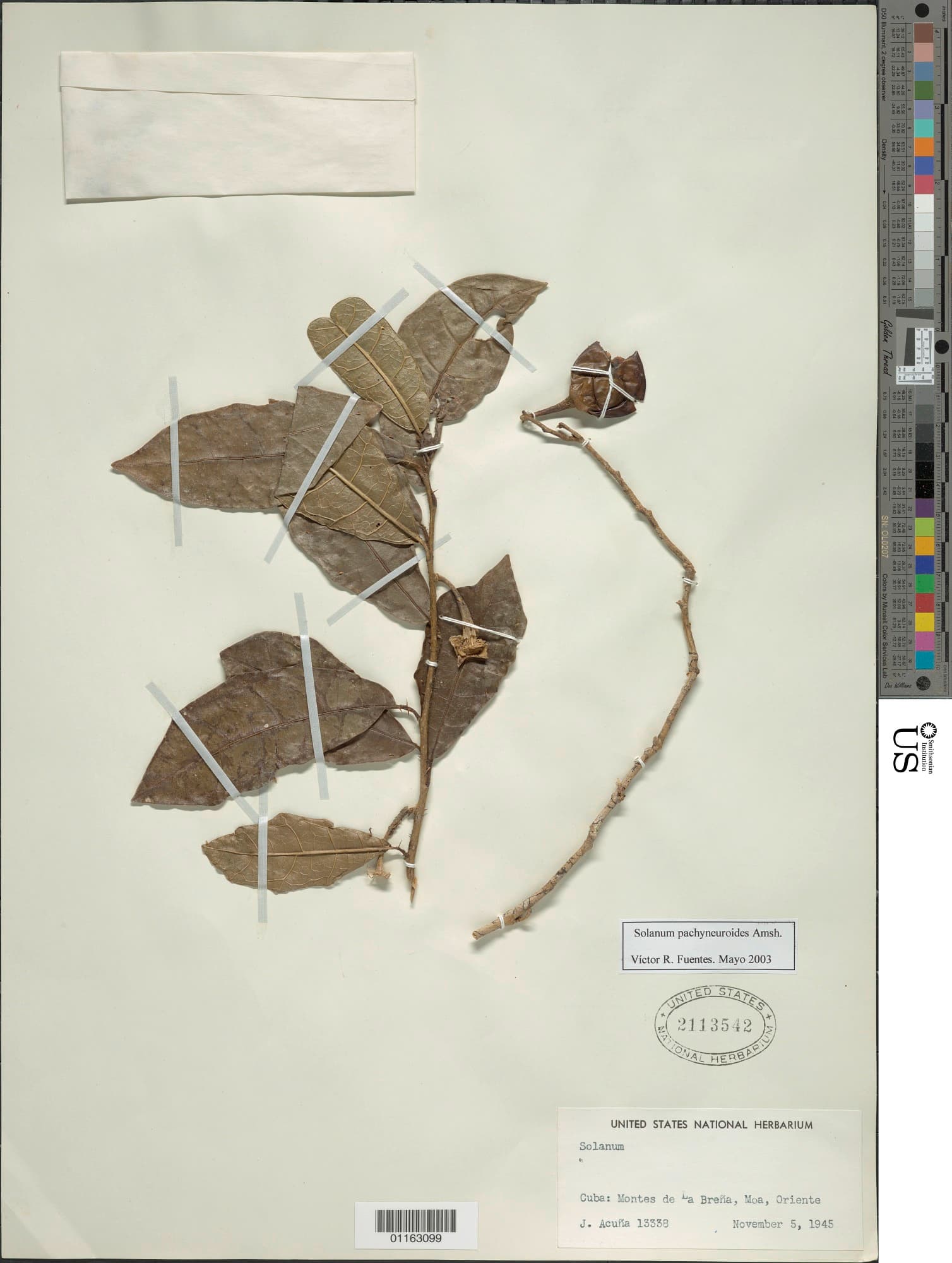
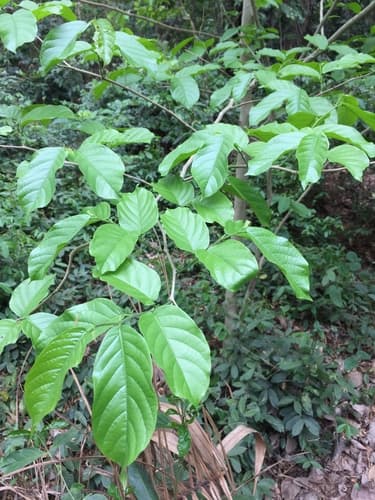
Holoptelea grandis is a large deciduous tree characterized by its simple, alternate leaves that are typically ovate to elliptic with serrated margins and prominent venation. It is a fast-growing species, often reaching considerable heights in its native habitat.