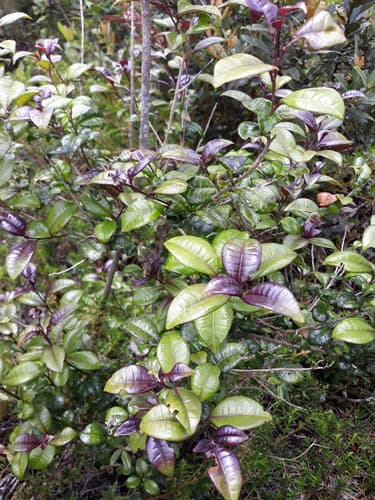
Hispaniola cestrum
NameHispaniola cestrum
Scientific NameCestrum hispaniolense
Common NamesHispaniola Cestrum
Plant FamilySolanaceae
Natural HabitatEndemic to Hispaniola, found in moist montane forests and cloud forests, typically growing in humid, shaded to partially shaded environments.
Parts Usedleaf
Medicinal Actionsanti-inflammatory, analgesic
Traditional UsesWhile the *Cestrum* genus is generally known for its toxicity, some species have been traditionally used in folk medicine, often externally, as poultices for localized pain and inflammation. Specific safe medicinal uses for *Cestrum hispaniolense* are not widely documented, and internal use is highly discouraged due to the presence of toxic compounds.
Active Constituentssteroidal glycoalkaloids, solasodine
Preparation Methodspoultice
Contraindications & WarningsAll parts of the plant are considered toxic. Ingestion can cause severe gastrointestinal upset, neurological symptoms, and can be fatal. Contact with sap may cause skin irritation. Not recommended for internal use.
Cultivation NotesPrefers moist, well-drained soil and partial shade to full sun in tropical or subtropical climates. Can be propagated from seeds or cuttings.
Rarityuncommon
Description
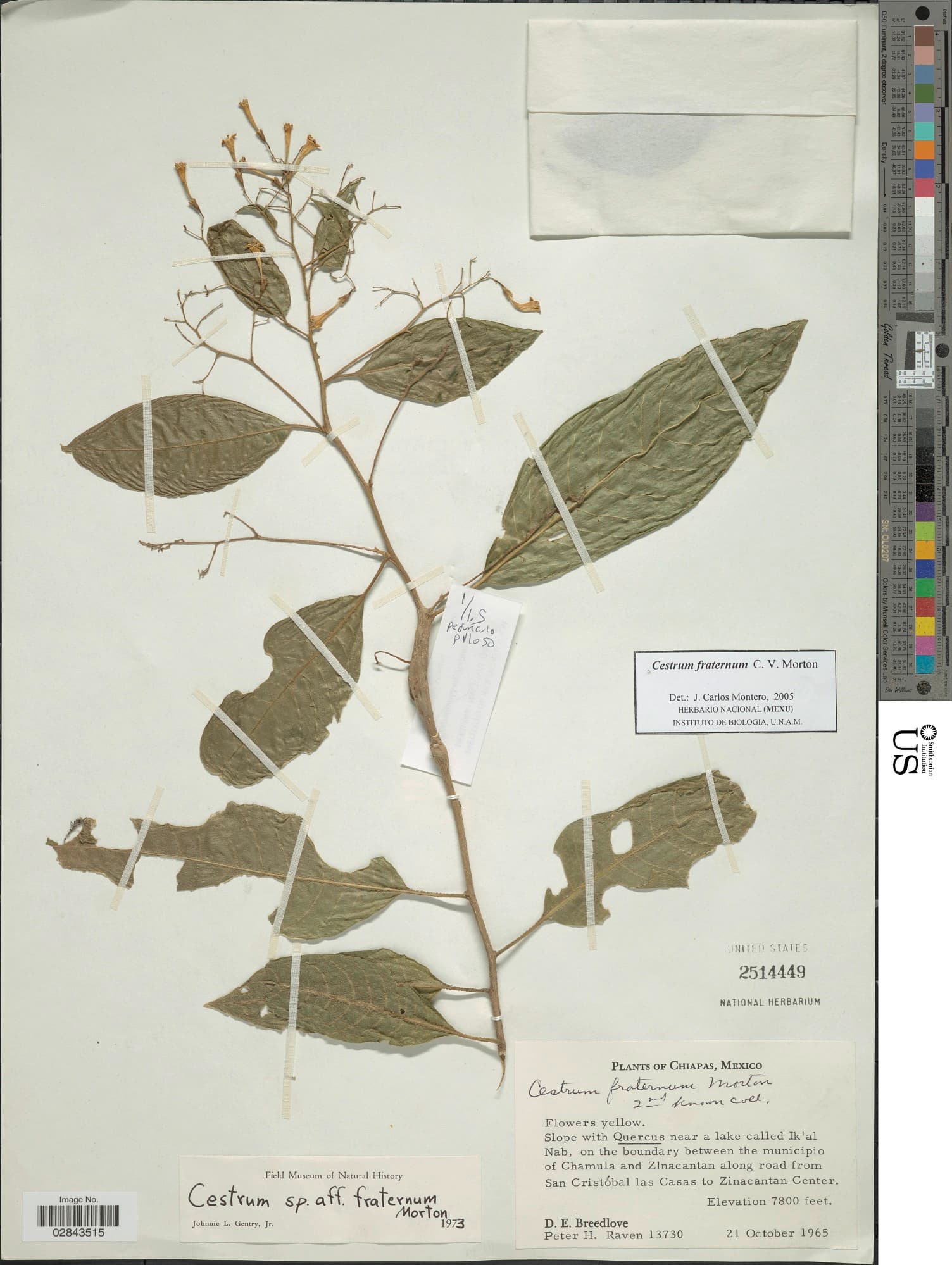
Cestrum hispaniolense is an evergreen shrub or small tree, characterized by glossy, ovate to elliptic leaves, often with new growth displaying a purplish tint. It is native to the Caribbean island of Hispaniola.