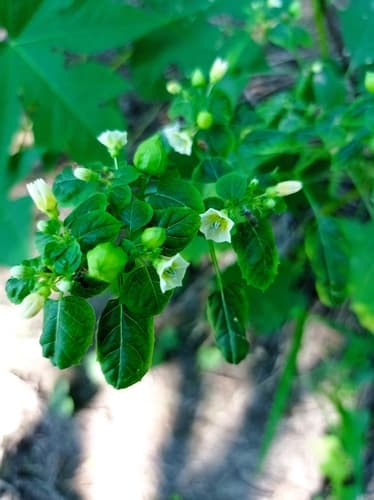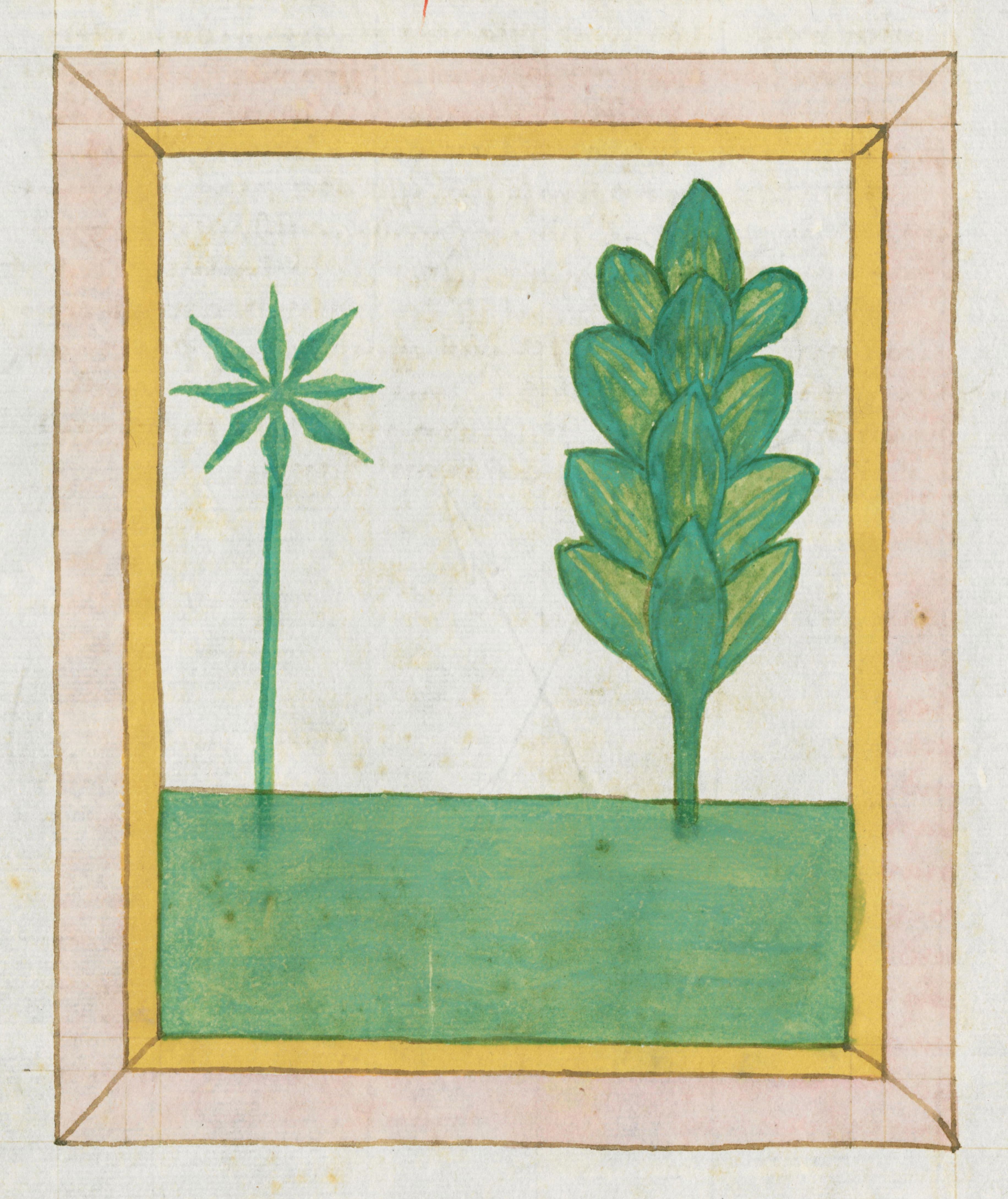
Hellebore
NameHellebore
Scientific NameHelleborus niger
Common NamesHellebore, Christmas Rose, Black Hellebore, Lenten Rose
Plant FamilyRanunculaceae
Natural HabitatNative to mountainous regions of Europe and Asia, Hellebores thrive in woodlands, scrub, and rocky areas, preferring moist, well-drained, and often alkaline soil.
Parts Usedroot
Medicinal Actionsdiuretic, nervine
Traditional UsesHistorically, the root of Hellebore was used as a potent purgative, emetic, and for treating dropsy (edema) and various mental illnesses, including melancholy and epilepsy. Its use was extremely dangerous due to its high toxicity, often resulting in severe poisoning or death.
Active ConstituentsHelleborin, Helleborein, Hellebrin, Saponins, Protoanemonin
Preparation Methodsdecoction, powder
Contraindications & WarningsEXTREMELY TOXIC. All parts of the Hellebore plant are highly poisonous, especially the root. Ingestion can cause severe gastrointestinal distress (vomiting, diarrhea), cardiac arrhythmias, convulsions, paralysis, and can be fatal. It is not safe for internal use under any circumstances, and skin contact can cause irritation.
Cultivation NotesHellebores prefer partial to full shade and moist, well-drained, humus-rich, alkaline soil. They are hardy perennials, relatively low maintenance once established, and are often grown as ornamental plants.
Raritycommon
Description
Hellebore is a genus of herbaceous perennial plants known for their leathery, evergreen leaves and distinctive cup-shaped flowers that bloom in winter or early spring. These plants typically grow from a thick, dark rhizomatous rootstock.