Cumin
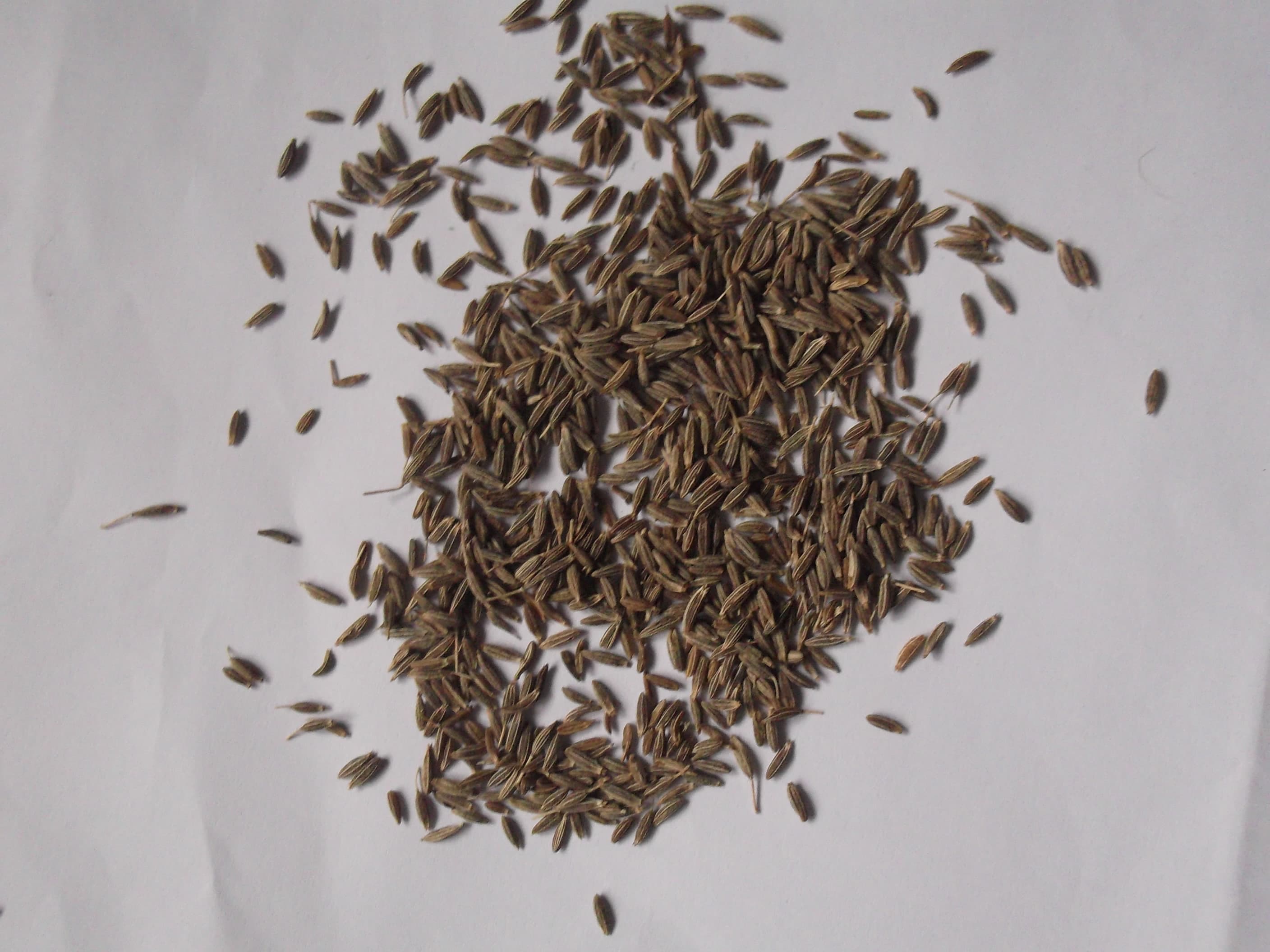
Image: Yercaud-elango (CC BY-SA 4.0)
NameCumin
Scientific NameCuminum cyminum
Common NamesCumin, Jeera
Plant FamilyApiaceae
Natural HabitatNative to the Middle East and India, Cumin thrives in hot, dry climates with long growing seasons. It is widely cultivated globally in regions with suitable conditions, including India, China, Mexico, and parts of Africa.
Parts Usedseed
Medicinal Actionscarminative, antimicrobial, antioxidant, anti-inflammatory, diuretic
Traditional UsesTraditionally, cumin seeds have been used to aid digestion, relieve flatulence, bloating, and indigestion. It is also employed to stimulate appetite, treat diarrhea, and for its general tonic and antimicrobial properties in various traditional medicine systems.
Active ConstituentsCuminaldehyde, Cymene, Beta-pinene, Gamma-terpinene, Flavonoids, Phenolic acids
Preparation Methodsinfusion, decoction, powder, essential oil
Contraindications & WarningsGenerally safe in culinary amounts. High doses may interact with blood-thinning medications due to potential anti-platelet effects. It may also lower blood sugar, requiring caution for individuals with diabetes. Pregnant women should use in moderation.
Cultivation NotesCumin requires full sun and well-drained, fertile soil. It prefers hot, dry conditions and a long growing season. Seeds should be sown directly after the last frost, and the plant needs moderate watering, avoiding waterlogging.
Raritycommon
Description
Cumin is a flowering plant in the family Apiaceae, native to a territory stretching from the Middle East to India. Its seeds, which are botanically the dried fruit of the plant, are small, elongated, ridged, and brownish-yellow, possessing a distinctive warm, earthy, and slightly bitter flavor.