Solanum anomalum
NameSolanum anomalum
Scientific NameSolanum anomalum
Common NamesAnomalous Nightshade, Bush Tomato (general Solanum term)
Plant FamilySolanaceae
Natural HabitatNative to tropical Africa and Madagascar, it is typically found in forest margins, disturbed areas, and savannas, thriving in warm climates.
Parts Usedleaf,fruit,root
Medicinal Actionsanalgesic, anti-inflammatory, antimicrobial, antioxidant
Traditional UsesTraditionally, Solanum anomalum has been used in some African and Malagasy cultures for treating skin conditions, wounds, fevers, and various types of pain. Ripe fruits are sometimes consumed, while leaves and roots are used externally or internally with caution.
Active Constituentssteroidal glycoalkaloids (e.g., solasodine), flavonoids, phenolic compounds
Preparation Methodsinfusion, decoction, poultice
Contraindications & WarningsAll parts of Solanum anomalum, especially unripe fruits, contain toxic glycoalkaloids and should be used with extreme caution and under expert supervision. It is contraindicated for pregnant or nursing women, children, and individuals with liver or kidney conditions. Potential for gastrointestinal upset and neurological effects if misused.
Cultivation NotesThis plant thrives in warm, tropical to subtropical climates, preferring full sun to partial shade and well-drained soil. It can be propagated from seeds and is relatively drought-tolerant once established.
Rarityuncommon
Description
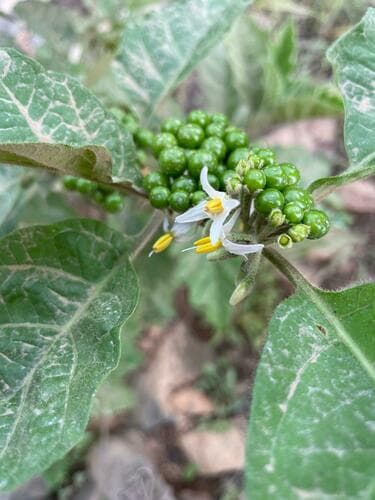
Solanum anomalum is a spiny shrub or small tree, often covered in stellate hairs. It produces clusters of small, white, star-shaped flowers with prominent yellow anthers, followed by spherical berries that ripen from green to red or orange.