Hazel Dodder
NameHazel Dodder
Scientific NameCuscuta coryli
Common NamesHazel Dodder, Dodder, Strangleweed
Plant FamilyConvolvulaceae
Natural HabitatFound parasitizing various woody and herbaceous plants, including hazel, in woodlands, forest edges, thickets, and disturbed areas. It often thrives in moist to wet soils.
Parts Usedwhole_plant
Medicinal Actionsdiuretic, astringent, antioxidant, anti-inflammatory
Traditional UsesTraditionally, various Cuscuta species have been used in herbal medicine to support liver function, treat jaundice, and alleviate urinary complaints. It has also been employed as a general tonic and applied externally for certain skin conditions.
Active Constituentsflavonoids, lignans, coumarins, polysaccharides
Preparation Methodsinfusion, decoction, powder
Contraindications & WarningsDue to its parasitic nature and potential for toxicity, dodder should be used with caution and under professional guidance. It is not recommended for pregnant or nursing women, or for prolonged internal use. May interact with certain medications.
Cultivation NotesAs a parasitic plant, Hazel Dodder cannot be cultivated independently; it requires a living host plant to survive and grow. It is often considered an agricultural weed and can be detrimental to crops.
Raritycommon
Description
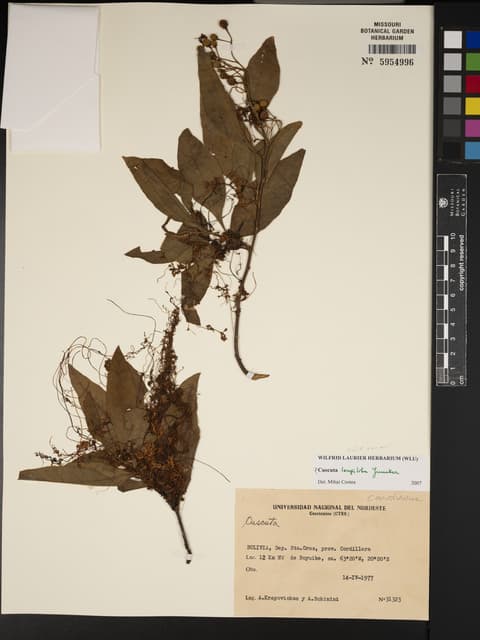
Hazel Dodder is a parasitic annual vine characterized by its slender, leafless, yellowish-orange to reddish stems that twine tightly around host plants. It produces clusters of small, white to cream-colored, bell-shaped flowers along its stems, typically appearing in late summer to fall.