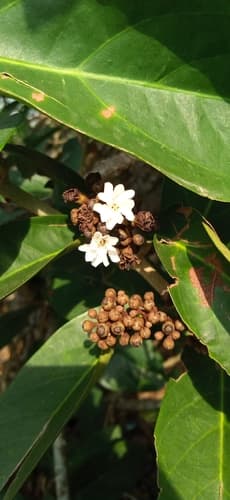
Hairy Mock-orange
NameHairy Mock-orange
Scientific NamePhiladelphus hirsutus
Common NamesHairy Mock-orange
Plant FamilyHydrangeaceae
Natural HabitatNative to the southeastern United States, Hairy Mock-orange typically grows in rocky woods, slopes, bluffs, and along stream banks, preferring well-drained soils and partial to full sun.
Parts Usedflower,leaf
Medicinal Actionsnervine, astringent
Traditional UsesWhile primarily cultivated as an ornamental plant for its attractive and fragrant flowers, some related *Philadelphus* species have been historically noted for minor traditional uses. The fragrant flowers might have been used for their pleasant aroma, potentially offering mild nervine properties. Leaves of some species have been used topically as a poultice for minor skin irritations, suggesting a mild astringent action. Specific, well-documented medicinal uses for *P. hirsutus* are limited.
Active Constituentsvolatile oils, tannins
Preparation Methodsinfusion, poultice
Contraindications & WarningsDue to the limited documented medicinal use of Hairy Mock-orange, specific contraindications are not well-established. General caution is advised, and it is not recommended for internal use without expert guidance.
Cultivation NotesHairy Mock-orange is a hardy and adaptable shrub, thriving in full sun to partial shade and well-drained soil. It is relatively drought-tolerant once established and can be pruned after flowering to maintain shape and promote vigorous growth.
Raritycommon
Description
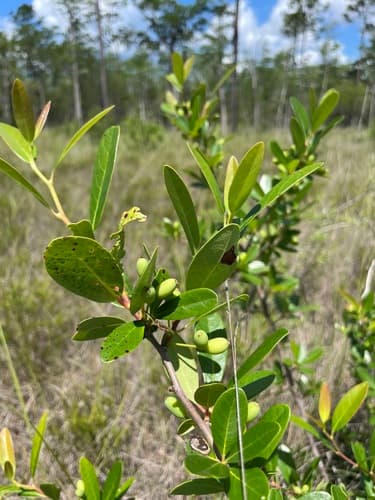
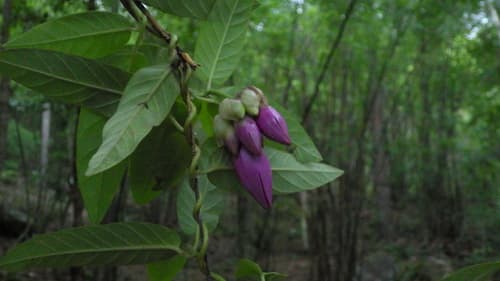
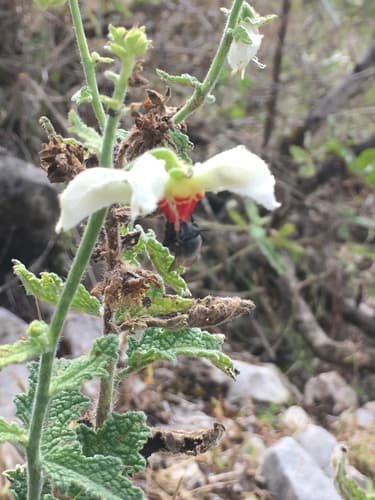
Hairy Mock-orange is a deciduous shrub characterized by its simple, opposite leaves and fragrant white flowers, typically with four petals and numerous yellow stamens. The plant's stems and leaves often exhibit a hairy or pubescent texture, giving it its common name.