Hairy Cestrum
NameHairy Cestrum
Scientific NameCestrum tomentosum
Common NamesHairy Cestrum, Jazmín de Noche Peludo
Plant FamilySolanaceae
Natural HabitatNative to Central and South America, it thrives in tropical and subtropical regions, often found in disturbed areas, forest edges, clearings, and along roadsides.
Parts Usedleaf,bark
Medicinal Actionsanti-inflammatory, antimicrobial
Traditional UsesTraditionally, some Cestrum species, including C. tomentosum, have been used externally in poultices or washes for skin conditions, wounds, and to reduce inflammation. It has also been used as a febrifuge in some folk medicine systems, though internal use is highly cautioned due to toxicity.
Active ConstituentsSteroidal saponins, cardiac glycosides, alkaloids
Preparation Methodspoultice, decoction, salve
Contraindications & WarningsAll parts of the plant, especially the berries, are highly toxic if ingested by humans and animals, causing gastrointestinal distress, neurological symptoms, and potentially death. Not for internal use. Avoid during pregnancy and lactation.
Cultivation NotesPrefers full sun to partial shade and well-drained soil. It is a fast-growing shrub that can tolerate a range of soil types and is relatively drought-tolerant once established. Propagated by seeds or cuttings.
Raritycommon
Description
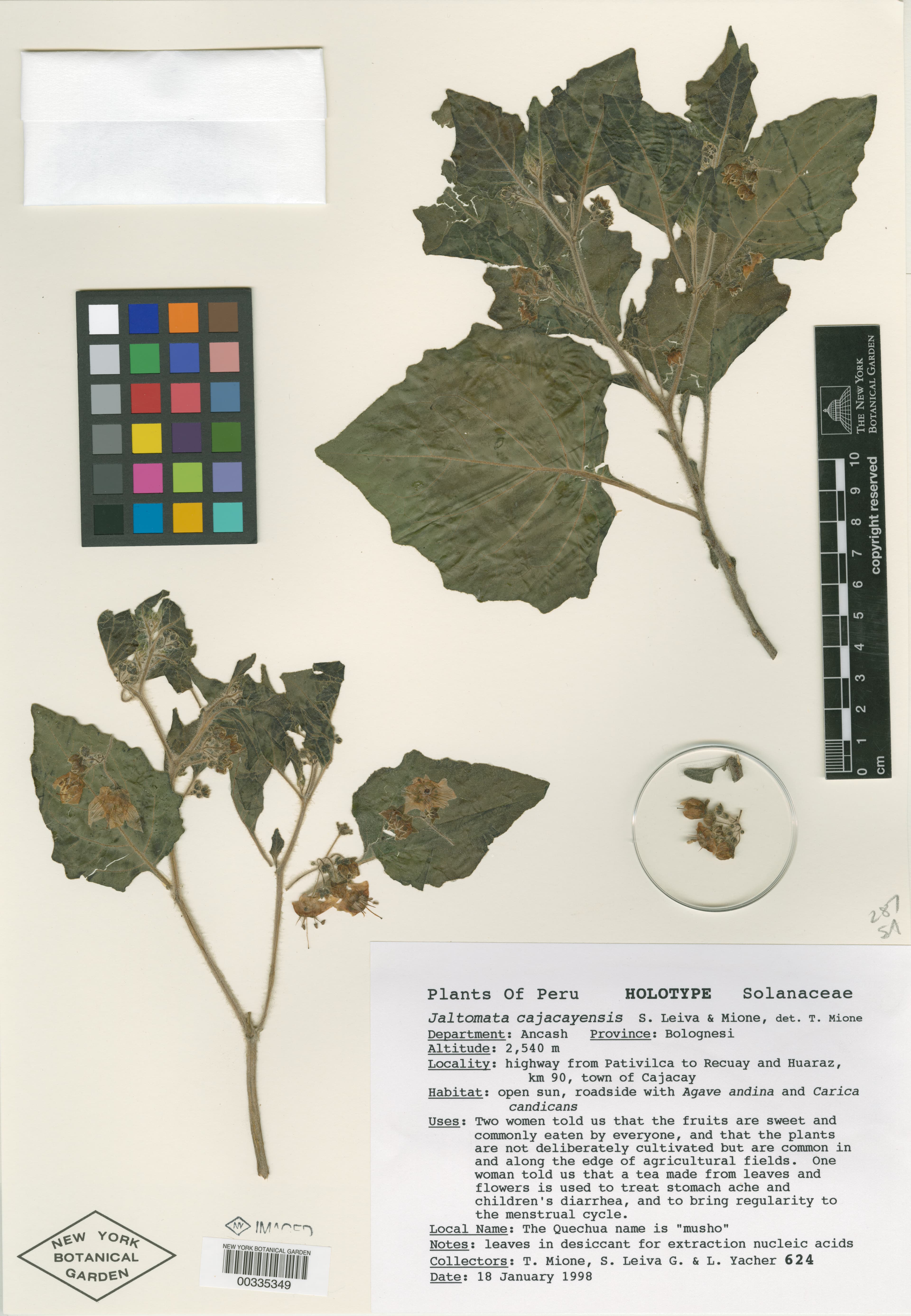
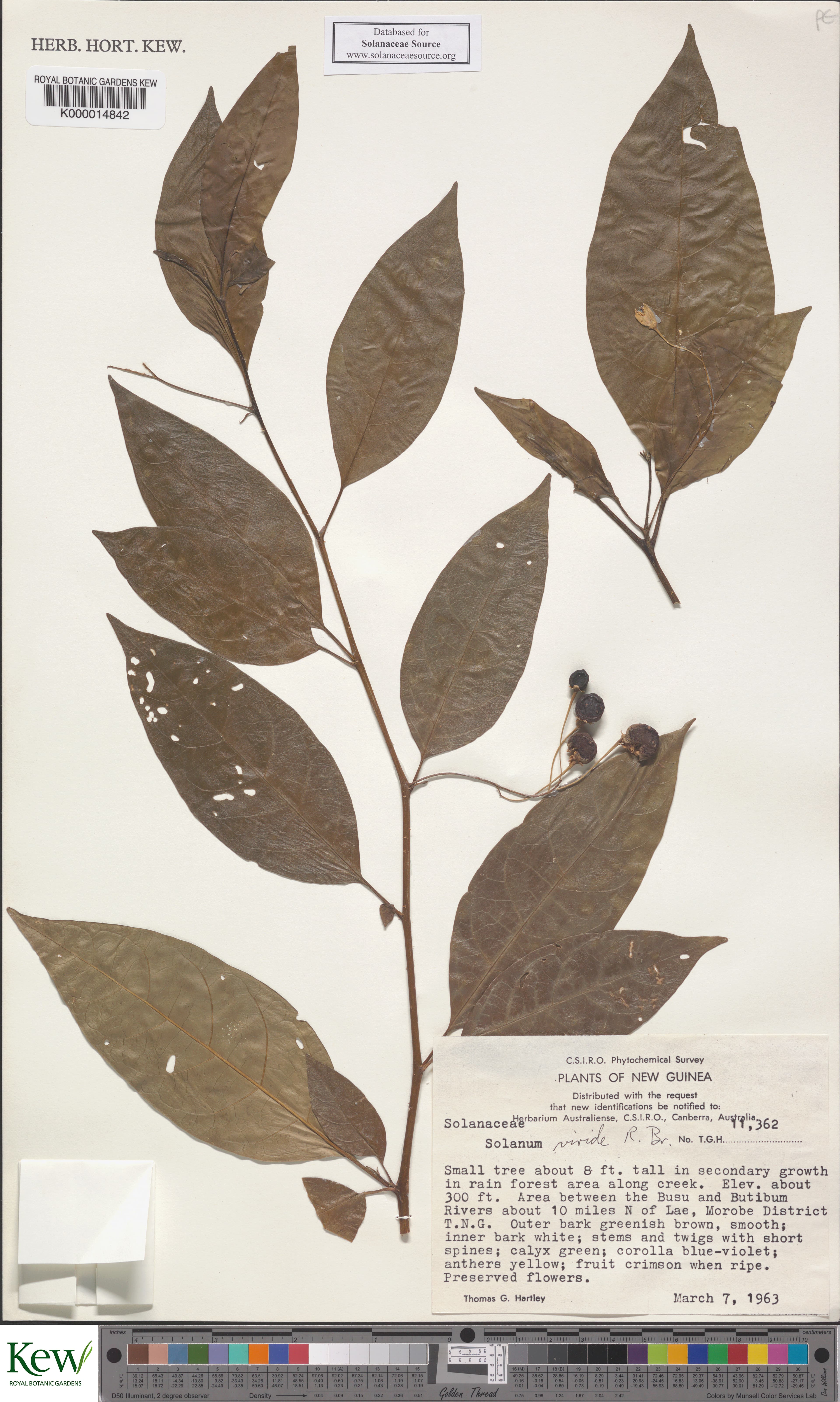
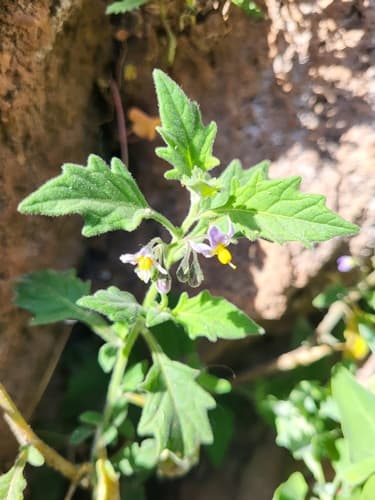
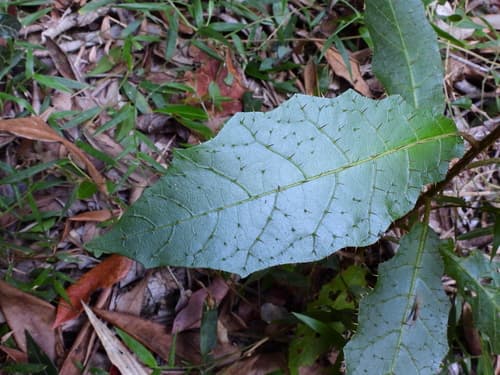
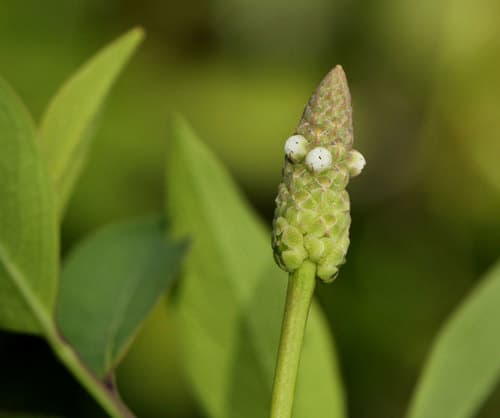
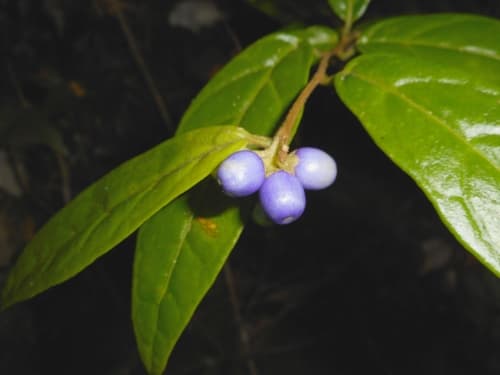
A shrub or small tree characterized by its hairy stems and leaves, and clusters of small, often purplish-white flowers that develop into small, round, purple berries. The leaves are simple, alternate, and typically ovate to lanceolate.