wedgewort
Namewedgewort
Scientific NamePiper sarmentosum
Common NamesWild Betel, Lolot Pepper, Piper lolot, Chaphlu, La Lot, Wedgewort
Plant FamilyPiperaceae
Natural HabitatNative to Southeast Asia, it thrives in moist, shaded areas, often found in forests, along riverbanks, and in disturbed areas. It prefers rich, well-drained soil.
Parts Usedleaf,root,fruit,whole_plant
Medicinal Actionsanti-inflammatory, antioxidant, antimicrobial, analgesic
Traditional UsesTraditionally used in Southeast Asian medicine for its anti-inflammatory properties, to relieve pain, treat fever, coughs, and digestive issues. The leaves are often chewed or used in poultices for skin conditions and muscle aches. It is also widely consumed as a culinary herb.
Active ConstituentsAlkaloids (e.g., N-isobutyl-2E,4E-decadienamide), Flavonoids (e.g., naringenin, quercetin), Phenolic compounds, Essential oils (e.g., beta-caryophyllene, limonene)
Preparation Methodsinfusion, decoction, poultice, powder
Contraindications & WarningsGenerally considered safe when consumed as food. No significant contraindications are widely reported for typical medicinal use, but pregnant or breastfeeding women should consult a healthcare professional. Large doses may cause mild gastrointestinal upset.
Cultivation NotesEasy to grow in warm, humid climates. Prefers partial shade and consistently moist, well-drained soil. Can be propagated by stem cuttings or division of roots. Sensitive to frost.
Raritycommon
Description
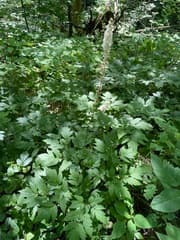
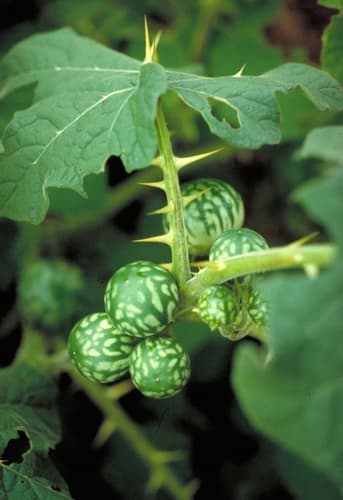
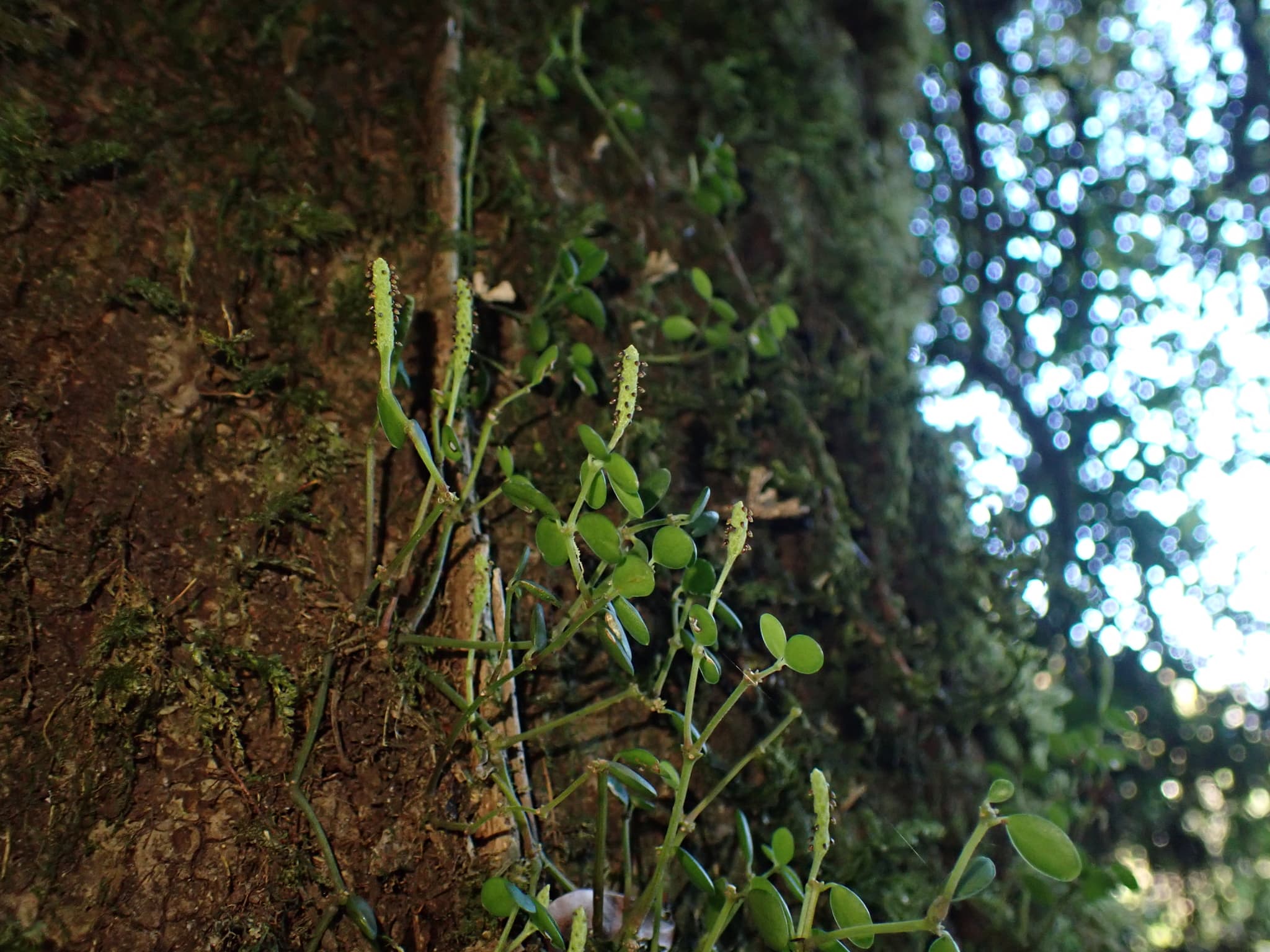
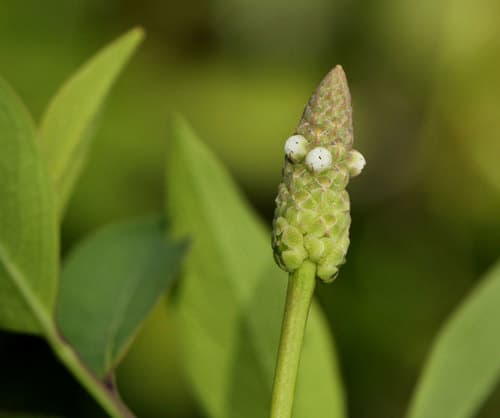
A perennial herbaceous plant characterized by heart-shaped, glossy green leaves and erect, dense spikes of small, developing fruits, as seen in the image. It typically grows as a groundcover or climbing vine in tropical and subtropical regions.