Sassafras
Image: Michal Klajban (CC BY-SA 4.0)
NameSassafras
Scientific NameSassafras albidum
Common NamesSassafras, White Sassafras, Red Sassafras, Mitten Tree
Plant FamilyLauraceae
Natural HabitatNative to eastern North America, it typically grows in open woods, forest edges, fields, and disturbed areas. It prefers moist, well-drained, acidic soils and is often found as an understory tree or pioneer species.
Parts Usedroot,bark,leaf,flower
Medicinal Actionsanti-inflammatory, antimicrobial, antioxidant, diuretic, carminative
Traditional UsesHistorically, sassafras root bark was used to make a tea for "thinning the blood," purifying the body, and treating various ailments like fevers, colds, rheumatism, and skin conditions. It was also employed as a diaphoretic and diuretic. The leaves were traditionally used as a thickener in gumbos and for their aromatic properties.
Active ConstituentsSafrole, tannins, mucilage, lignans, eugenol, pinene, camphor
Preparation Methodsinfusion, decoction, essential oil, powder
Contraindications & WarningsDue to the presence of safrole, which is a known carcinogen and hepatotoxin, internal use of sassafras root bark or oil is generally contraindicated and banned by the FDA for food use. It should not be used by pregnant or breastfeeding women, individuals with liver disease, or those on blood-thinning medications.
Cultivation NotesSassafras prefers full sun to partial shade and moist, well-drained, acidic soil. It is relatively easy to grow from seed or root cuttings and is tolerant of various soil types once established. It can be grown as a specimen tree or in a naturalized setting, providing attractive fall foliage.
Raritycommon
Description
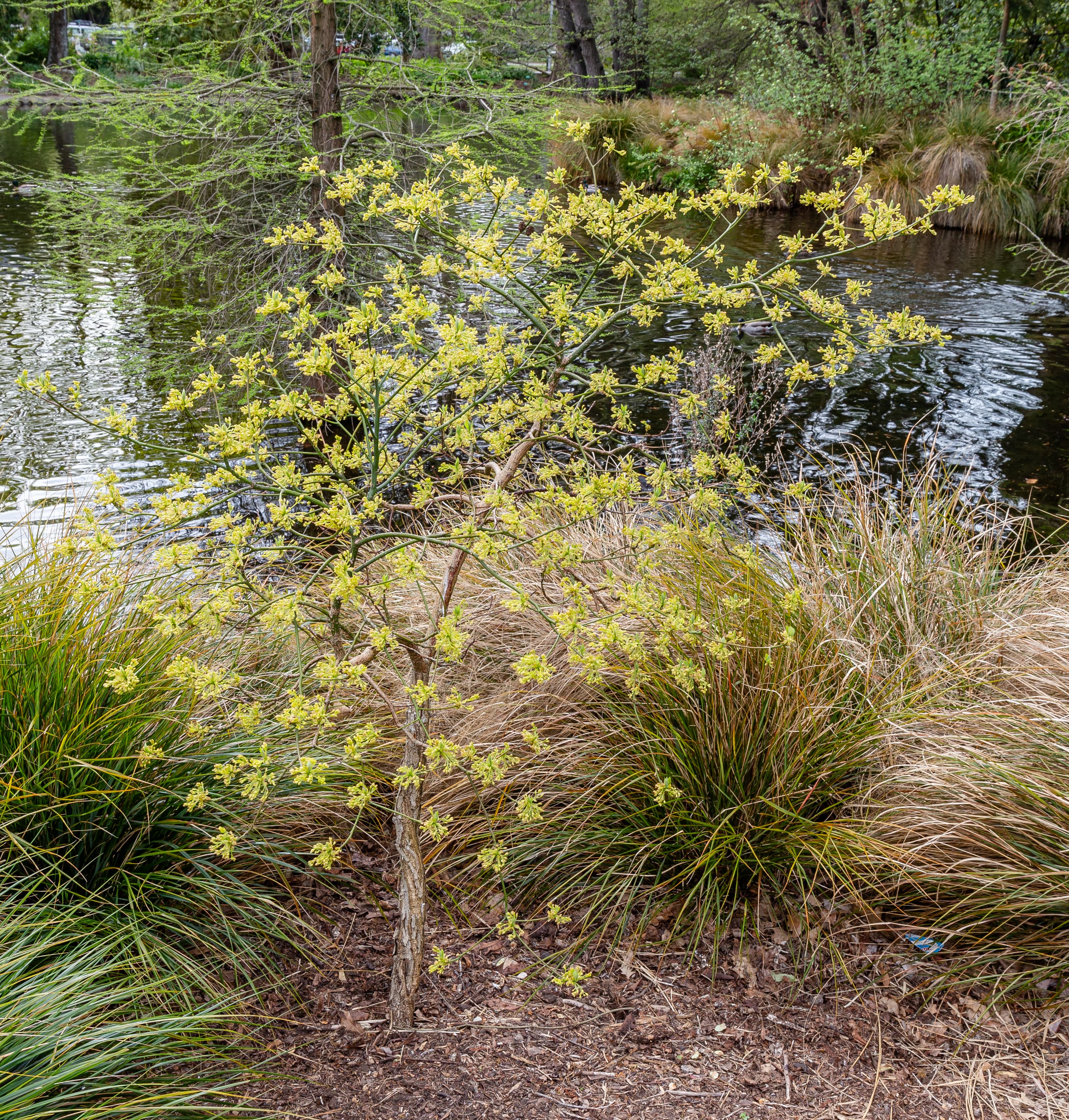
Sassafras albidum is a deciduous tree or large shrub known for its distinctive three-lobed "mitten" leaves, though leaves can also be oval or two-lobed. It produces clusters of small, yellowish-green flowers in early spring before the leaves emerge, followed by dark blue drupes. The bark is deeply furrowed and reddish-brown, emitting a characteristic spicy aroma when bruised.