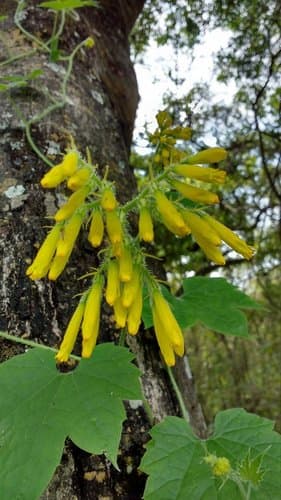
Gronovia longiflora
NameGronovia longiflora
Scientific NameGronovia longiflora
Common NamesChichicastle
Plant FamilyGronoviaceae
Natural HabitatNative to dry tropical forests, scrublands, and disturbed areas of Mexico and Central America, it typically grows as a climber on other vegetation or along roadsides and rocky slopes.
Parts Used
Traditional UsesSpecific traditional medicinal uses for Gronovia longiflora are not widely documented in ethnobotanical literature. The genus Gronovia is known for its stinging hairs, which can cause skin irritation, and some related species are anecdotally used as purgatives, though these uses are not well-attributed to G. longiflora.
Contraindications & WarningsDirect skin contact should be avoided due to the presence of stinging hairs, which can cause irritation and discomfort. Specific contraindications for internal use are not documented due to a lack of known medicinal applications.
Cultivation NotesAs an annual climbing vine, Gronovia longiflora thrives in warm climates with well-drained soil and requires support for its climbing habit. It is often found in disturbed areas, suggesting it can tolerate a range of soil conditions.
Raritycommon
Description
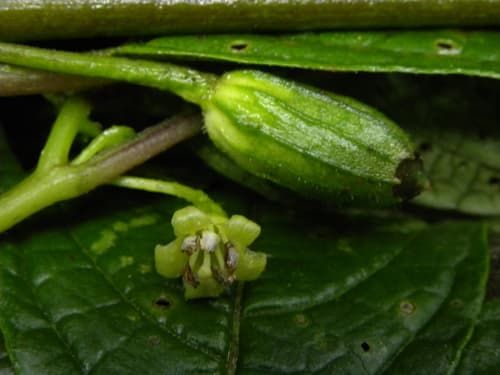
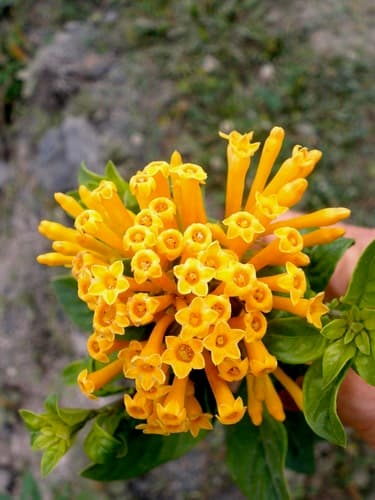
Gronovia longiflora is a herbaceous annual climbing vine characterized by its slender stems and palmately lobed, heart-shaped leaves, both often covered in stinging hairs. It produces striking terminal or axillary racemes of numerous elongated, tubular, bright yellow flowers, giving it a distinctive appearance.