Buck Honeythorn
NameBuck Honeythorn
Scientific NameLycium andersonii
Common NamesAnderson's Desert Thorn, Desert Thorn, Wolfberry
Plant FamilySolanaceae
Natural HabitatArid and semi-arid regions, including deserts, scrublands, and rocky slopes, often found in washes and canyons. Native to the southwestern United States and northern Mexico.
Parts Usedfruit,leaf,root
Medicinal Actionsantioxidant, anti-inflammatory
Traditional UsesTraditionally, the berries were consumed by indigenous peoples for their nutritional value and as a general tonic. Leaves and roots have also been used in some traditional remedies for various ailments, though specific documented uses for L. andersonii are less extensive than for other Lycium species.
Active Constituentspolysaccharides, carotenoids, flavonoids, betaine
Preparation Methodsinfusion, powder
Contraindications & WarningsGenerally considered safe when consumed as food. Caution advised for pregnant/nursing women and individuals with allergies to plants in the Solanaceae family.
Cultivation NotesThrives in full sun and well-drained, sandy or rocky soils. Drought-tolerant once established. Can be propagated by seed or cuttings and requires minimal water.
Raritycommon
Description
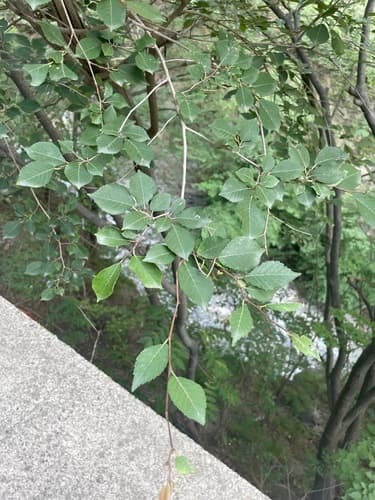
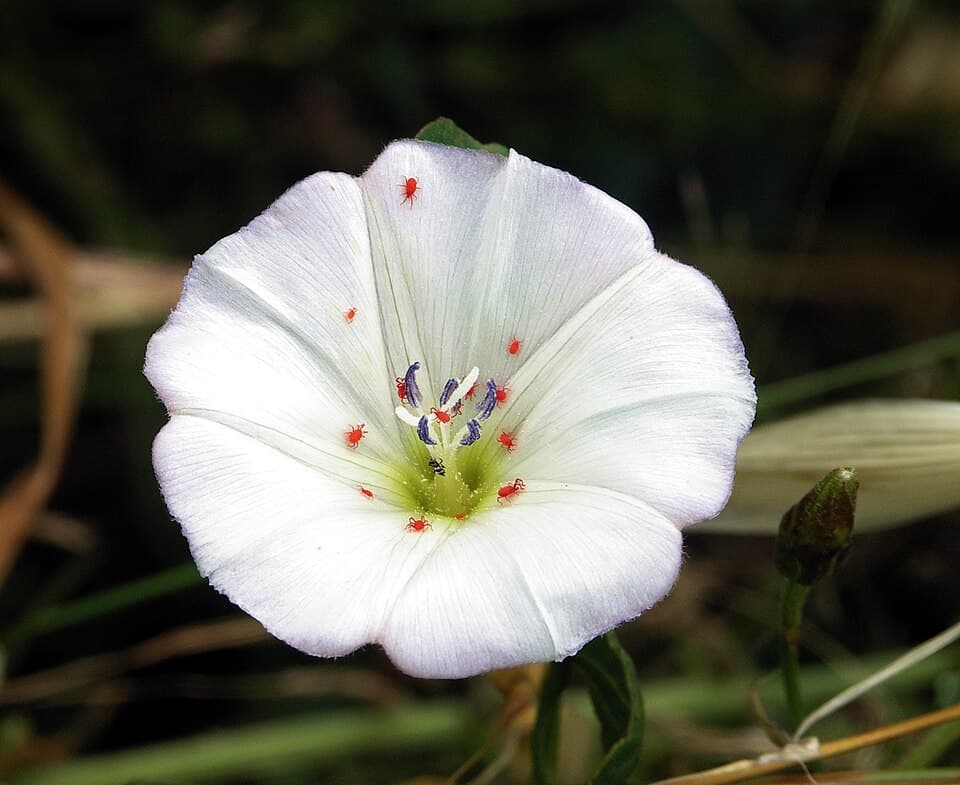
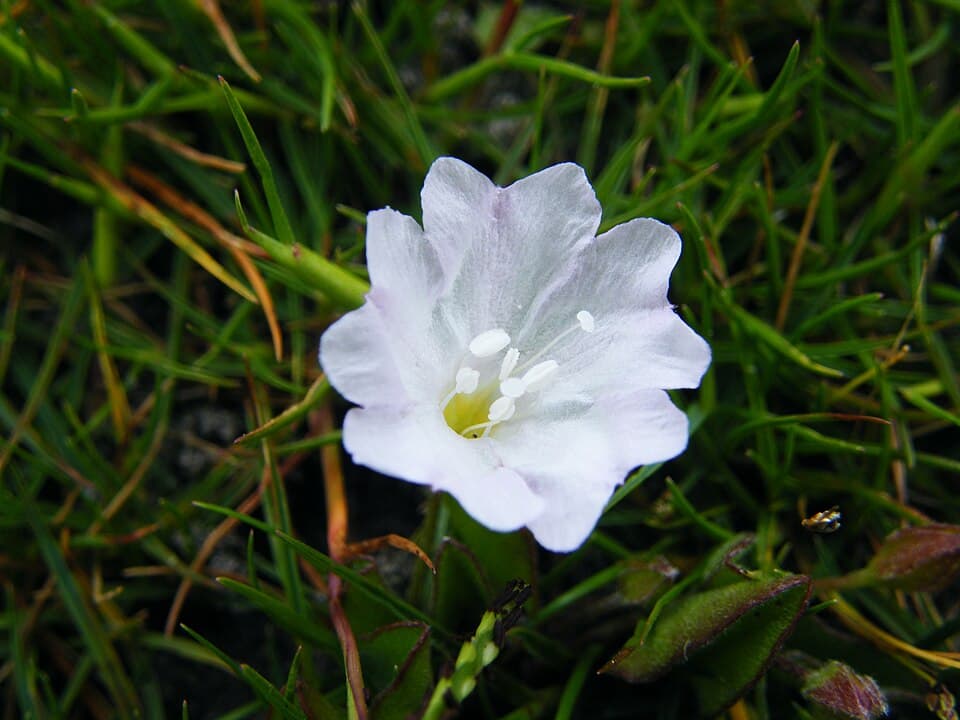
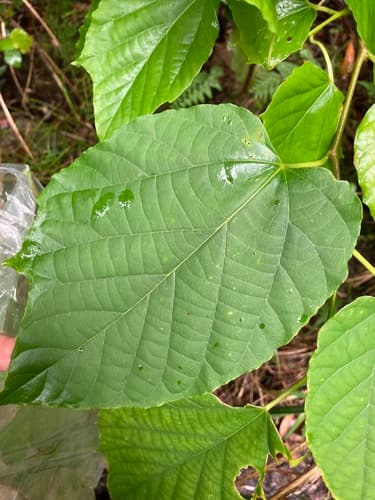
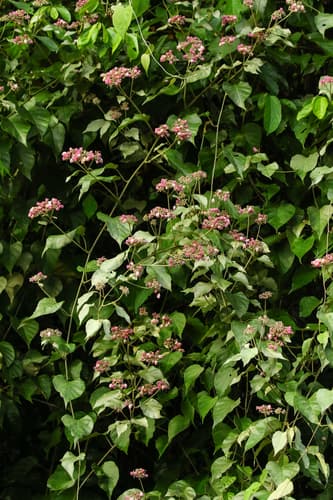
A thorny, deciduous shrub typically growing 1-3 meters tall, characterized by small, fleshy, obovate leaves and solitary, pale lavender to white tubular flowers with a greenish throat. It produces small, red, edible berries.