Chinese Bindweed
NameChinese Bindweed
Scientific NameConvolvulus chinensis
Common NamesChinese Bindweed, Field Bindweed
Plant FamilyConvolvulaceae
Natural HabitatCommonly found in disturbed areas such as fields, roadsides, waste grounds, and gardens. It thrives in full sun and various soil types, often considered a weed in agricultural settings.
Parts Usedwhole_plant,leaf,root
Medicinal Actionsdiuretic, anti-inflammatory, antimicrobial
Traditional UsesTraditionally, the plant has been used as a strong purgative and laxative, though this action can be harsh. It has also been applied externally as a poultice for skin conditions, wounds, and insect bites due to its anti-inflammatory and antimicrobial properties. Internally, it was sometimes used as a diuretic and for fevers.
Active ConstituentsGlycosides, Resins, Tannins, Flavonoids
Preparation Methodsinfusion, decoction, powder, poultice
Contraindications & WarningsDue to its potent purgative effects, Convolvulus chinensis can cause severe gastrointestinal upset, cramping, and dehydration. It is contraindicated for pregnant or breastfeeding women, individuals with gastrointestinal disorders, or those taking medications that may interact with laxatives. Use with extreme caution and under professional guidance due to potential toxicity.
Cultivation NotesThis plant is a vigorous and often invasive perennial, spreading readily by seeds and rhizomes. It prefers full sun exposure and well-drained soil, tolerating a wide range of conditions. It is generally not cultivated for ornamental or medicinal purposes due to its weed-like nature.
Raritycommon
Description
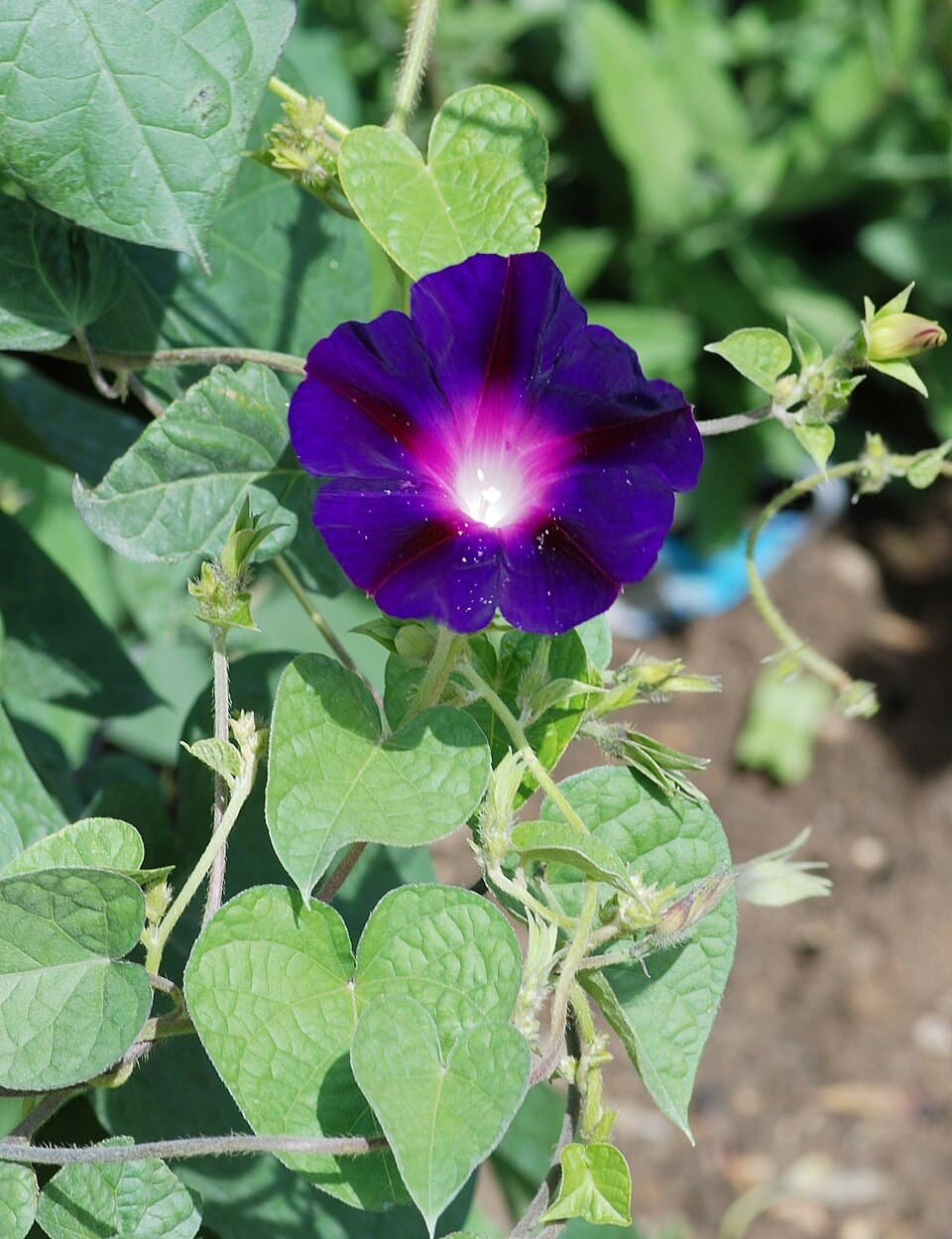
Convolvulus chinensis is a herbaceous perennial vine that typically sprawls or climbs, forming dense mats. It features numerous small, funnel-shaped flowers, predominantly pink with a lighter, often white, throat. The leaves are alternate, relatively narrow, and grow along slender, twining stems.