Glossy Nightshade
NameGlossy Nightshade
Scientific NameSolanum nigricans
Common NamesGlossy Nightshade, Shiny Nightshade
Plant FamilySolanaceae
Natural HabitatIt is often found in disturbed areas, agricultural fields, roadsides, and open woodlands, thriving in temperate to subtropical climates. It prefers moist, well-drained soils and can tolerate a range of light conditions.
Parts Usedleaf,whole_plant
Medicinal Actionsanti-inflammatory, analgesic, antimicrobial, antioxidant
Traditional UsesTraditionally, the leaves and whole plant have been used externally as a poultice or wash to treat skin inflammations, wounds, boils, and ulcers. Internally, due to its toxicity, it is used with extreme caution in some traditional systems for pain relief and as a diuretic, but this is highly risky and not generally recommended.
Active ConstituentsSolanine, Solamargine, Solasonine, Flavonoids, Saponins
Preparation Methodspoultice, infusion, decoction, salve
Contraindications & WarningsAll parts of the plant, especially unripe berries and leaves, contain toxic glycoalkaloids (e.g., solanine) and should not be ingested without expert guidance. Symptoms of poisoning include nausea, vomiting, diarrhea, abdominal pain, drowsiness, and neurological disturbances. Pregnant and breastfeeding women, and individuals with liver or kidney conditions, should avoid use.
Cultivation NotesSolanum nigricans is generally considered a weed in many regions, growing readily from seed in disturbed soils. It prefers full sun to partial shade and moderate water. It is not typically cultivated for medicinal purposes due to its toxicity and widespread wild growth.
Raritycommon
Description
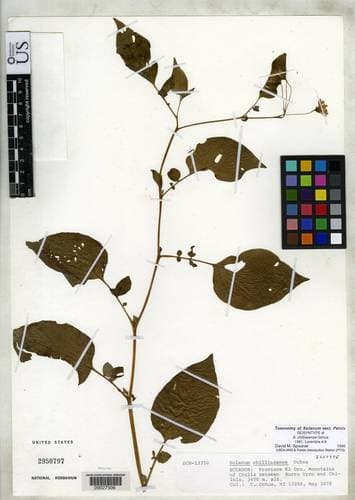
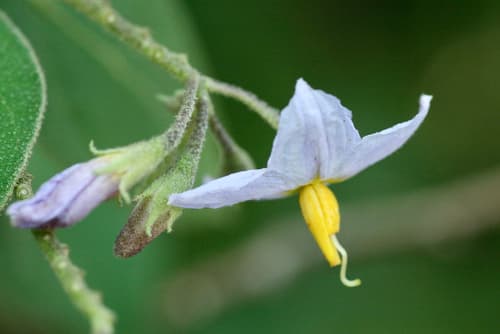
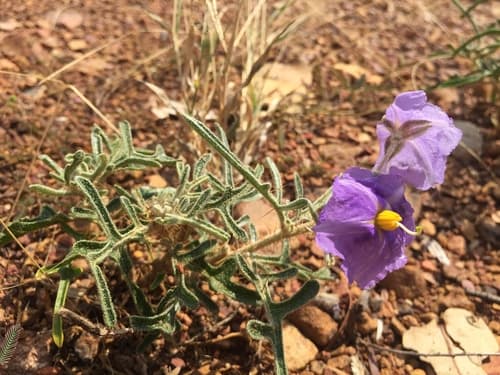
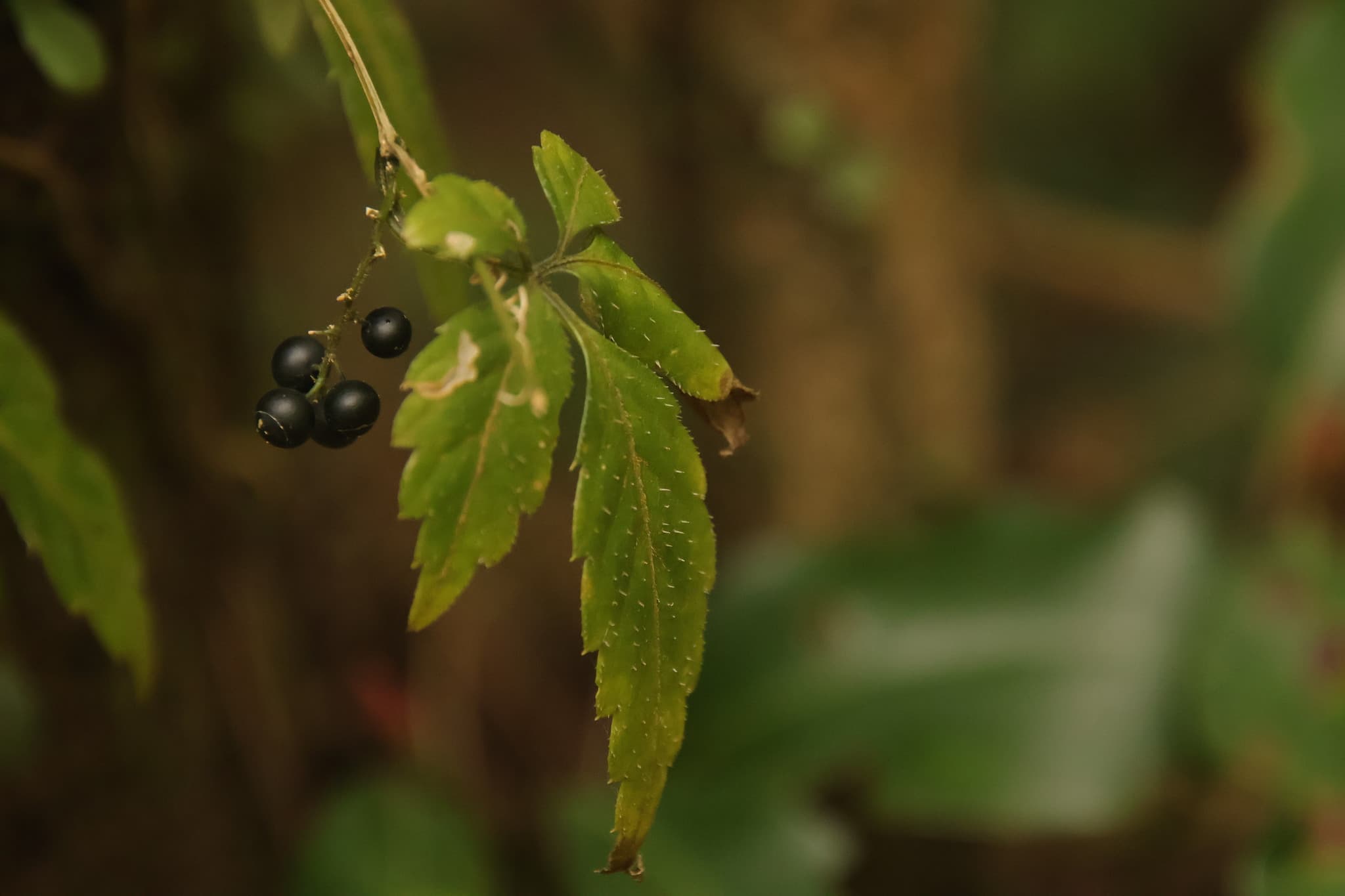
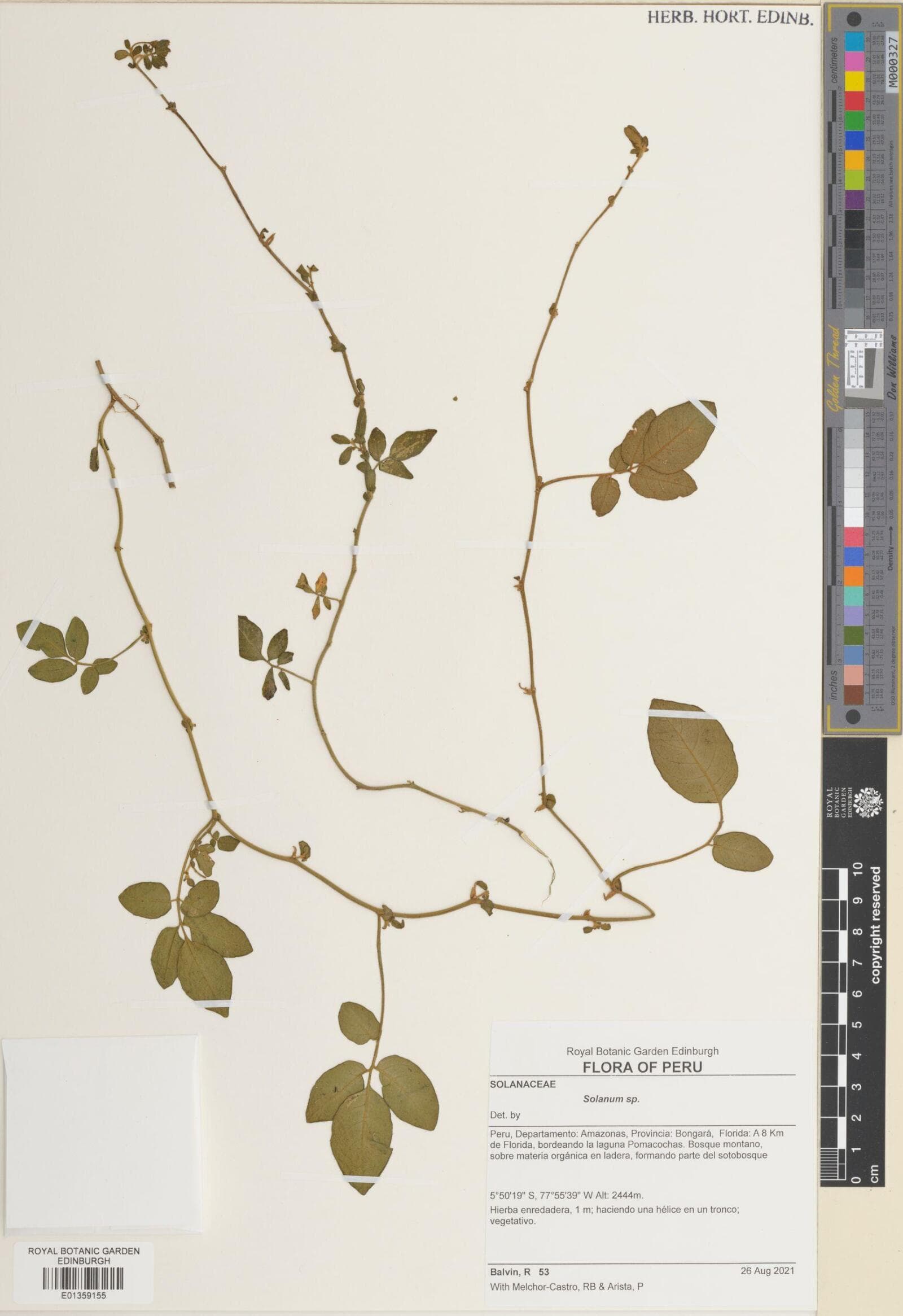
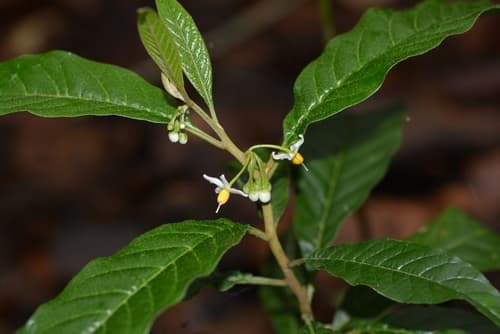
Solanum nigricans is an herbaceous plant characterized by its ovate to lanceolate leaves, often with wavy or toothed margins. It produces small, star-shaped white flowers with prominent yellow anthers, typically in clusters, followed by small berries.