Glossy Cestrum
NameGlossy Cestrum
Scientific NameCestrum laevigatum
Common NamesGlossy Cestrum, Inkberry, Green Cestrum, Jessamine
Plant FamilySolanaceae
Natural HabitatNative to tropical and subtropical regions of South America, it thrives in disturbed areas, forest margins, riparian zones, and often invades agricultural lands and natural ecosystems. It prefers full sun to partial shade and well-drained soil.
Parts Usedleaf,flower,fruit,bark
Medicinal Actionsanalgesic, anti-inflammatory, antimicrobial
Traditional UsesTraditionally, some indigenous communities in South America have used the leaves and bark externally for pain relief, fevers, and skin conditions. Internal use as a purgative or emetic has been documented but is highly dangerous due to severe toxicity and is not recommended.
Active ConstituentsSteroidal glycoalkaloids (e.g., solasodine, solamargine), Saponins
Preparation Methodspoultice, infusion
Contraindications & WarningsEXTREMELY TOXIC. All parts of the plant, especially the fruits and leaves, are poisonous and can cause severe gastrointestinal distress, neurological symptoms (tremors, convulsions), and death in humans and livestock. Absolutely contraindicated for internal use. Avoid contact with skin and eyes. Not for use by pregnant or lactating individuals, children, or anyone without expert medical supervision due to its high toxicity.
Cultivation NotesThis plant is easily cultivated in tropical and subtropical climates, preferring full sun to partial shade and well-drained soil. It can be invasive in many regions, outcompeting native vegetation and posing a risk to livestock.
Raritycommon
Description
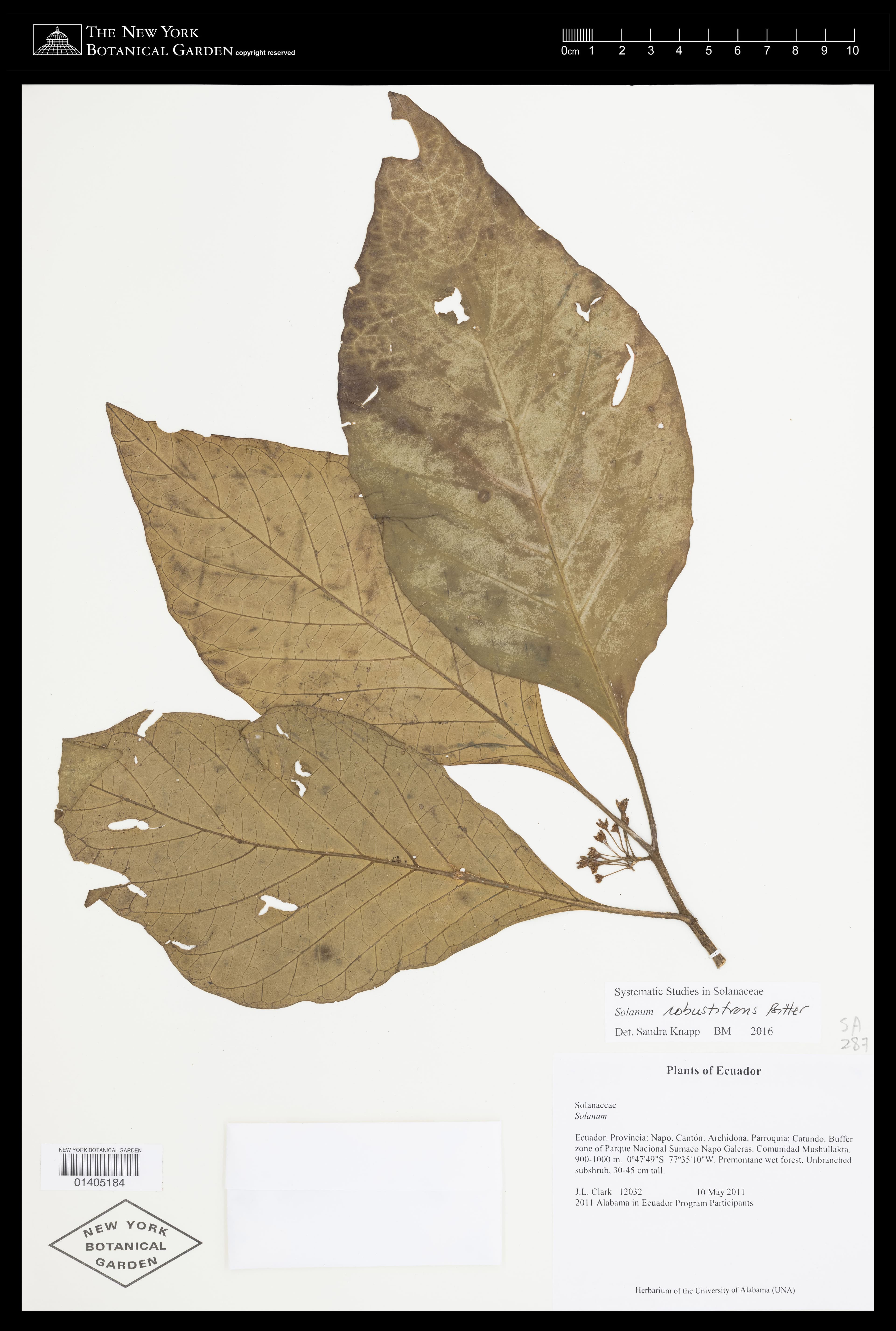
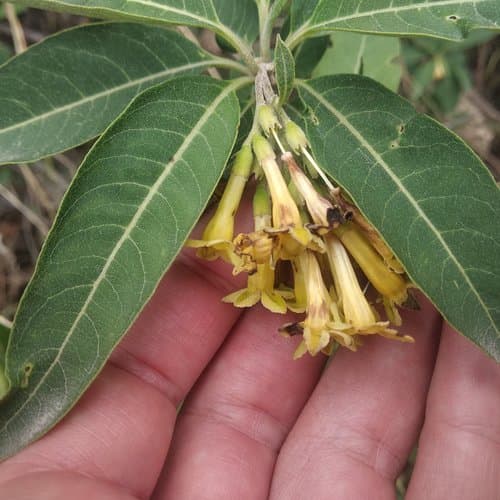
A fast-growing evergreen shrub or small tree, typically reaching 2-4 meters in height. It features glossy, lanceolate leaves with prominent veins and clusters of tubular, yellowish-green flowers that emit a strong fragrance, especially at night. The plant produces small, dark purple to black berries.