Oregano
NameOregano
Scientific NameOriganum vulgare
Common NamesWild Marjoram, Pot Marjoram, European Oregano
Plant FamilyLamiaceae
Natural HabitatNative to the Mediterranean region, Europe, and Western Asia, it thrives in dry, sunny, and rocky habitats, often found on hillsides, meadows, and open woodlands. It prefers well-drained soil.
Parts Usedleaf,flower
Medicinal Actionsanti-inflammatory, antimicrobial, antioxidant, carminative, expectorant
Traditional UsesTraditionally used for digestive issues like indigestion and bloating, respiratory conditions such as coughs and bronchitis, and as an antiseptic for minor wounds. It has also been used to support immune function and alleviate menstrual discomfort.
Active ConstituentsCarvacrol, Thymol, Rosmarinic acid, Terpenes
Preparation Methodsinfusion, decoction, tincture, essential oil, powder
Contraindications & WarningsMay interact with anticoagulant drugs due to its blood-thinning properties. High doses of oregano essential oil can be irritating to mucous membranes and should be used with caution, especially by pregnant or breastfeeding women. Individuals with allergies to plants in the Lamiaceae family (mint, thyme, basil) may experience allergic reactions.
Cultivation NotesOregano is a hardy plant that prefers full sun and well-drained soil. It is drought-tolerant once established and can be grown from seed, cuttings, or by dividing existing plants. Regular harvesting of leaves encourages bushier growth.
Raritycommon
Description
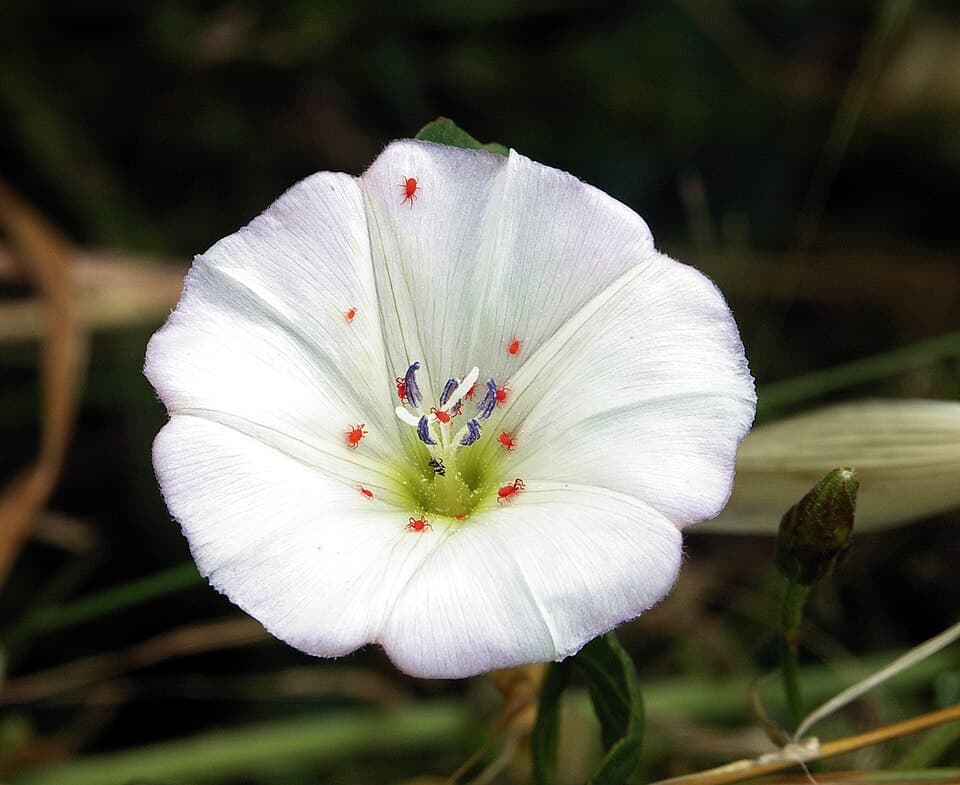
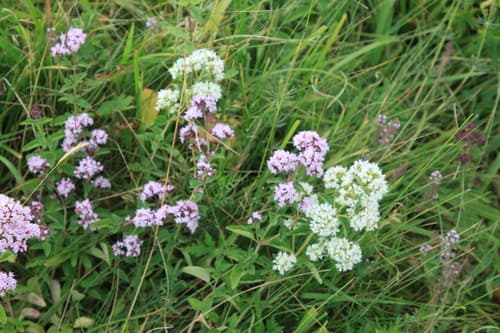
Oregano is a perennial herb characterized by its small, ovate leaves and clusters of tiny, often pinkish-purple or white flowers, as seen in the image. It typically grows to about 1-3 feet tall, forming bushy clumps. The plant has a distinctive aromatic scent, especially when its leaves are crushed.