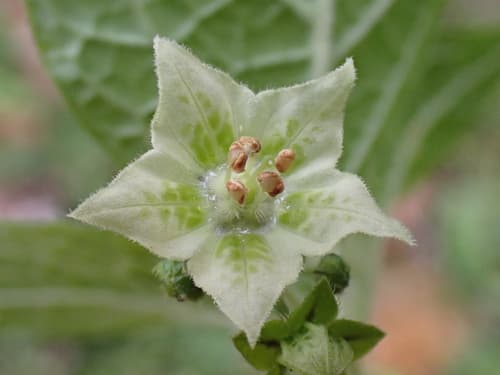
glaucousleaf cestrum
Image: Ingrid P. Lin (cc0)
Nameglaucousleaf cestrum
Scientific NameCestrum glaucophyllum Francey
Common Namesglaucousleaf cestrum
Plant FamilySolanaceae
Natural HabitatNative to dense forest environments at high altitudes, typically between 1600-1900 meters, in regions such as Junín, Peru.
Parts Usedleaf,flower
Traditional UsesSpecific traditional medicinal uses for *Cestrum glaucophyllum* are not widely documented. The genus *Cestrum* is generally known for containing toxic compounds, and while some species have been used in traditional medicine for various ailments (often externally or with extreme caution), internal use is typically discouraged due to potential toxicity.
Active Constituentssteroidal saponins, alkaloids, glycosides
Contraindications & WarningsDue to the known toxicity of many *Cestrum* species, internal use of *Cestrum glaucophyllum* is strongly contraindicated and potentially dangerous. Caution is advised even for external applications. Not recommended for pregnant or lactating individuals, children, or individuals with liver or kidney conditions.
Cultivation NotesAs a species found in high-altitude dense forests, it likely prefers a humid, subtropical to tropical climate with well-drained soil and partial shade. Specific cultivation requirements are not detailed.
Rarityuncommon
Description
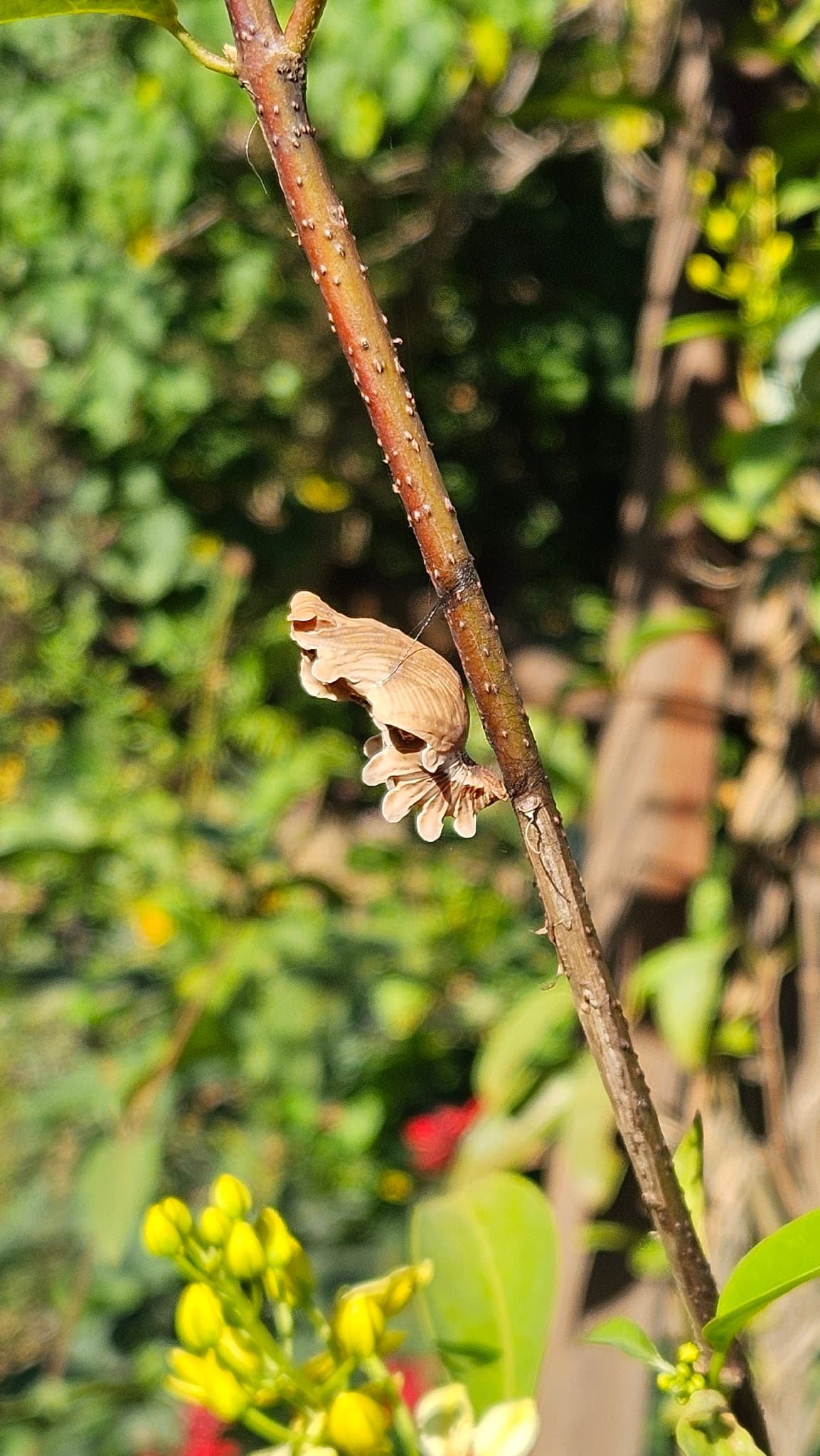
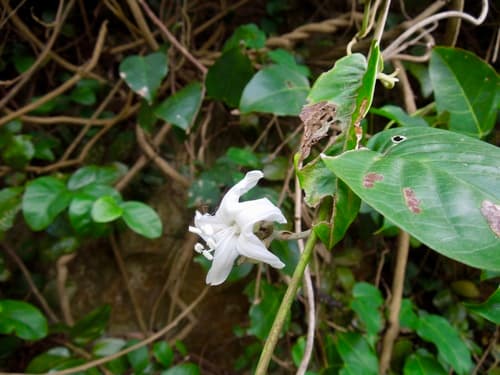
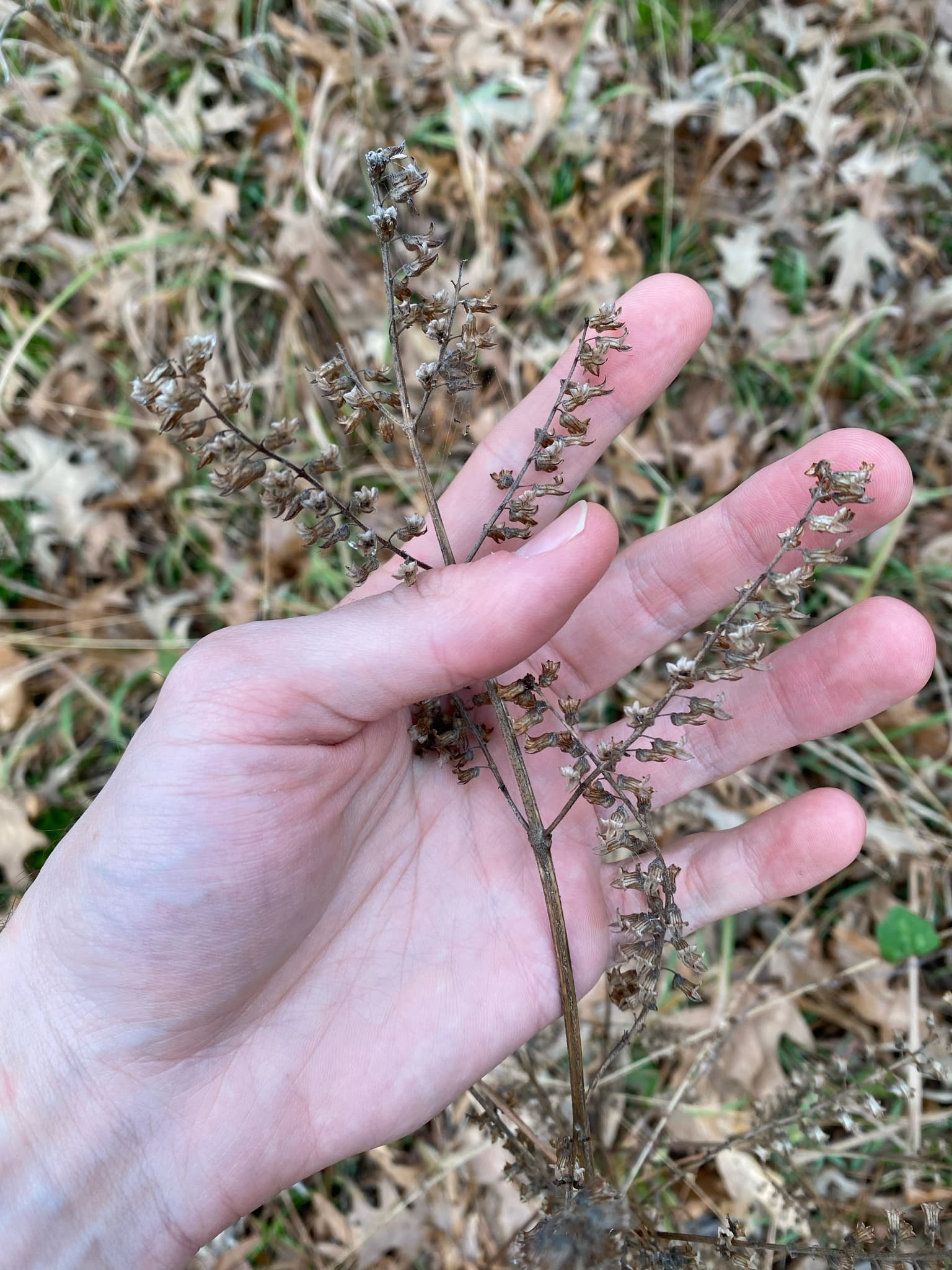
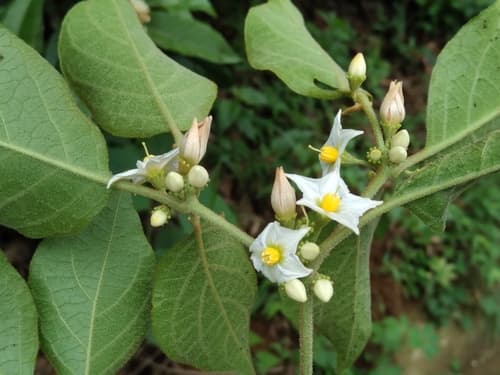
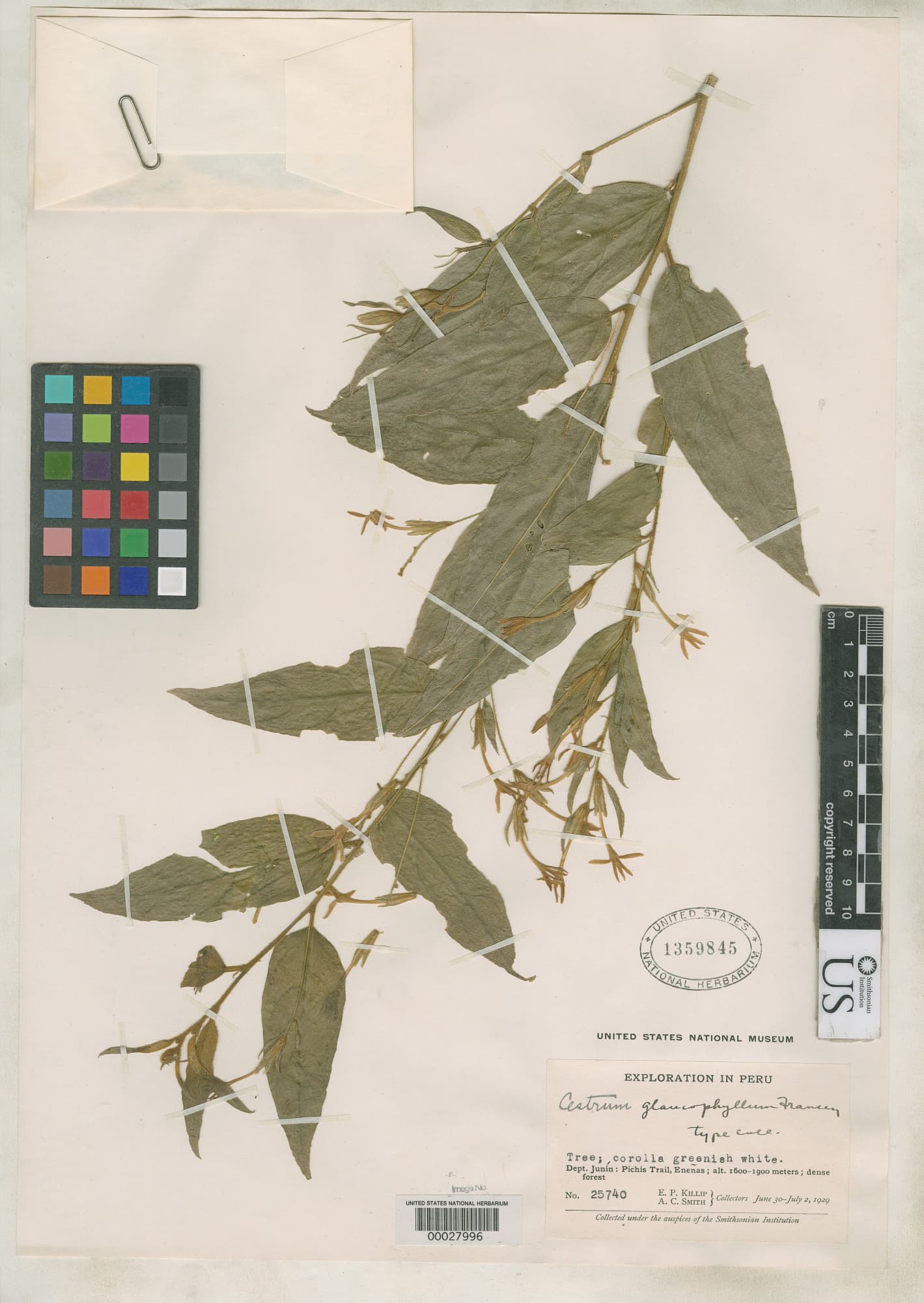
A tree species characterized by its glaucous, elongated leaves and small, greenish-white, tubular flowers. The specimen displays alternate leaf arrangement along the stem, with inflorescences emerging from the leaf axils.