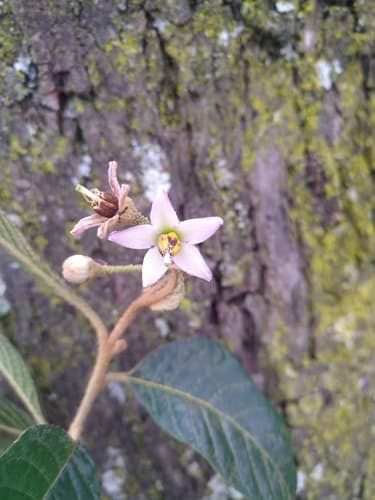
Glandbearing Cestrum
NameGlandbearing Cestrum
Scientific NameCestrum glanduliferum
Common NamesGlandbearing Cestrum, Glandular Cestrum
Plant FamilySolanaceae
Natural HabitatNative to tropical and subtropical regions of Central and South America, often found in disturbed areas, forest edges, and secondary growth.
Parts Usedleaf,flower
Medicinal Actionsanti-inflammatory, analgesic
Traditional UsesTraditionally, some Cestrum species have been used topically for pain relief, inflammation, and skin conditions. However, Cestrum glanduliferum is primarily known for its toxicity, and internal use is strongly discouraged due to the presence of toxic compounds.
Active Constituentssteroidal saponins, alkaloids, glycosides
Preparation Methodspoultice, salve
Contraindications & WarningsAll parts of Cestrum glanduliferum are considered toxic if ingested, potentially causing gastrointestinal upset, neurological symptoms, and cardiac issues. It should not be used internally. Topical use should be approached with caution due to potential skin irritation or absorption of toxic compounds. Pregnant and breastfeeding women, children, and individuals with liver or kidney conditions should strictly avoid use.
Cultivation NotesGrows well in tropical to subtropical climates, preferring full sun to partial shade and well-drained soil. It can be propagated by seeds or cuttings.
Raritycommon
Description
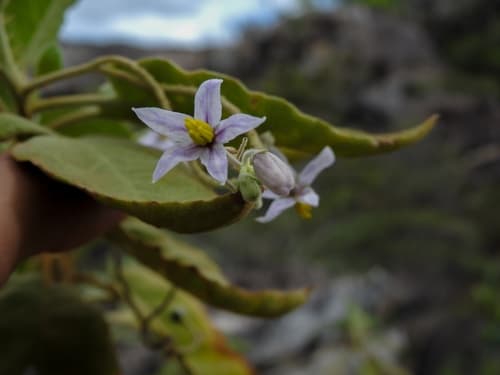
Cestrum glanduliferum is a shrub or small tree characterized by its dark green, simple leaves and clusters of small, tubular, pale greenish-white flowers. The flowers typically have five pointed lobes and are often fragrant, especially at night.