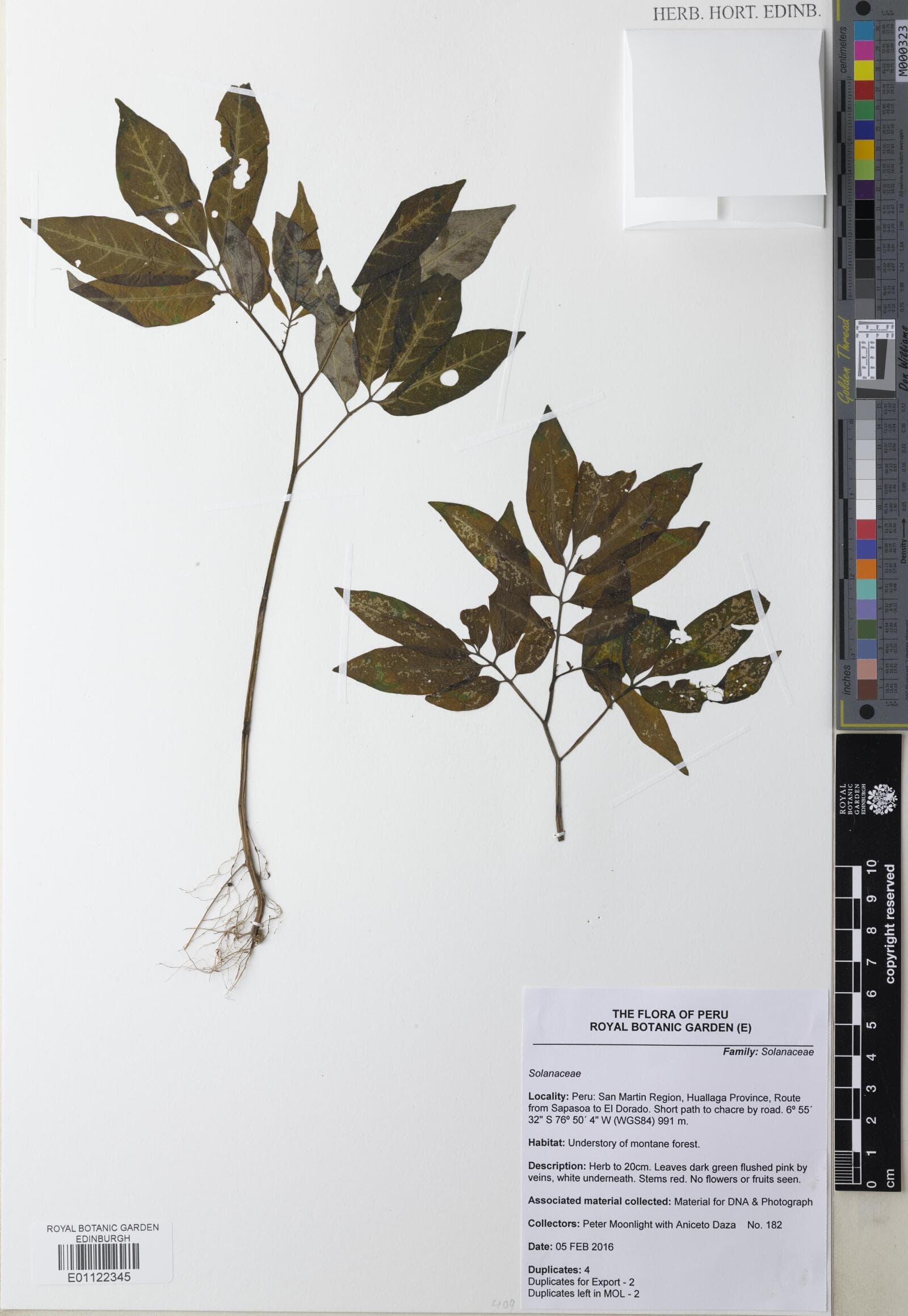
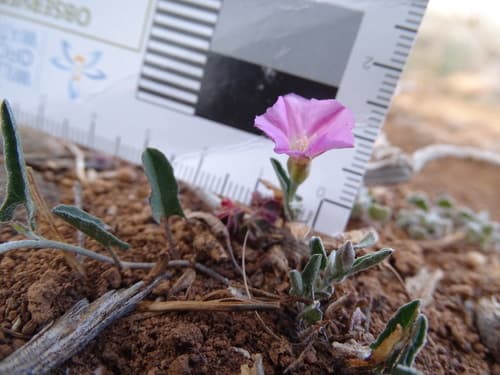
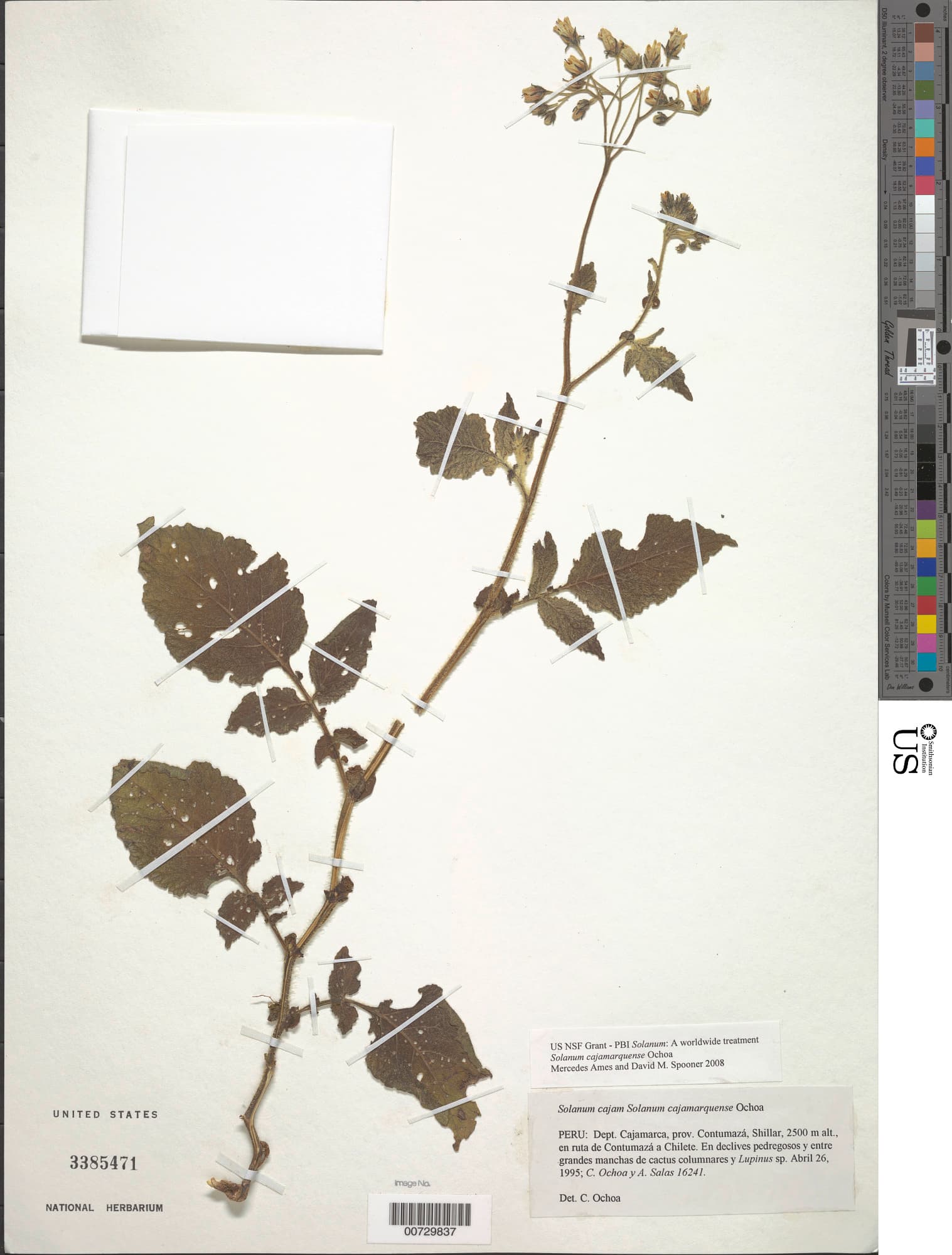
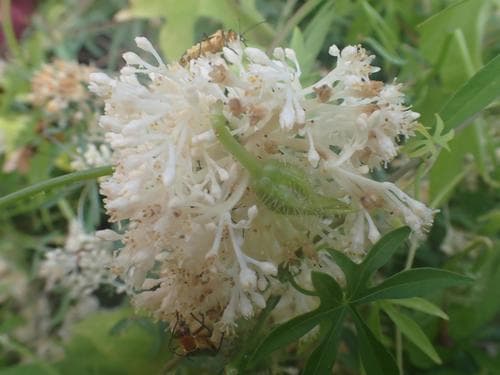
Fremont's desert-thorn
NameFremont's desert-thorn
Scientific NameLycium fremontii
Common NamesFremont's desert-thorn, Fremont boxthorn
Plant FamilySolanaceae
Natural HabitatThis plant thrives in deserts and arid environments of the southwestern United States and northern Mexico. It is commonly found in washes, canyons, rocky slopes, and desert flats, preferring well-drained soils.
Parts Usedfruit,leaf
Medicinal Actionsantioxidant, anti-inflammatory, antimicrobial
Traditional UsesThe berries of Fremont's desert-thorn were a significant food source for various Native American tribes, eaten fresh, dried, or made into drinks. Traditionally, the leaves were sometimes used to make a mild tea for general wellness or applied topically as a poultice for minor skin irritations and sores.
Active ConstituentsCarotenoids, Polysaccharides, Vitamin C, Flavonoids
Preparation Methodsinfusion, powder, poultice
Contraindications & WarningsGenerally considered safe when consumed as food. However, as with other *Lycium* species, individuals on blood-thinning medications (like warfarin) should exercise caution due to potential interactions, though this is less documented for *L. fremontii* specifically.
Cultivation NotesFremont's desert-thorn is highly drought-tolerant and prefers full sun exposure. It requires well-drained soil and minimal water once established, making it suitable for xeriscaping in desert climates. It can be propagated from seeds or cuttings.
Raritycommon
Description
Fremont's desert-thorn is a thorny, deciduous shrub native to arid regions, characterized by its small, fuzzy, gray-green leaves. It produces tubular, purple flowers that bloom in spring, followed by small, bright red, edible berries.