Foxglove
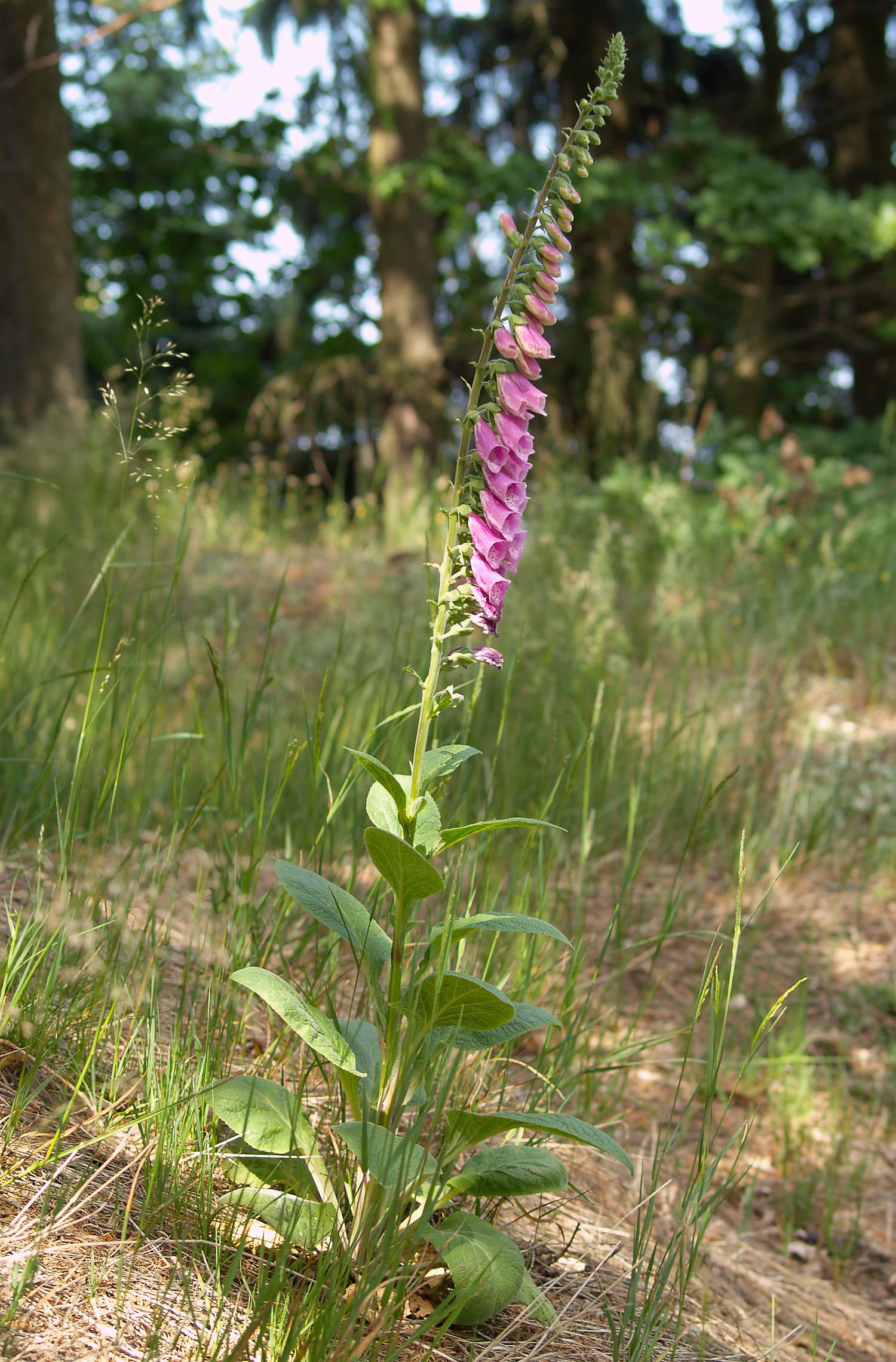
Image: Jörg Hempel (CC BY-SA 3.0 de)
NameFoxglove
Scientific NameDigitalis purpurea
Common NamesFoxglove, Purple Foxglove, Lady's Glove
Plant FamilyPlantaginaceae
Natural HabitatNative to temperate regions of Europe, it thrives in woodlands, forest clearings, heathland, and along roadsides, preferring acidic soils and partial shade.
Parts Usedleaf
Medicinal Actionsdiuretic
Traditional UsesHistorically, Foxglove was used to treat dropsy (edema) due to its diuretic properties, and later, its profound effect on the heart was discovered. It became the source of digitoxin and digoxin, crucial medications for congestive heart failure and certain arrhythmias, though its use requires extreme caution due to its narrow therapeutic window and high toxicity.
Active Constituentsdigitoxin, digoxin, cardiac glycosides
Preparation Methodspowder, tincture
Contraindications & WarningsExtremely toxic; all parts of the plant are poisonous. Should never be used as a self-medication or in unsupervised herbal preparations. Contraindicated in various heart conditions, electrolyte imbalances, and in conjunction with numerous medications. Symptoms of poisoning include nausea, vomiting, diarrhea, headache, visual disturbances, and severe cardiac arrhythmias.
Cultivation NotesGrows well in partial shade to full sun, in well-drained, acidic to neutral soil. It is a biennial, flowering in its second year, and readily self-seeds. Can be grown from seed or transplanted.
Raritycommon
Description
Digitalis purpurea is a biennial herbaceous plant characterized by a tall spike of bell-shaped, purple (or sometimes white/pink) flowers, often with spotted interiors. It forms a basal rosette of large, downy leaves in its first year, from which the flowering stalk emerges in the second.