Caiophora buraeavii
NameCaiophora buraeavii
Scientific NameCaiophora buraeavii
Common NamesOrtiga brava, Mountain Nettle
Plant FamilyLoasaceae
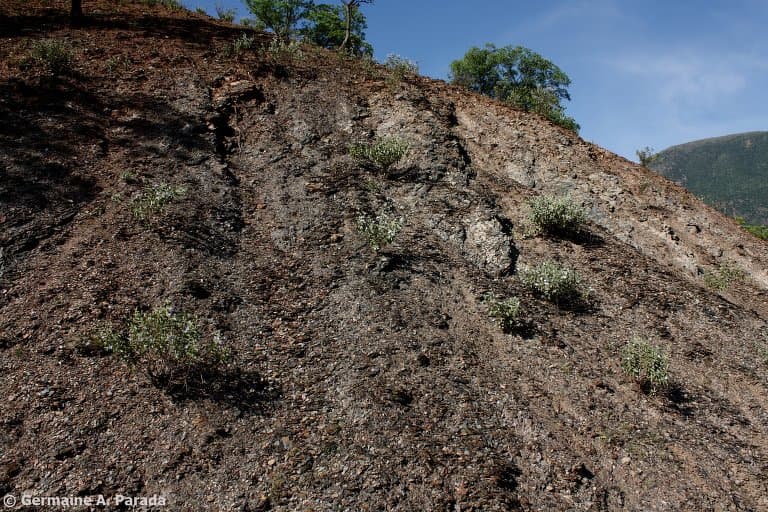
Natural HabitatNative to the high-altitude Andean regions of South America, particularly Bolivia and Peru. It thrives in rocky, arid to semi-arid montane environments, often found at elevations between 3000-4500 meters.
Parts Usedwhole_plant,leaf
Medicinal Actionsanalgesic, anti-inflammatory
Traditional UsesTraditionally, the stinging hairs of Caiophora species, including Caiophora buraeavii, are used externally as a counter-irritant to alleviate rheumatic pain, arthritis, and muscle aches. The intentional application of the stinging plant is believed to stimulate blood flow and reduce deeper pain.
Active ConstituentsAlkaloids, Flavonoids, Triterpenes
Preparation Methodspoultice, decoction, infusion
Contraindications & WarningsSevere skin irritation and pain from stinging hairs (glochids). Internal use is not well-studied and should be avoided due to potential toxicity; specific dosages and safety data are lacking. Not recommended for pregnant/nursing women or young children.
Cultivation NotesRequires well-drained, rocky or sandy soil and full sun exposure. It is adapted to high-altitude, cold, and dry conditions, making it challenging to cultivate outside its specific native habitat.
Rarityuncommon
Description
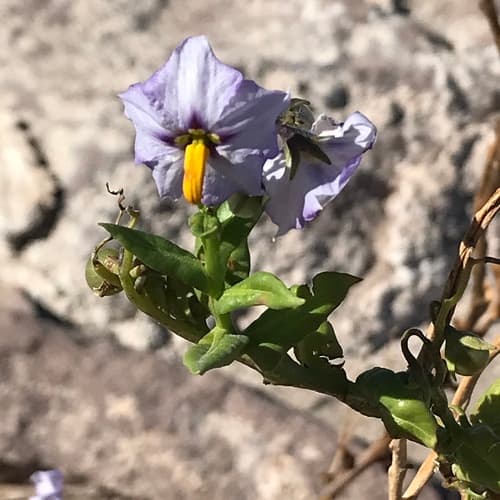
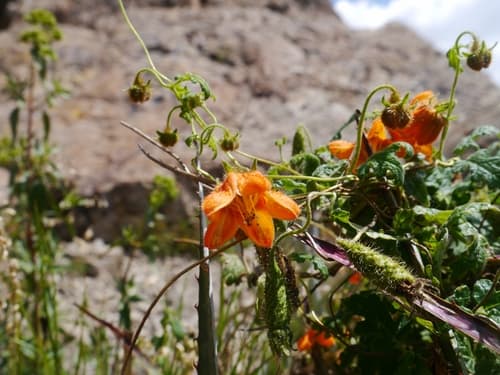
This perennial herbaceous climber is characterized by its vibrant orange, bell-shaped flowers and often deeply lobed leaves. The plant is typically covered in stinging hairs (glochids) that can cause significant skin irritation upon contact.