Forked Nightshade
NameForked Nightshade
Scientific NameSolanum furcatum
Common NamesForked Nightshade, Hairy Nightshade, Cutleaf Nightshade
Plant FamilySolanaceae
Natural HabitatNative to South America, but widely naturalized in disturbed areas, gardens, agricultural fields, roadsides, and waste ground in temperate regions worldwide. It prefers moist, fertile soils and full sun to partial shade.
Parts Usedleaf,fruit
Medicinal Actionsanalgesic, anti-inflammatory, sedative
Traditional UsesHistorically, some *Solanum* species, including those similar to Forked Nightshade, have been used externally for skin inflammations, boils, and wounds. Internally, with extreme caution and high risk, it has been used for pain relief or as a sedative, but this practice is highly dangerous due to the plant's toxicity.
Active ConstituentsSolanine, Solamargine, Chaconine, Saponins
Preparation Methodspoultice, salve
Contraindications & WarningsALL parts of the plant are considered toxic, especially unripe berries. Internal use is highly discouraged and potentially fatal. Symptoms of poisoning include nausea, vomiting, diarrhea, abdominal pain, headache, dizziness, dilated pupils, and in severe cases, paralysis and death. Pregnant and breastfeeding women, children, and individuals with liver or kidney conditions should strictly avoid. Interacts with anticholinergic drugs.
Cultivation NotesGrows easily from seed in disturbed soils. Tolerates a range of soil types but prefers moist, fertile conditions. Can become a common weed in gardens and agricultural areas.
Raritycommon
Description
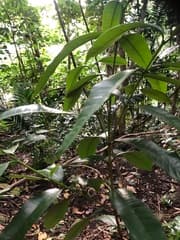
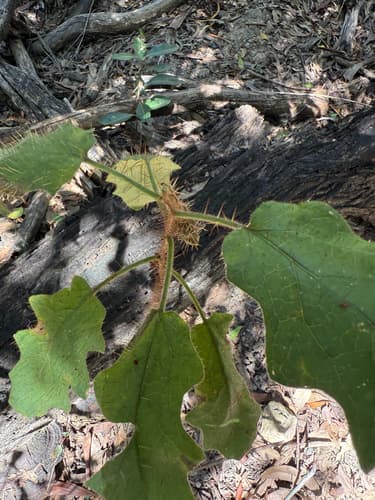

An annual or short-lived perennial herb, often sprawling or climbing, with hairy stems and leaves. It produces small, star-shaped flowers, typically white to pale purple, with prominent yellow anthers, followed by small green berries that ripen to black.