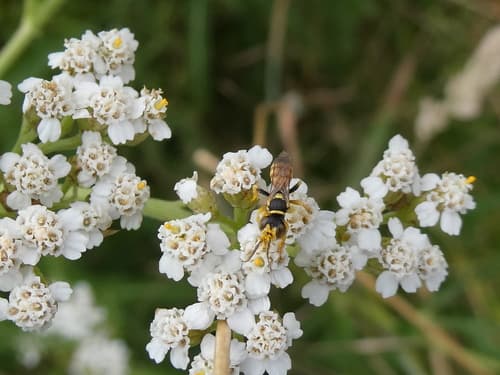
Yarrow
NameYarrow
Scientific NameAchillea millefolium
Common NamesYarrow, Common Yarrow, Milfoil, Soldier's Woundwort, Nosebleed Plant
Plant FamilyAsteraceae
Natural HabitatNative to temperate regions of the Northern Hemisphere, Yarrow thrives in meadows, pastures, roadsides, and disturbed areas. It is highly adaptable to various soil types, preferring full sun.
Parts Usedflower,leaf,whole_plant
Medicinal Actionsanti-inflammatory, antimicrobial, astringent, carminative, diuretic, expectorant, nervine, analgesic, antioxidant
Traditional UsesTraditionally, Yarrow has been used to stop bleeding, reduce fever, alleviate cold and flu symptoms, and soothe digestive complaints. It is also applied topically for wounds, skin irritations, and to reduce inflammation.
Active ConstituentsSesquiterpene lactones, Volatile oils (chamazulene, camphor), Flavonoids (apigenin, luteolin), Alkaloids (achilleine), Coumarins, Tannins
Preparation Methodsinfusion, decoction, tincture, poultice, powder, salve
Contraindications & WarningsAvoid during pregnancy due to potential uterine stimulant effects. May cause allergic reactions in individuals sensitive to the Asteraceae family (e.g., ragweed, chamomile). Can increase photosensitivity and may interact with blood-thinning medications.
Cultivation NotesEasily grown from seed or division in full sun and well-drained soil. It is drought-tolerant once established and can become invasive if not managed. Deadhead spent flowers to encourage more blooms and prevent excessive self-seeding.
Raritycommon
Description
Yarrow is a hardy perennial herb characterized by its finely dissected, fern-like leaves and flat-topped clusters of small white (sometimes pink) flowers. It typically grows to about 2-3 feet tall and emits a distinct aromatic scent when crushed.