Winged Elm
NameWinged Elm
Scientific NameUlmus alata
Common NamesWinged Elm, Cork Elm, Wahoo Elm
Plant FamilyUlmaceae
Natural HabitatNative to the southeastern and south-central United States, Winged Elm thrives in a variety of habitats, from dry uplands to moist bottomlands. It is commonly found in forests, fields, and along stream banks.
Parts Usedbark
Medicinal Actionsdemulcent, astringent
Traditional UsesHistorically, the inner bark of Winged Elm, similar to Slippery Elm, was used by Native Americans and early settlers for its demulcent properties. It was applied externally as a poultice for wounds, burns, and skin irritations, and taken internally to soothe inflamed mucous membranes associated with coughs, sore throats, gastrointestinal issues, and urinary tract complaints.
Active Constituentsmucilage, tannins
Preparation Methodsdecoction, poultice, powder
Contraindications & WarningsGenerally considered safe. As with other mucilaginous herbs, large internal doses may interfere with the absorption of other medications if taken concurrently; it's advisable to take them at separate times.
Cultivation NotesWinged Elm prefers full sun to partial shade and is adaptable to a wide range of well-drained soils. It is drought-tolerant once established and can tolerate urban conditions. Propagation is typically by seed.
Raritycommon
Description
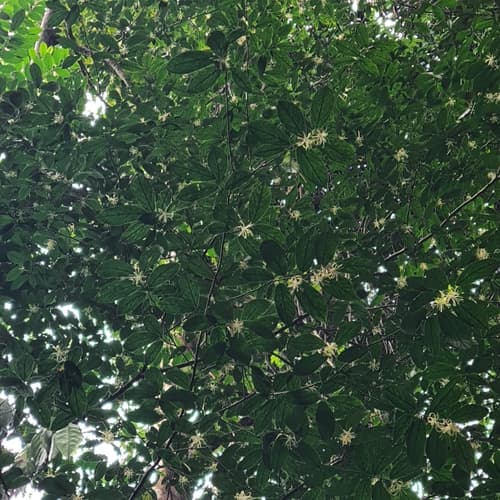
Winged Elm is a medium-sized deciduous tree characterized by its distinctive corky 'wings' that develop on young branches. Its leaves are simple, alternate, and doubly serrated, typically dark green and somewhat rough to the touch.