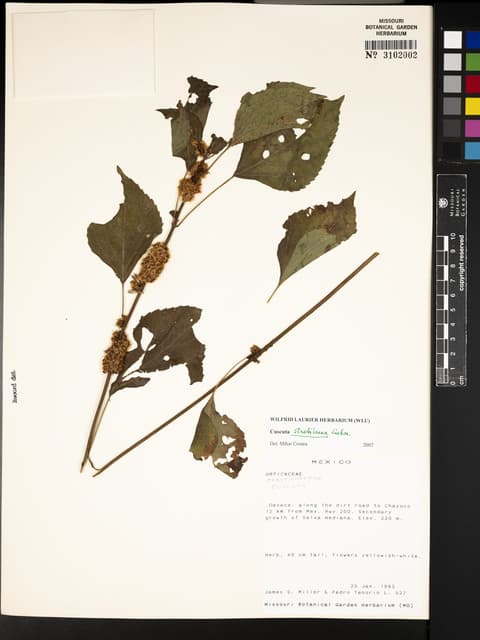
Fluttering Elm
NameFluttering Elm
Scientific NameUlmus rubra
Common NamesSlippery Elm, Red Elm, Moose Elm, Indian Elm, Sweet Elm, Fluttering Elm
Plant FamilyUlmaceae
Natural HabitatNative to eastern and central North America, growing in moist woodlands, rich soils, stream banks, and slopes. It thrives in full sun to partial shade.
Parts Usedbark
Medicinal Actionsdemulcent, anti-inflammatory
Traditional UsesTraditionally, the inner bark of Slippery Elm has been used to soothe inflamed mucous membranes throughout the body, including the digestive tract (for conditions like gastritis, ulcers, IBS) and respiratory system (for coughs, sore throats, bronchitis). It was also applied externally as a poultice for wounds, burns, and skin irritations.
Active ConstituentsMucilage (polysaccharides), tannins, phytosterols, calcium, vitamin E
Preparation Methodsinfusion, decoction, powder, poultice
Contraindications & WarningsGenerally considered safe. May slow the absorption of other medications if taken concurrently due to its mucilage content; advise taking separately by several hours. Rare allergic reactions may occur.
Cultivation NotesPrefers rich, moist, well-drained soils and full sun to partial shade. Propagated by seed or cuttings. Susceptible to Dutch Elm Disease, which has severely impacted populations.
Rarityuncommon
Description
A medium-sized deciduous tree native to eastern North America, characterized by its rough, dark bark and distinctive mucilaginous inner bark. Its leaves are alternate, simple, ovate to obovate, with doubly serrated margins and an asymmetrical base. The tree produces disc-shaped samaras, which are winged seeds that 'flutter' in the wind.