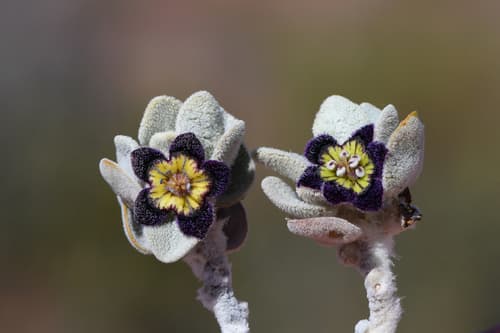
Felted Anthotroche
NameFelted Anthotroche
Scientific NameAnthotroche pannosa
Common NamesFelted Anthotroche
Plant FamilySolanaceae
Natural HabitatEndemic to Western Australia, typically found in arid and semi-arid regions, often growing in sandy or gravelly soils in open woodlands and shrublands.
Parts Usedleaf,flower
Medicinal Actionsantioxidant, antimicrobial
Traditional UsesSpecific traditional medicinal uses for *Anthotroche pannosa* are not widely documented in general ethnobotanical literature. As a member of the Solanaceae family, some related species are known for their alkaloid content and have been used in traditional medicine, but direct evidence for this particular species is lacking.
Active ConstituentsAlkaloids
Preparation Methodsinfusion, powder
Contraindications & WarningsAs a member of the Solanaceae family, *Anthotroche pannosa* may contain potent alkaloids, some of which can be toxic. Specific contraindications and safe dosages are unknown due to a lack of scientific research and documented traditional use. It should be approached with extreme caution and is not recommended for internal use without expert guidance.
Cultivation NotesRequires well-drained, sandy or gravelly soils and full sun exposure. It is adapted to arid conditions and is likely drought-tolerant once established. Propagation is typically from seed or cuttings, but cultivation outside its native range is uncommon.
Rarityuncommon
Description
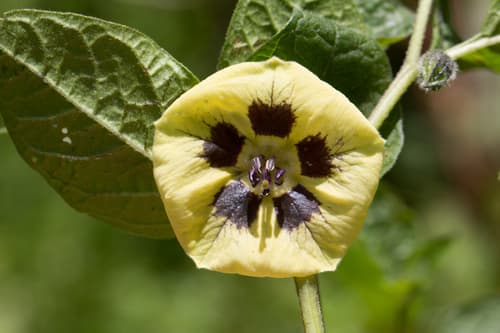
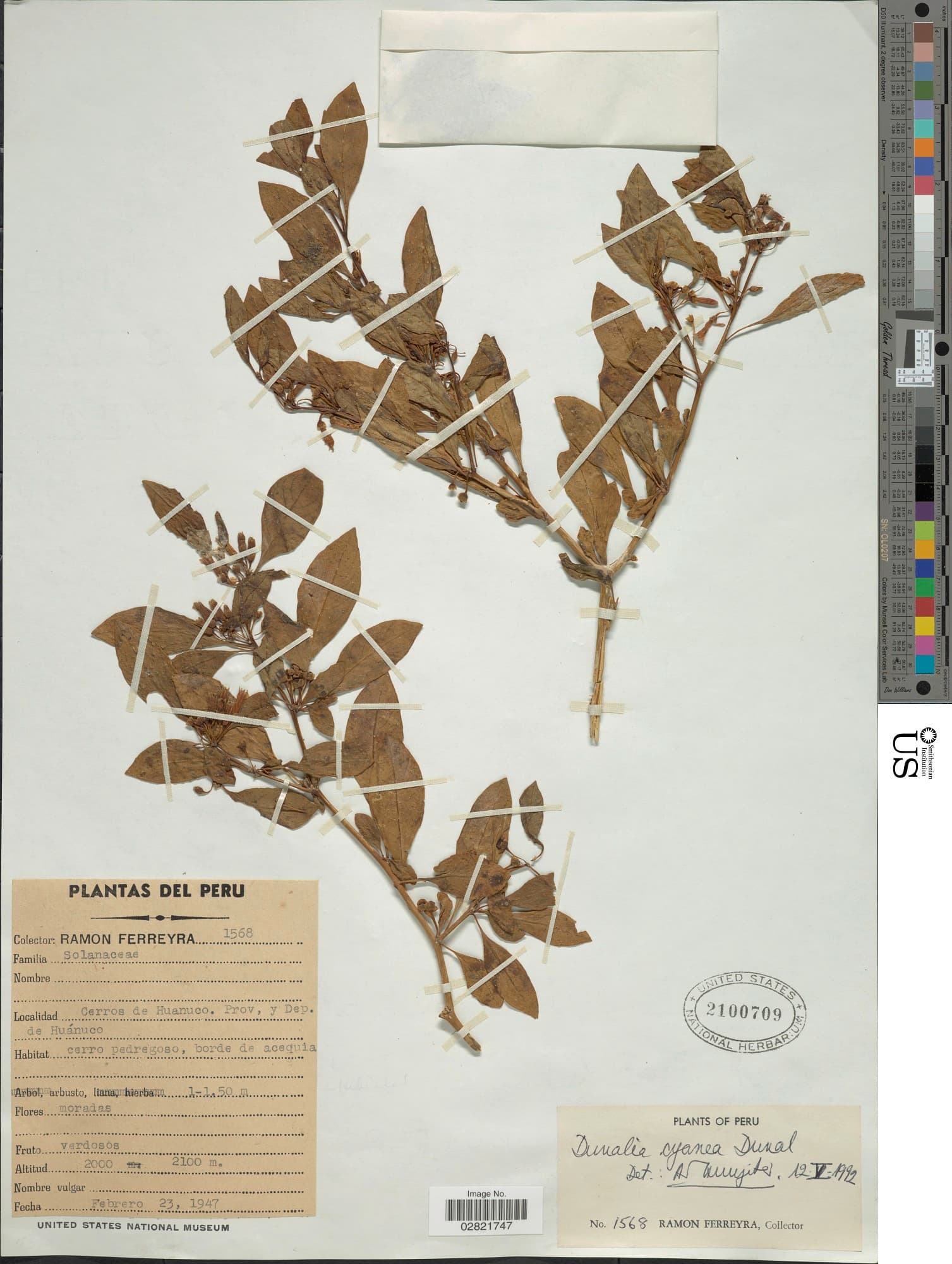
A distinctive small shrub characterized by its dense covering of white, felt-like hairs on its stems and leaves, giving it a soft, woolly appearance. It produces small, star-shaped flowers with five dark purple to black petals and a contrasting bright yellow-green center, emerging from the axils of the felted leaves.