Ephedra
NameEphedra
Scientific NameEphedra sinica
Common NamesEphedra, Mongolian Ephedra, Ma Huang, Chinese Ephedra
Plant FamilyEphedraceae
Natural HabitatArid and semi-arid regions, deserts, rocky slopes, and grasslands, particularly in temperate zones of Asia, including northern China and Mongolia.
Parts Usedwhole_plant
Medicinal Actionsdiuretic, expectorant
Traditional UsesTraditionally used in Chinese medicine (Ma Huang) for treating respiratory conditions like asthma, bronchitis, colds, and nasal congestion due to its bronchodilator and decongestant effects. It was also used to increase energy, promote sweating, and for weight loss.
Active ConstituentsEphedrine, Pseudoephedrine, Norephedrine, Methylephedrine
Preparation Methodsinfusion, decoction, tincture, powder
Contraindications & WarningsContraindicated in individuals with high blood pressure, heart conditions, anxiety, insomnia, glaucoma, prostate enlargement, thyroid disease, and diabetes. It should not be used during pregnancy or breastfeeding, and can interact with MAO inhibitors, stimulants, and certain antidepressants.
Cultivation NotesPrefers full sun and well-drained, sandy or rocky soil. It is drought-tolerant once established and thrives in dry climates. Propagated by seed or cuttings.
Raritycommon
Description
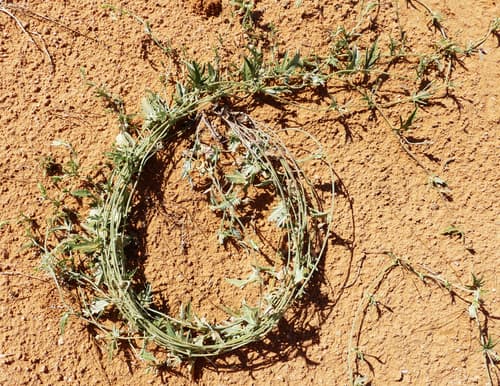
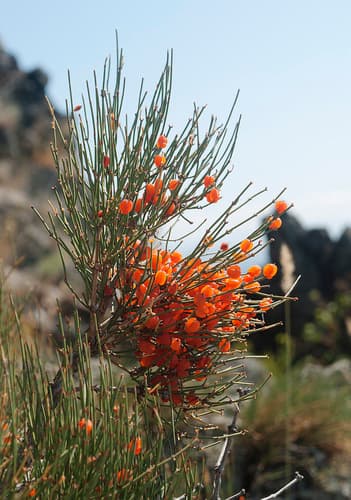
Ephedra is a shrub-like plant characterized by numerous slender, jointed, green stems that perform photosynthesis, as its leaves are reduced to small scales. It produces small, bright orange-red, berry-like cones (strobili) containing seeds. This gymnosperm is well-adapted to arid environments.