White Horehound
Image: carolinenelson (cc-by-nc)
NameWhite Horehound
Scientific NameMarrubium vulgare
Common NamesWhite Horehound, Horehound, Common Horehound
Plant FamilyLamiaceae
Natural HabitatNative to Europe, North Africa, and Asia, White Horehound thrives in dry, disturbed soils, often found in pastures, roadsides, waste areas, and fields. It is a resilient plant that tolerates poor soil conditions and full sun.
Parts Usedleaf,flower
Medicinal Actionsexpectorant, anti-inflammatory, antimicrobial, carminative, diuretic
Traditional UsesTraditionally, White Horehound has been widely used for respiratory ailments such as coughs, colds, bronchitis, and asthma, acting as an expectorant to help clear mucus. It is also employed as a bitter tonic to stimulate digestion and appetite, and for its mild diuretic properties.
Active ConstituentsMarrubiin, flavonoids, volatile oils, tannins, alkaloids
Preparation Methodsinfusion, decoction, tincture, powder
Contraindications & WarningsAvoid during pregnancy and lactation. Large doses may cause gastrointestinal upset or act as a purgative. Use with caution in individuals with gallstones or those taking blood pressure or diabetes medications, as it may interact.
Cultivation NotesWhite Horehound is easy to cultivate, preferring full sun and well-drained, even poor, soil. It is drought-tolerant once established and can be propagated by seed or division. It can be invasive in some regions.
Raritycommon
Description
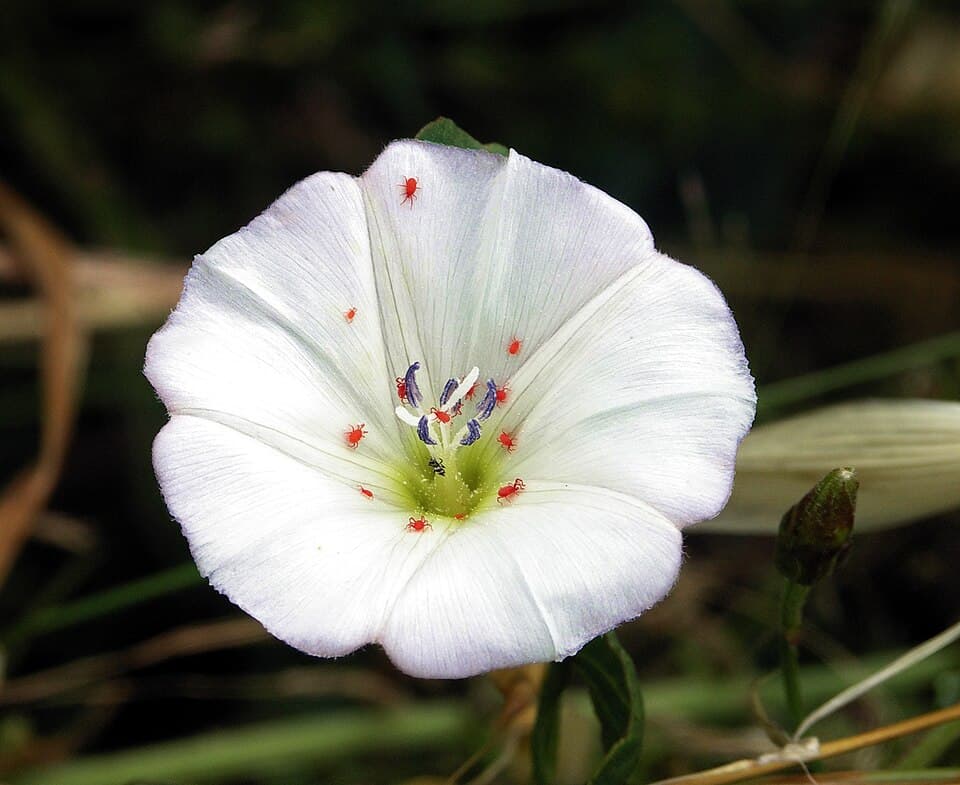
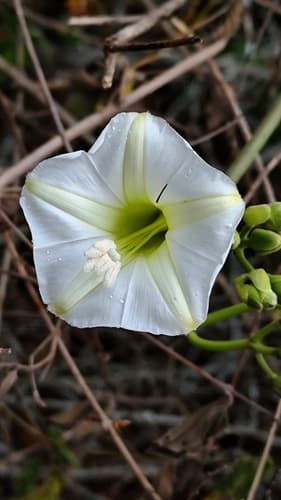
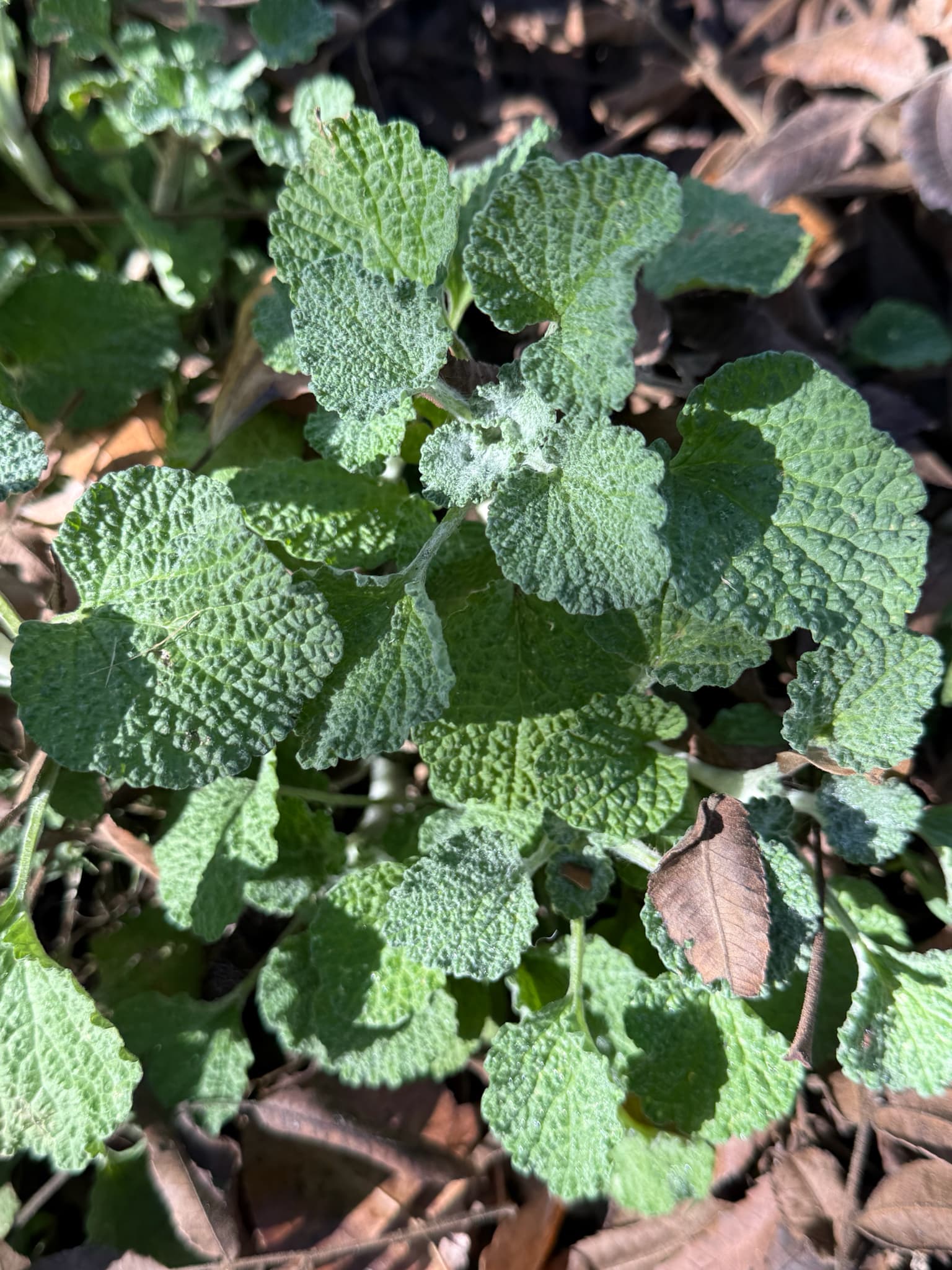
White Horehound is a perennial herbaceous plant characterized by its square, woolly stems and wrinkled, ovate, opposite leaves covered in fine white hairs, giving them a frosted appearance. It typically grows to about 45-60 cm tall and produces small, white, two-lipped flowers in whorls in the leaf axils.