Dwarf Tamarillo
NameDwarf Tamarillo
Scientific NameSolanum abutiloides
Common NamesDwarf Tamarillo, Brazilian Tomato Tree, Abutilon-leaved Nightshade
Plant FamilySolanaceae
Natural HabitatNative to South America, particularly Bolivia and Argentina, where it grows in subtropical and tropical regions, often found in disturbed areas, forest margins, and along roadsides.
Parts Usedfruit
Medicinal Actionsantioxidant
Traditional UsesPrimarily cultivated for its edible fruit, which is consumed fresh or used in jams, desserts, and sauces, valued for its sweet-tart flavor and nutritional content. Traditionally, the fruit contributes to general well-being due to its rich vitamin and antioxidant profile.
Active ConstituentsVitamin C, Vitamin A, Carotenoids, Minerals
Preparation Methodsinfusion, powder
Contraindications & WarningsUnripe fruits of Solanum species can contain solanine, which is toxic; only ripe fruits should be consumed. Individuals with allergies to the Solanaceae family should exercise caution.
Cultivation NotesPrefers full sun to partial shade and well-drained soil. It is relatively easy to grow in warm climates, tolerating a range of soil types and showing good drought resistance once established. Can be grown in containers.
Rarityuncommon
Description
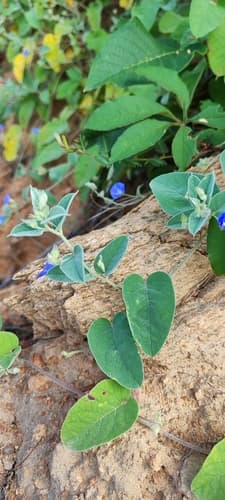
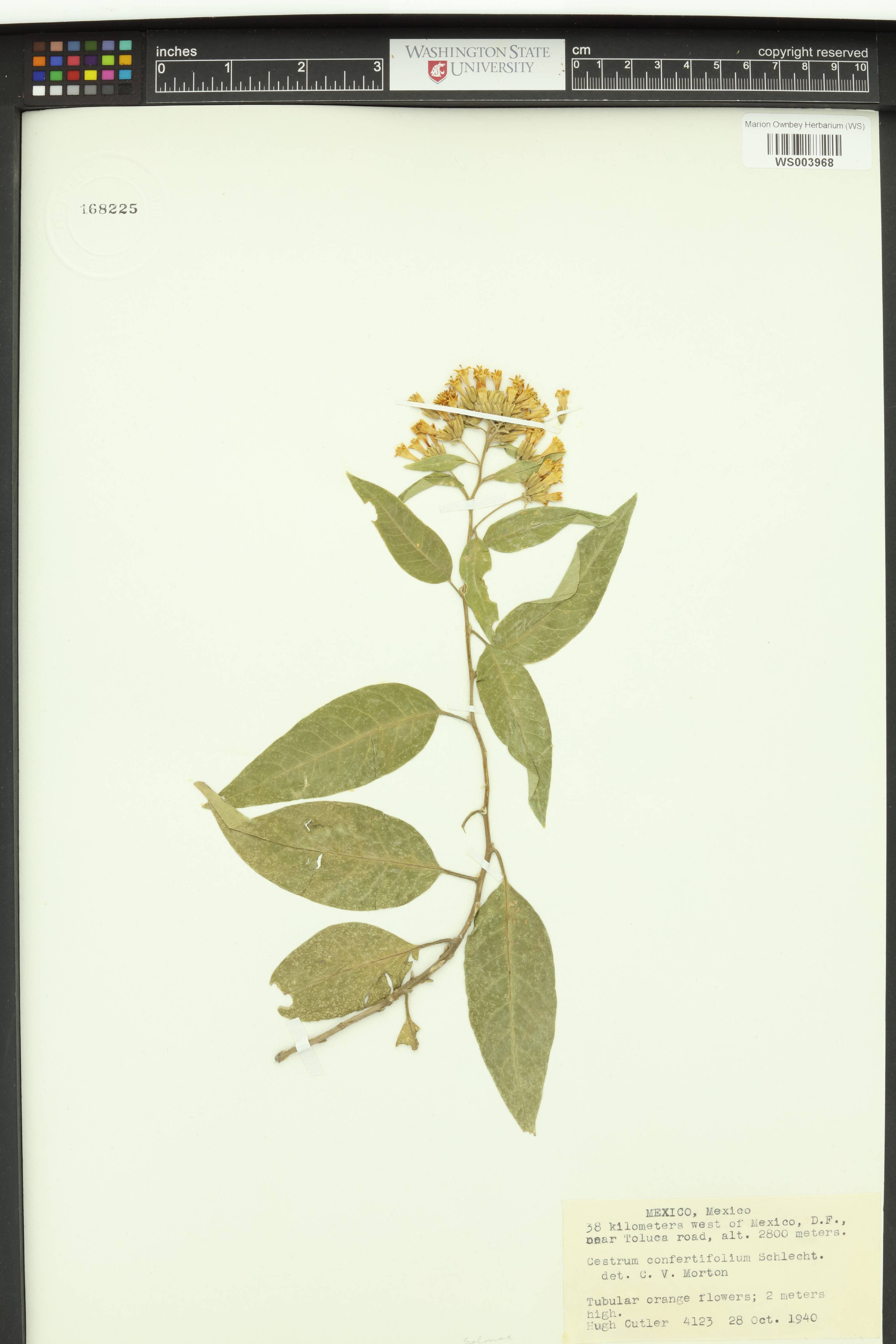
A small, fast-growing shrub characterized by large, velvety, heart-shaped leaves and clusters of small, round, fuzzy fruits that ripen from green to a vibrant orange-yellow. The fruits are borne in profusion, often resembling small tomatoes.