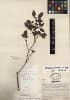
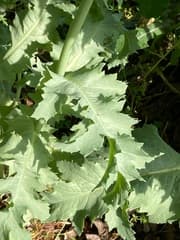
Dune Nightshade
NameDune Nightshade
Scientific NameSolanum houstonii
Common NamesDune Nightshade, Houston's Nightshade
Plant FamilySolanaceae
Natural HabitatCoastal dunes, sandy soils, chaparral, and disturbed areas, primarily in California and Baja California.
Parts Usedwhole_plant
Medicinal Actionsanalgesic, anti-inflammatory
Traditional UsesDue to its high toxicity, Dune Nightshade is not traditionally used internally. Some closely related *Solanum* species have been historically applied externally as poultices for pain relief, sores, and inflammation, but this plant should be handled with extreme caution and is not recommended for self-medication.
Active Constituentssteroidal glycoalkaloids (e.g., solanine, solamargine)
Preparation Methodspoultice, salve
Contraindications & WarningsALL parts of the plant are highly toxic if ingested, causing severe gastrointestinal distress, neurological symptoms, and potentially death. Avoid internal use entirely. Not for use by pregnant or lactating individuals, children, or those with liver or kidney conditions. External use should also be approached with extreme caution due to potential skin irritation or absorption, and is not generally recommended.
Cultivation NotesPrefers full sun and well-drained, sandy soils. It is drought-tolerant once established and can be propagated by seed or cuttings. Handle with gloves due to toxicity.
Raritycommon
Description
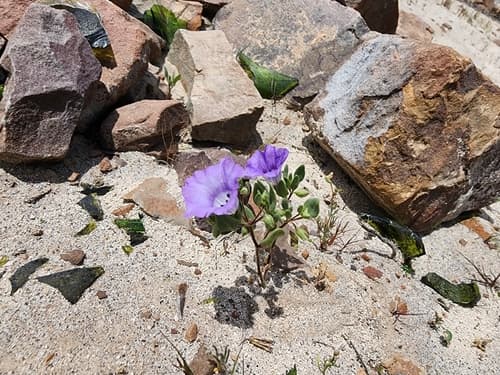
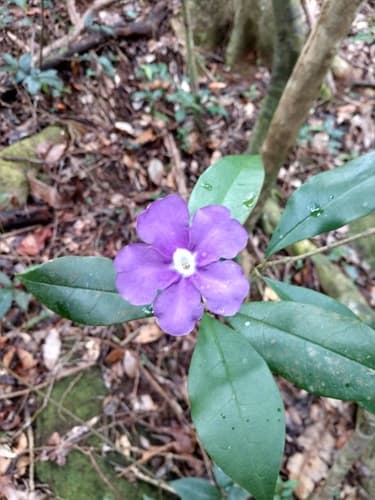
A perennial shrub or subshrub native to coastal and sandy regions. It features clusters of star-shaped flowers with five pale lavender to white petals and prominent yellow anthers. The leaves are simple and often somewhat ovate.