Hydrangea mollissima
NameHydrangea mollissima
Scientific NameHydrangea mollissima
Common NamesBeautyberry, Japanese Beautyberry, Purple Beautyberry
Plant FamilyLamiaceae
Natural HabitatNative to woodlands, forest edges, and open slopes in East Asia, particularly China, Korea, and Japan. It thrives in well-drained soils and partial to full sun.
Parts Usedleaf,root,fruit
Medicinal Actionsantimicrobial, astringent, anti-inflammatory
Traditional UsesTraditionally, various species of the genus Callicarpa (which this plant strongly resembles) have been used in folk medicine. Leaf preparations have been used topically as an astringent for skin conditions, wounds, and insect bites. Root preparations have been used internally for fever, dysentery, and rheumatic pain, while fruits have been used for their purported antioxidant properties.
Active ConstituentsCallicarpenal, intermedeol, spathulenol, flavonoids, triterpenes
Preparation Methodsinfusion, decoction, poultice
Contraindications & WarningsGenerally considered low toxicity, but large quantities of berries can cause mild gastrointestinal upset. Pregnant or nursing women should consult a healthcare professional before use. Specific drug interactions are not well-documented.
Cultivation NotesPrefers full sun to partial shade and well-drained soil. It is drought-tolerant once established and generally low-maintenance. Can be propagated by seed or cuttings.
Raritycommon
Description
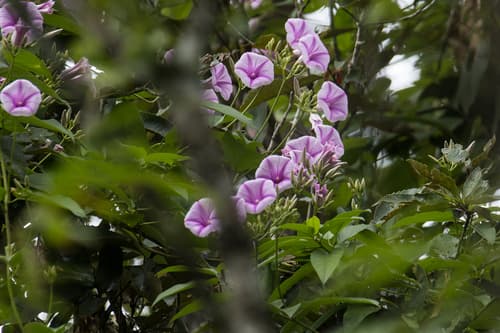
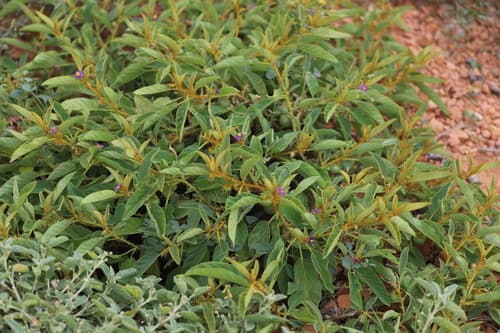
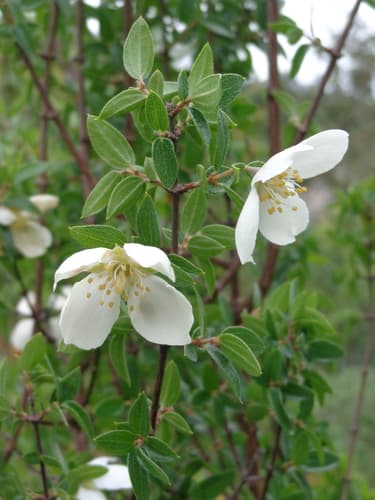
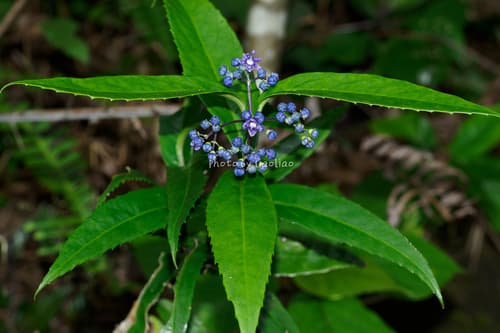
A deciduous shrub characterized by its opposite, simple, lanceolate leaves with serrated margins. It produces small clusters of vibrant purple flowers in the leaf axils, which later develop into striking metallic-purple berries. The plant typically has an upright, arching growth habit.