Solanum lanzae
NameSolanum lanzae
Scientific NameSolanum lanzae
Plant FamilySolanaceae
Natural HabitatNative to parts of South America, it is often found in disturbed areas, forest edges, and open woodlands.
Parts Usedleaf,flower
Traditional UsesSpecific traditional medicinal uses for Solanum lanzae are not widely documented in ethnobotanical literature. Many species within the Solanum genus are known for containing toxic compounds, and their use in traditional medicine is often highly localized and requires expert knowledge to avoid adverse effects.
Active Constituentssteroidal glycoalkaloids, alkaloids, flavonoids
Contraindications & WarningsAs with many species in the Solanum genus, Solanum lanzae is presumed to contain toxic steroidal glycoalkaloids. All parts of the plant, especially unripe fruits (if present), should be considered potentially poisonous if ingested. Internal use is strongly discouraged due to potential severe toxicity, including gastrointestinal distress, neurological effects, and cardiac issues. Avoid use by pregnant or lactating individuals, children, and those with liver or kidney conditions.
Cultivation NotesSolanum lanzae generally prefers full sun to partial shade and well-drained soil. It can be propagated from seeds or cuttings. It is relatively adaptable but not commonly cultivated outside its native range or botanical collections.
Rarityuncommon
Description
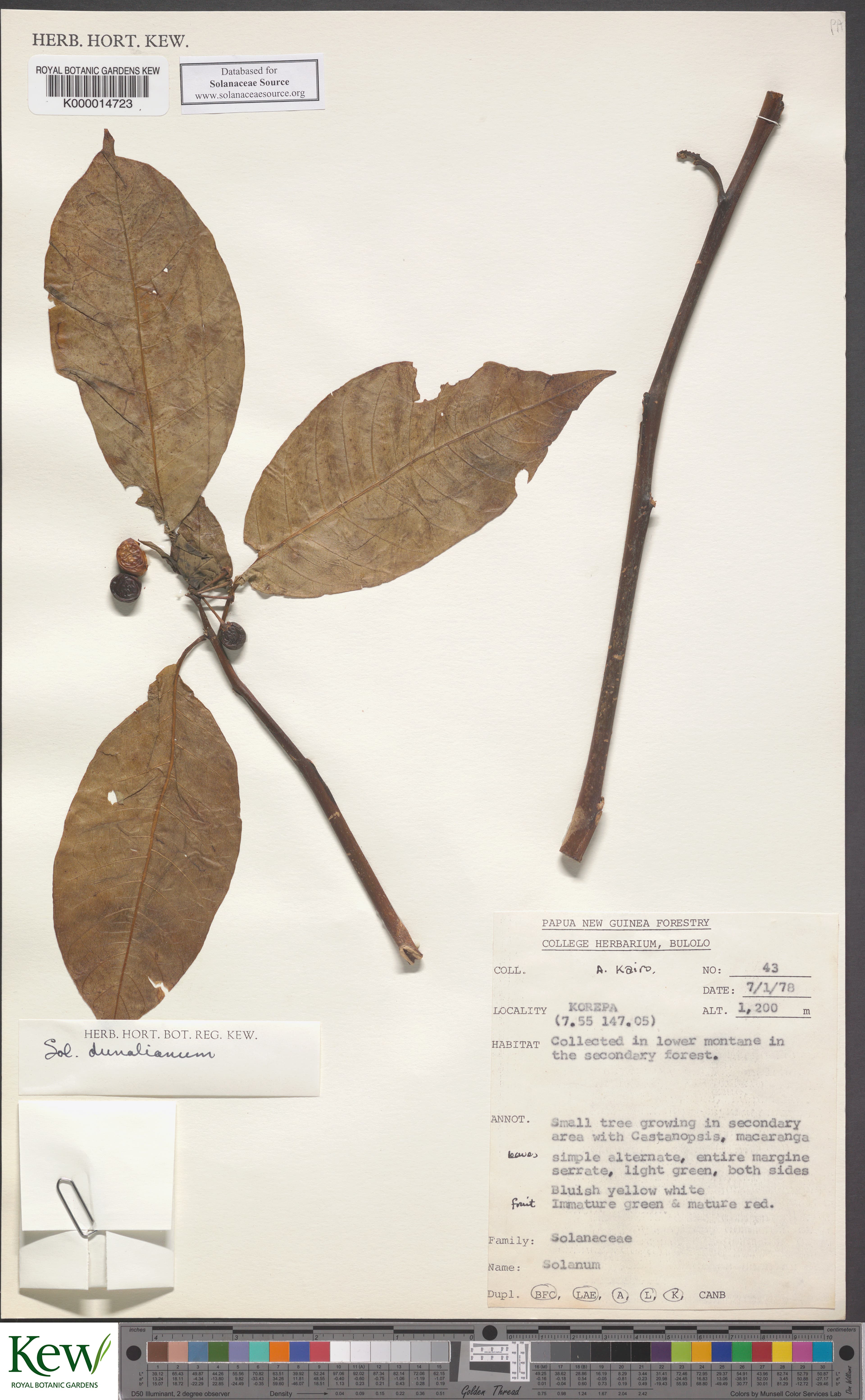
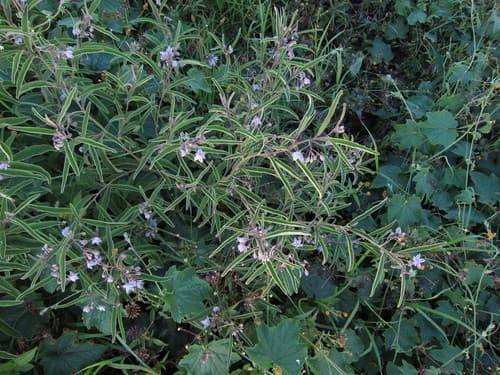
Solanum lanzae is a species of nightshade, typically growing as a shrub or small tree. It features elongated, lanceolate leaves that can be pubescent, and produces characteristic star-shaped flowers, often pale purple to white with prominent yellow anthers.