Desert Plum
NameDesert Plum
Scientific NameCondalia globosa
Common NamesDesert Plum, Bitter Condalia
Plant FamilyRhamnaceae
Natural HabitatNative to arid and semi-arid regions of southwestern North America, including the Sonoran and Mojave Deserts. It thrives in rocky slopes, washes, and dry plains.
Parts Usedfruit,bark
Medicinal Actionsantioxidant
Traditional UsesThe ripe fruit is traditionally consumed as food by indigenous peoples, such as the Seri and Tohono O'odham, eaten fresh or dried. Some indigenous groups have also used the bark for unspecified medicinal purposes, possibly for general ailments or fevers.
Active ConstituentsAnthocyanins, Flavonoids
Preparation Methodspowder, decoction
Contraindications & WarningsGenerally considered safe when consuming ripe fruit. No widely documented contraindications or drug interactions for medicinal use due to limited widespread application.
Cultivation NotesA drought-tolerant plant that prefers full sun and well-drained, rocky or sandy soils. It is slow-growing and requires minimal water once established, typically propagated by seed.
Raritycommon
Description
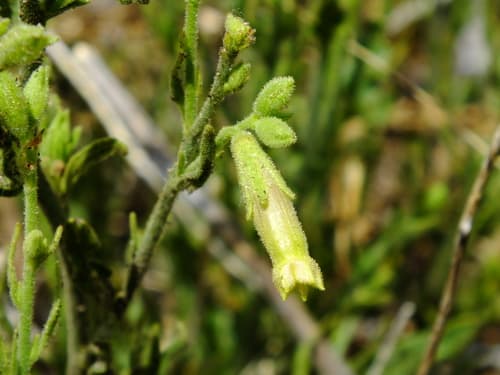
Condalia globosa is a thorny, deciduous shrub or small tree native to arid regions. It produces small, inconspicuous greenish-white flowers, followed by edible, dark purple, plum-like fruits. The plant is characterized by its stiff, often spiny branches and small, oval leaves.