Datura reburra
NameDatura reburra
Scientific NameDatura reburra
Common NamesSacred Datura, Southwestern Thornapple, Hairy Datura
Plant FamilySolanaceae
Natural HabitatNative to arid and semi-arid regions, it is commonly found in disturbed soils, roadsides, washes, and open fields across the southwestern United States and northern Mexico.
Parts Usedleaf,flower,seed
Medicinal Actionsanalgesic, sedative
Traditional UsesHistorically, Datura reburra (and closely related species) was used by indigenous peoples for its potent psychoactive and analgesic properties in spiritual rituals, pain relief, and as an anesthetic for setting broken bones. Due to its extreme toxicity, internal use was highly dangerous and often fatal, with external applications being more common for localized pain.
Active Constituentsscopolamine, atropine, hyoscyamine
Preparation Methodsinfusion, poultice, powder
Contraindications & WarningsEXTREMELY TOXIC. All parts of the plant are poisonous. Ingestion can cause severe anticholinergic poisoning, leading to hallucinations, delirium, tachycardia, hyperthermia, dry mouth, dilated pupils, coma, and death. Not safe for internal use. Avoid contact with eyes. Not for use by pregnant or nursing women, children, or individuals with heart conditions, glaucoma, or prostate enlargement. Interacts with anticholinergic drugs, antihistamines, antidepressants, and other central nervous system depressants.
Cultivation NotesDatura reburra thrives in full sun and well-drained soil, showing high drought tolerance once established. It can be propagated from seed and typically grows as a warm-season annual or short-lived perennial depending on the climate.
Raritycommon
Description
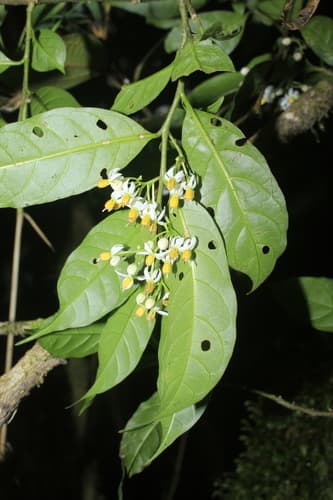
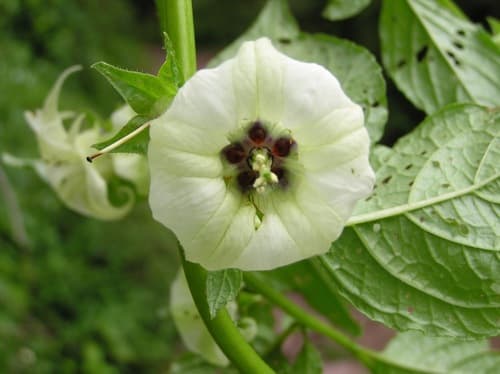
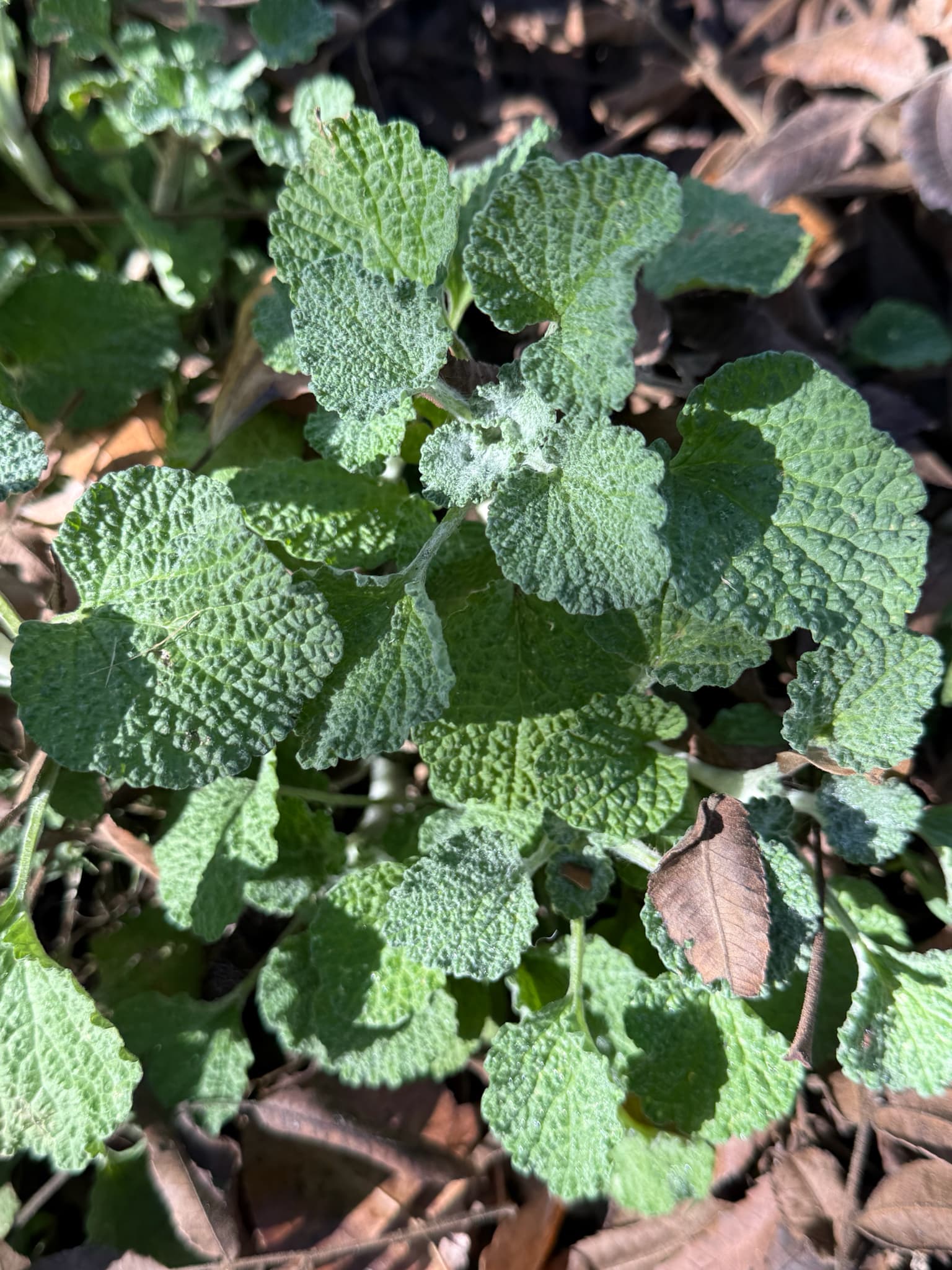
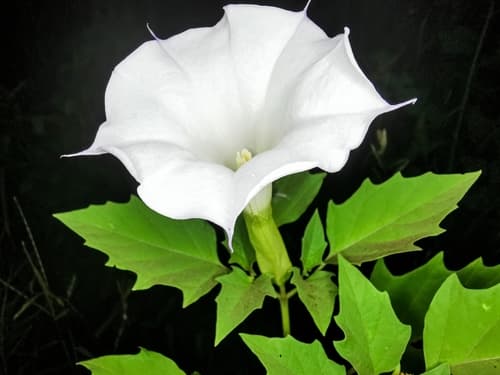
Datura reburra is an herbaceous perennial plant characterized by large, showy, trumpet-shaped white flowers that typically open at night. Its leaves are ovate to broadly lanceolate with wavy or toothed margins, and the entire plant can be covered in fine hairs.