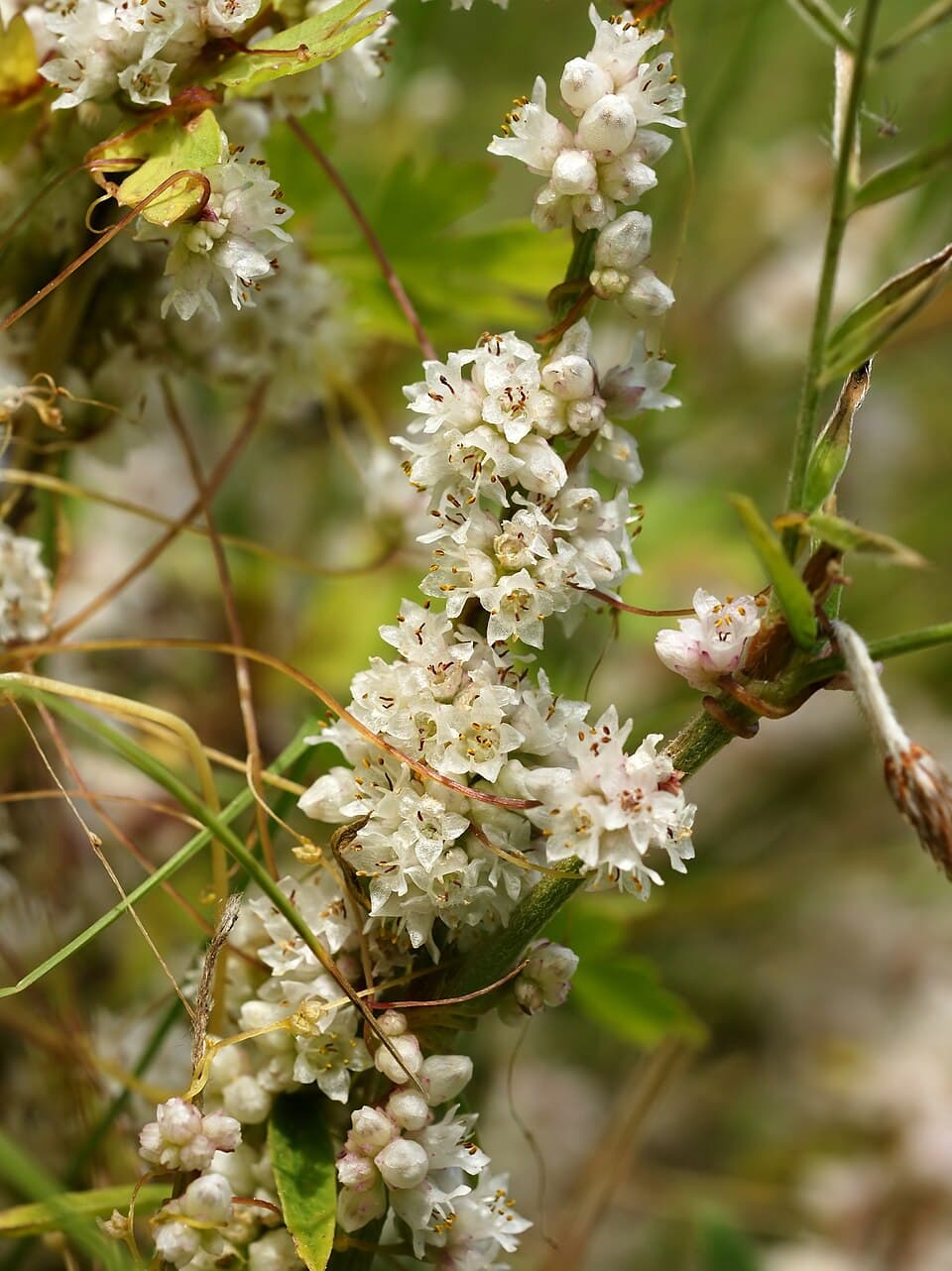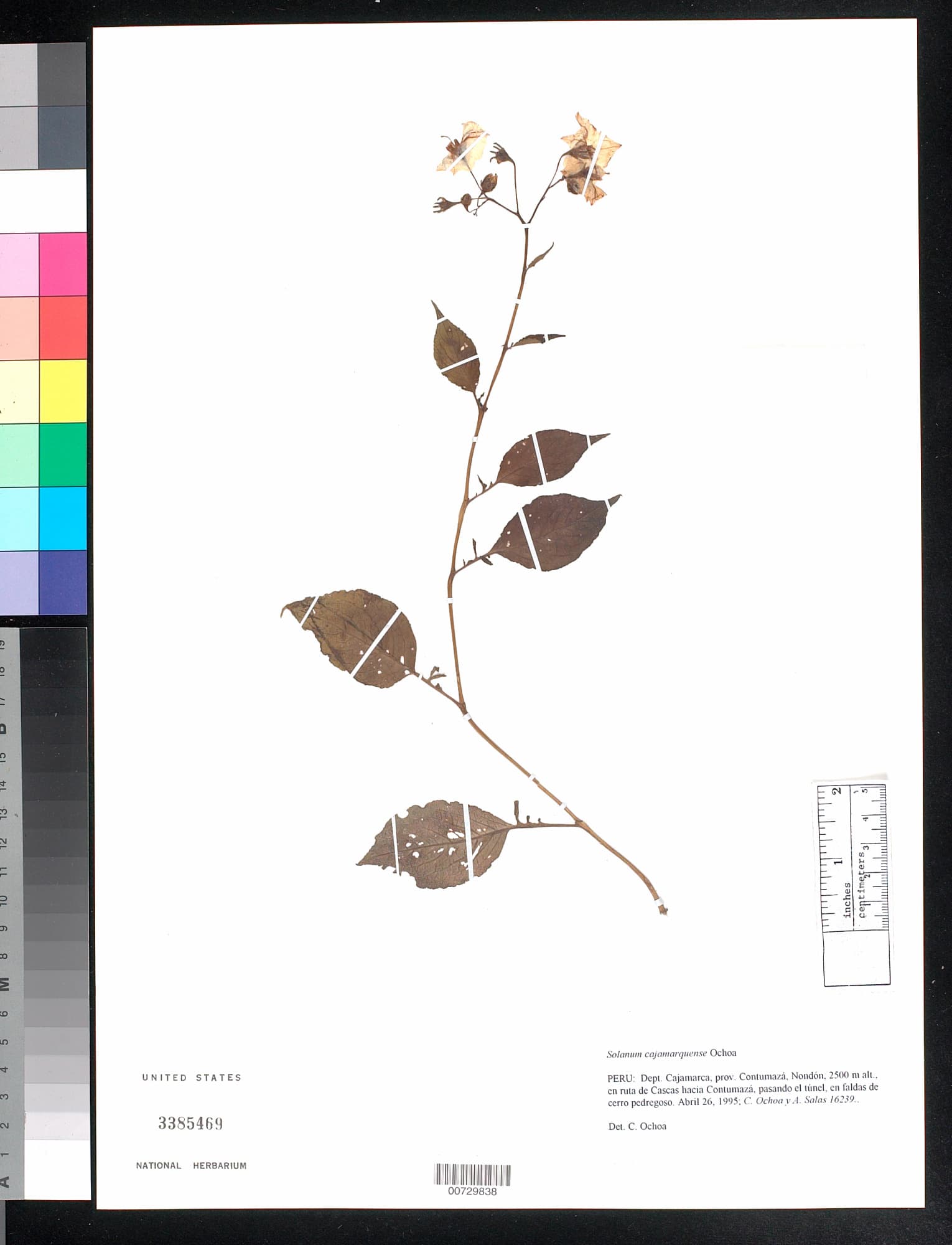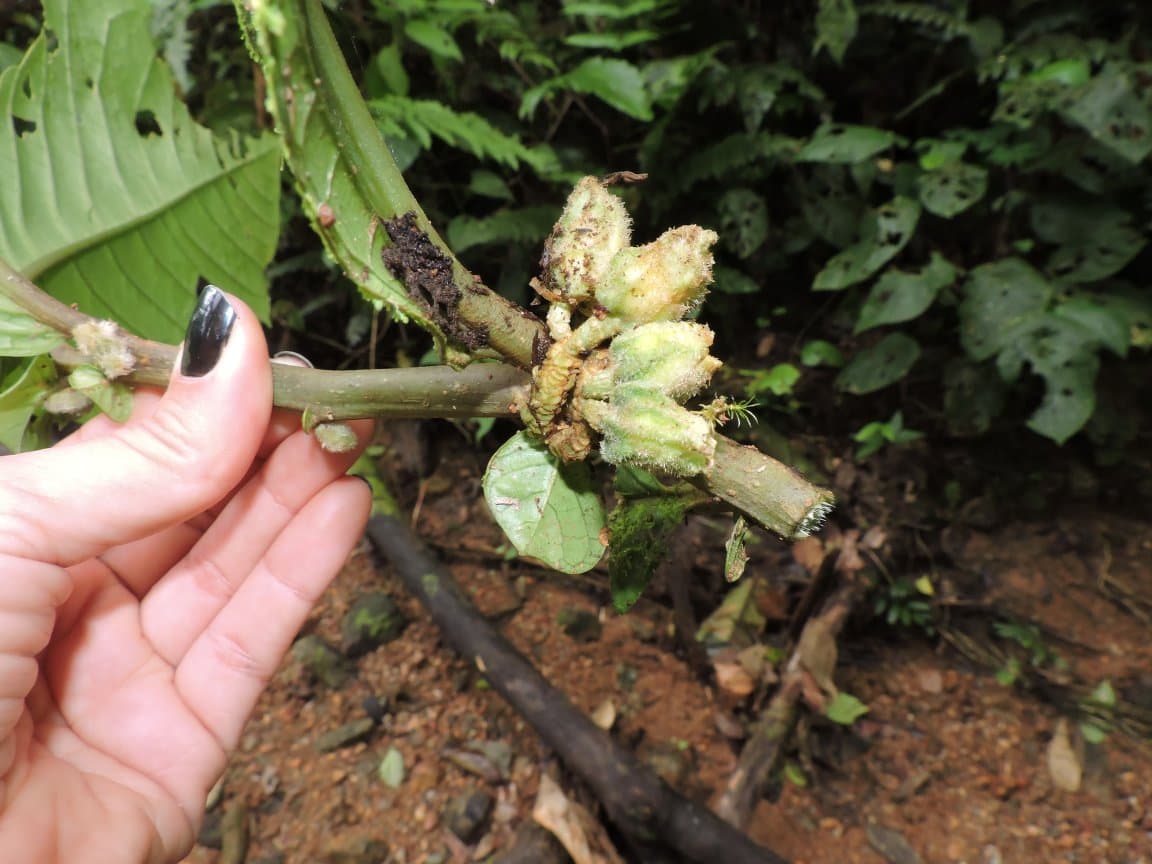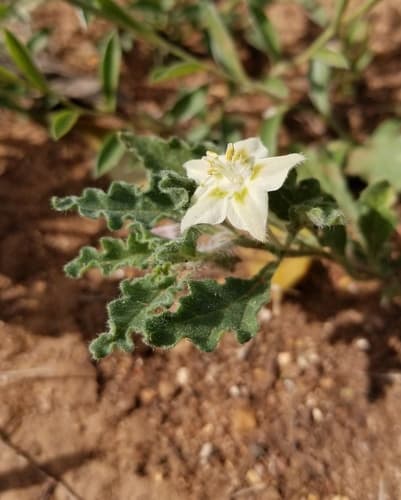
Darcy's five-eyes
NameDarcy's five-eyes
Scientific NameSolanum elaeagnifolium
Common NamesSilverleaf Nightshade, Silverleaf Nettles, White Horse Nettle, Trompillo
Plant FamilySolanaceae
Natural HabitatNative to the Americas, it thrives in disturbed soils, pastures, roadsides, and agricultural fields, particularly in arid and semi-arid regions. It is considered a noxious weed in many parts of the world.
Parts Usedwhole_plant
Medicinal Actionsanalgesic, anti-inflammatory
Traditional UsesTraditionally, some indigenous groups have used the plant externally for skin conditions, warts, and as a topical analgesic for pain, often in poultice form. The berries have been used in cheesemaking to curdle milk due to enzymes, but internal medicinal use is generally avoided due to high toxicity.
Active ConstituentsSolasodine, Solanine, Solasonine
Preparation Methodspoultice
Contraindications & WarningsHighly toxic if ingested. Contains steroidal glycoalkaloids (solanine) which can cause severe gastrointestinal upset, neurological symptoms, and even death. Avoid internal consumption. Use with extreme caution externally, as skin irritation can occur. Pregnant and breastfeeding women should avoid.
Cultivation NotesConsidered a noxious weed in many regions, it is generally not cultivated intentionally. It is highly adaptable, drought-tolerant, and spreads aggressively via rhizomes and seeds. Prefers disturbed soils and full sun.
Raritycommon
Description
A perennial herbaceous plant characterized by its silvery-green, star-shaped hairs covering stems and leaves. It produces distinctive white to pale lavender, star-shaped flowers with prominent yellow stamens, followed by yellow or orange berries.