Cuscuta chinensis
NameCuscuta chinensis
Scientific NameCuscuta chinensis
Common NamesDodder, Chinese Dodder, Tu Si Zi
Plant FamilyConvolvulaceae
Natural HabitatNative to East Asia, it thrives in temperate and tropical regions, parasitizing a wide range of herbaceous plants and shrubs in fields, roadsides, and disturbed areas.
Parts Usedseed,whole_plant
Medicinal Actionsadaptogen, antioxidant, anti-inflammatory
Traditional UsesIn Traditional Chinese Medicine (TCM), the seeds (Tu Si Zi) are primarily used to tonify the kidney and liver, improve vision, and support reproductive health. It is often prescribed for conditions such as impotence, premature ejaculation, frequent urination, blurred vision, and lower back pain.
Active ConstituentsFlavonoids, Lignans, Polysaccharides, Saponins
Preparation Methodsinfusion, decoction, powder
Contraindications & WarningsContraindicated in cases of excess heat, constipation, or urinary obstruction. Should be used with caution during pregnancy and lactation, and may interact with certain medications.
Cultivation NotesAs a parasitic plant, Cuscuta chinensis cannot be cultivated independently. It requires a suitable host plant to germinate and grow, attaching via haustoria to draw nutrients, and is often considered a weed in agricultural settings.
Raritycommon
Description
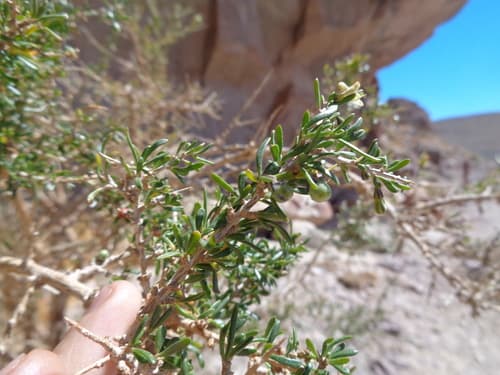
Cuscuta chinensis is a parasitic annual vine characterized by its slender, yellowish-orange, leafless stems that twine around host plants. It produces clusters of small, white to greenish-white flowers with prominent stamens, as seen in the image.