Creeping Evolvulus
NameCreeping Evolvulus
Scientific NameEvolvulus cressoides
Common NamesCreeping Evolvulus, Water Evolvulus, False Bindweed
Plant FamilyConvolvulaceae
Natural HabitatNaturally found in wet, marshy areas, ditches, pond margins, and along streams in tropical and subtropical regions of the Americas, often in sandy or muddy soils.
Parts Usedwhole_plant
Medicinal Actionsnervine, adaptogen, antioxidant
Traditional UsesWhile specific traditional medicinal uses for Evolvulus cressoides are not extensively documented, some related Evolvulus species are traditionally used for cognitive enhancement and stress reduction. It has been occasionally used as a substitute for Bacopa monnieri in some folk practices, suggesting perceived nervine and adaptogenic qualities.
Active Constituentsflavonoids, alkaloids, phenolic compounds
Preparation Methodsinfusion, powder, tincture
Contraindications & WarningsDue to limited specific research on Evolvulus cressoides, general caution is advised. No specific contraindications or drug interactions are widely known, but pregnant/nursing women and individuals on medication should consult a healthcare professional.
Cultivation NotesThis plant thrives in full sun to partial shade and requires consistently wet to moist soil conditions. It is suitable for bog gardens, pond margins, or as a groundcover in perpetually damp areas.
Raritycommon
Description
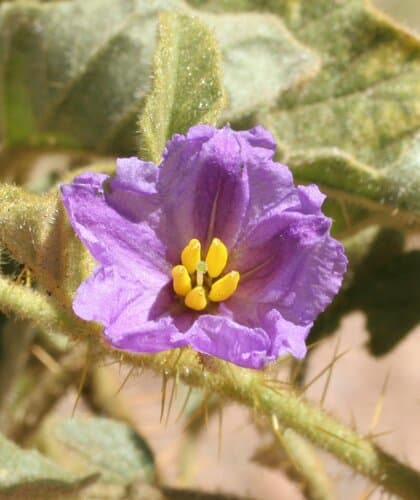
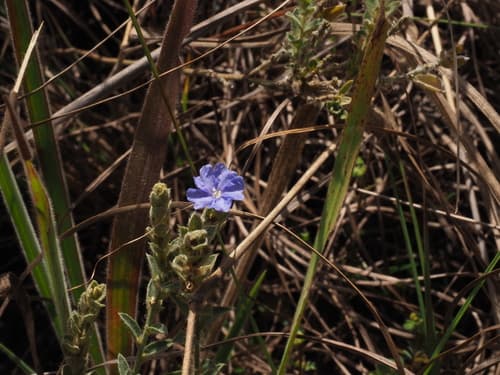
A low-growing, herbaceous perennial plant characterized by small, often hairy, alternate leaves and solitary, axillary, blue to lavender, five-petaled flowers. It typically forms a creeping or trailing mat, thriving in moist environments.