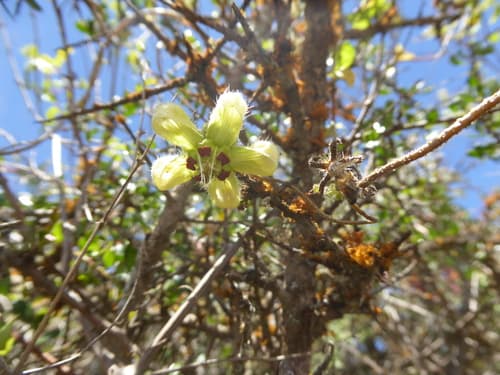
Cusp Dodder
NameCusp Dodder
Scientific NameCuscuta cuspidata
Common NamesCusp Dodder, Dodder, Love Vine
Plant FamilyConvolvulaceae
Natural HabitatThis parasitic plant is found in various habitats, including fields, disturbed areas, roadsides, and prairies, where it parasitizes a wide range of herbaceous plants for nutrients.
Parts Usedwhole_plant,seed
Medicinal Actionsantioxidant, anti-inflammatory, diuretic, adaptogen
Traditional UsesWhile *Cuscuta cuspidata* specifically has less documented traditional use than its Asian relatives (*C. chinensis*, *C. japonica*), species within the *Cuscuta* genus are traditionally used to tonify kidney yang, benefit the liver, and improve vision. They are often employed for conditions such as impotence, premature ejaculation, frequent urination, lower back pain, and blurred vision.
Active Constituentsflavonoids, lignans, polysaccharides
Preparation Methodsinfusion, decoction, powder
Contraindications & WarningsAvoid during pregnancy and in cases of yin deficiency with heat signs. Use with caution in individuals with blood stasis. Consult a healthcare professional before use.
Cultivation NotesAs a parasitic plant, Cusp Dodder cannot be cultivated in the traditional sense. It requires a host plant to grow and thrive, making it difficult to manage or propagate intentionally for medicinal purposes.
Raritycommon
Description
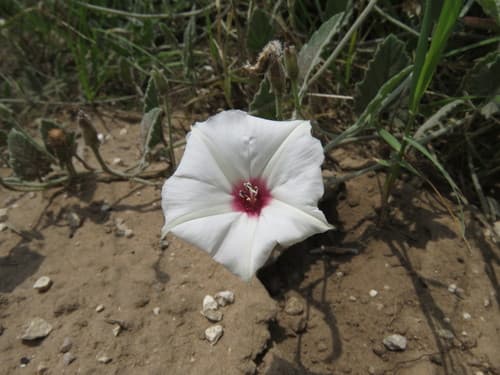
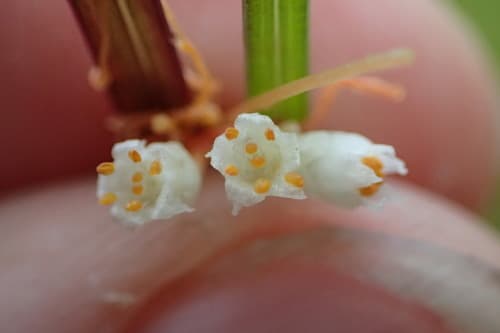
Cusp Dodder is a parasitic annual vine characterized by its thread-like, yellowish-orange stems that lack chlorophyll and twine around host plants. It produces small, white, bell-shaped flowers with prominent orange anthers in dense clusters, as seen in the image.